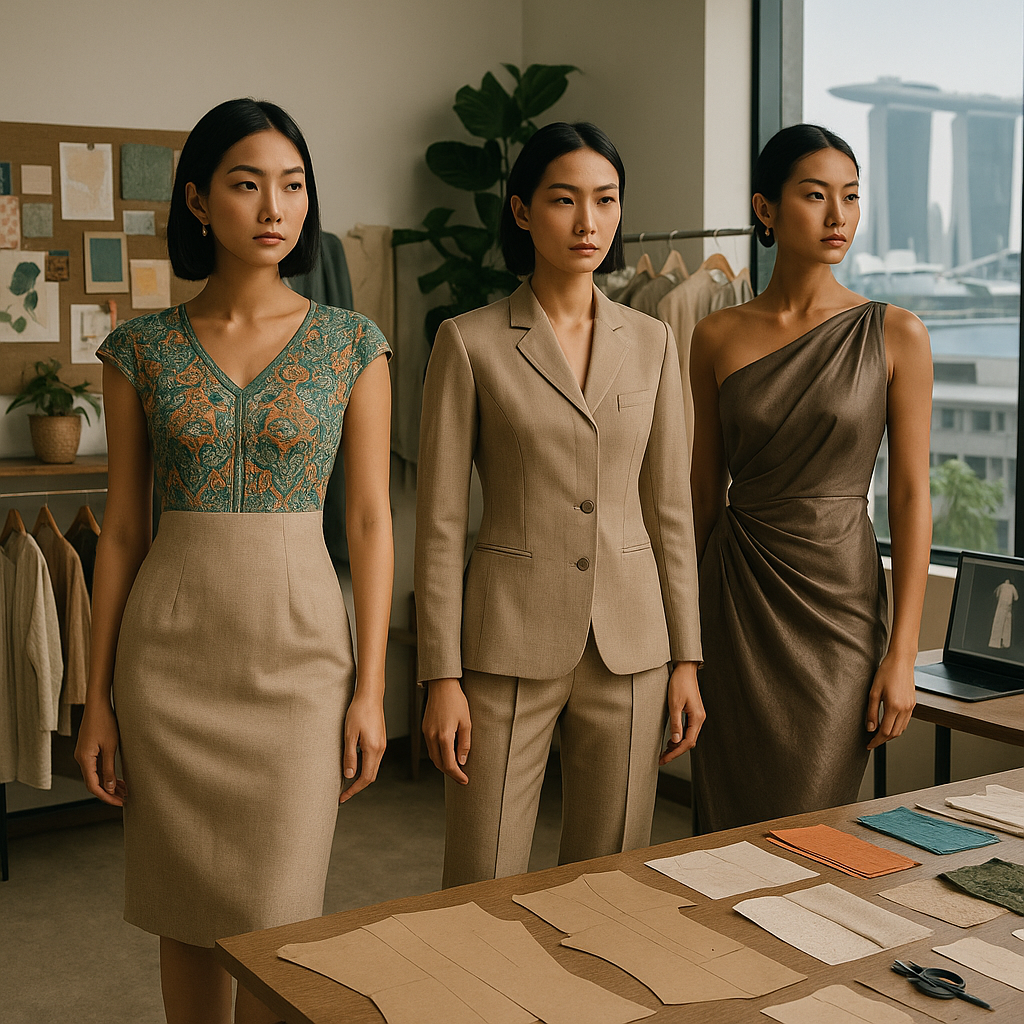
Singaporean fashion’s ascent abroad is rooted in a strategic mix of design rigor and operational savvy. Unlike traditional fashion capitals built on heavy manufacturing, Singapore refines its strengths in design, logistics, and branding. The result is agile labels that scale internationally without sacrificing quality.
Aesthetic identity is the first hook. Designers frequently fuse streamlined, city-ready shapes with Southeast Asian references. Ong Shunmugam’s structured dresses reinterpret Asian tailoring with modern ease; Lai Chan’s updated cheongsams show how heritage can feel current without nostalgia. On European runways, Andrew Gn’s embellished looks channel couture craft through a distinctly architectural lens, while Ashley Isham’s occasionwear pairs drama with control. The throughline is discipline: precise cuts, functional details, and fabrics chosen for longevity.
Education and incubation underpin this polish. LASALLE, NAFA, and industry accelerators have normalized tech-forward practices—3D sampling, digital pattern libraries, and flexible supply chains. Design Orchard, a retail-meets-incubator hub, places emerging labels in front of international shoppers and visiting buyers. The Singapore Fashion Council and trade partners steer brands into relevant showrooms, trade fairs, and B2B marketplaces, shrinking the distance between a studio collection and a global retail floor.
Sustainability is not window dressing. Local labels often favor small runs, pre-orders, and deadstock optimization, which reduces waste and improves cash flow. Regional sourcing—Indonesia for batiks, Thailand and Vietnam for specialty manufacturing—allows for craft diversity while maintaining tight quality assurance. Digital tools like CLO3D and Browzwear cut sampling rounds and align pattern accuracy across suppliers, compelling advantages when calendars are compressed.
Go-to-market strategies are pragmatic. Rather than leaping straight to expensive flagship stores, Singaporean designers target wholesale partnerships, trunk shows, and pop-ups in cities where their customer already travels—Tokyo, Shanghai, Dubai, London. Accessories and shoes travel particularly well; Charles & Keith’s global rise shows how mid-priced, design-led products can scale with crisp branding and nimble merchandising. Apparel labels build authority through editorial placements, targeted influencer seeding, and lookbooks that foreground story over trend-chasing.
Cultural diplomacy plays a quiet role. Showcases during art weeks, design festivals, and museum programs connect fashion to architecture, food, and visual culture—areas where Singapore already has global credibility. That cross-pollination opens doors to capsule lines for hotels or airlines, uniform projects, and gallery retail, which translate into steady, brand-building visibility.
Constraints—high rents, small domestic demand, limited local manufacturing—keep designers focused. Many use seasonless capsules, modular separates, and re-colored bestsellers to control SKU creep. They optimize for fit across diverse Asian body types and climates, carving out a niche in resort, modest, and urban professional wardrobes. By presenting craft with restraint and narrative clarity, Singaporean designers meet the international market at its current inflection: less hype, more substance, and a preference for pieces with staying power.
Author

Clara@gmail.com
Related Posts
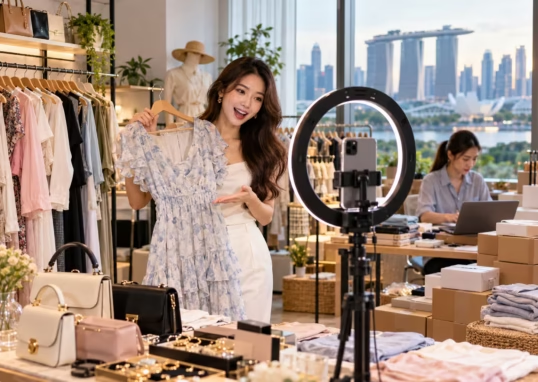
How Singapore’s Homegrown Fashion Labels Rebuilt Their Business Around Livestreaming
- 0
- 514 words
From Side Channel to Core Business Model For a growing cohort of Singaporean fashion brands, livestreaming is no longer a supplementary marketing...
Read out all
Localization as Strategy: How Singapore Fashion Brands Speak Asia’s Many Languages
- 0
- 604 words
The End of One-Size-Fits-All Expansion Singapore fashion brands expanding across Asia are discovering that regional success requires more than translated marketing. Love,...
Read out all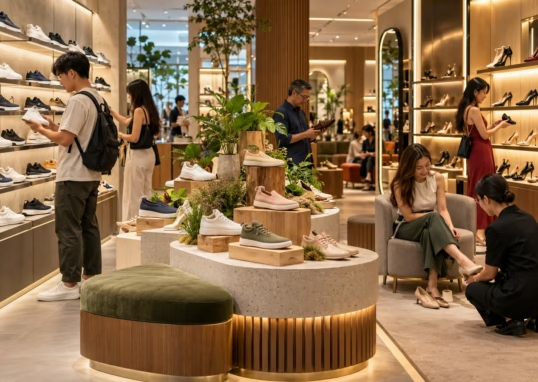
The Comfort Revolution: How Singaporean Footwear Brands Are Redefining Support, Health, and Everyday Wear
- 0
- 658 words
From Pain Point to Product Innovation: The Sunnystep Story Sometimes the most disruptive innovations emerge from the most personal struggles. Mao Ting,...
Read out all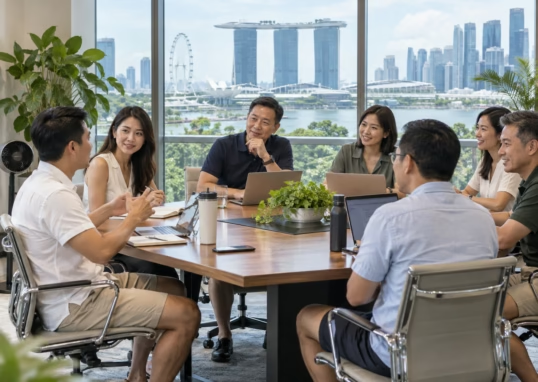
Gen Z vs. Gen X—The Generational Battle Over Singapore’s Office Dress Code
- 0
- 576 words
Two Generations, Two Definitions of Professionalism Walk into any Singapore office in 2026, and you may witness a quiet cultural collision. A...
Read out all
Korean Fashion Brands Are Betting Big on Singapore—and Winning
- 0
- 572 words
The Orchard Road Invasion Nobody Saw Coming When Shinsegae Tomboy opened standalone stores for Studio Tomboy and VOV at the METRO department...
Read out all
Blending Tradition with Tech: How Singaporean Fashion Schools Are Forging the Ultimate Hybrid Designers in 2026
- 0
- 465 words
The modern fashion designer is expected to be a polymath. They must be an artist, an engineer, a marketer, and increasingly, a...
Read out all