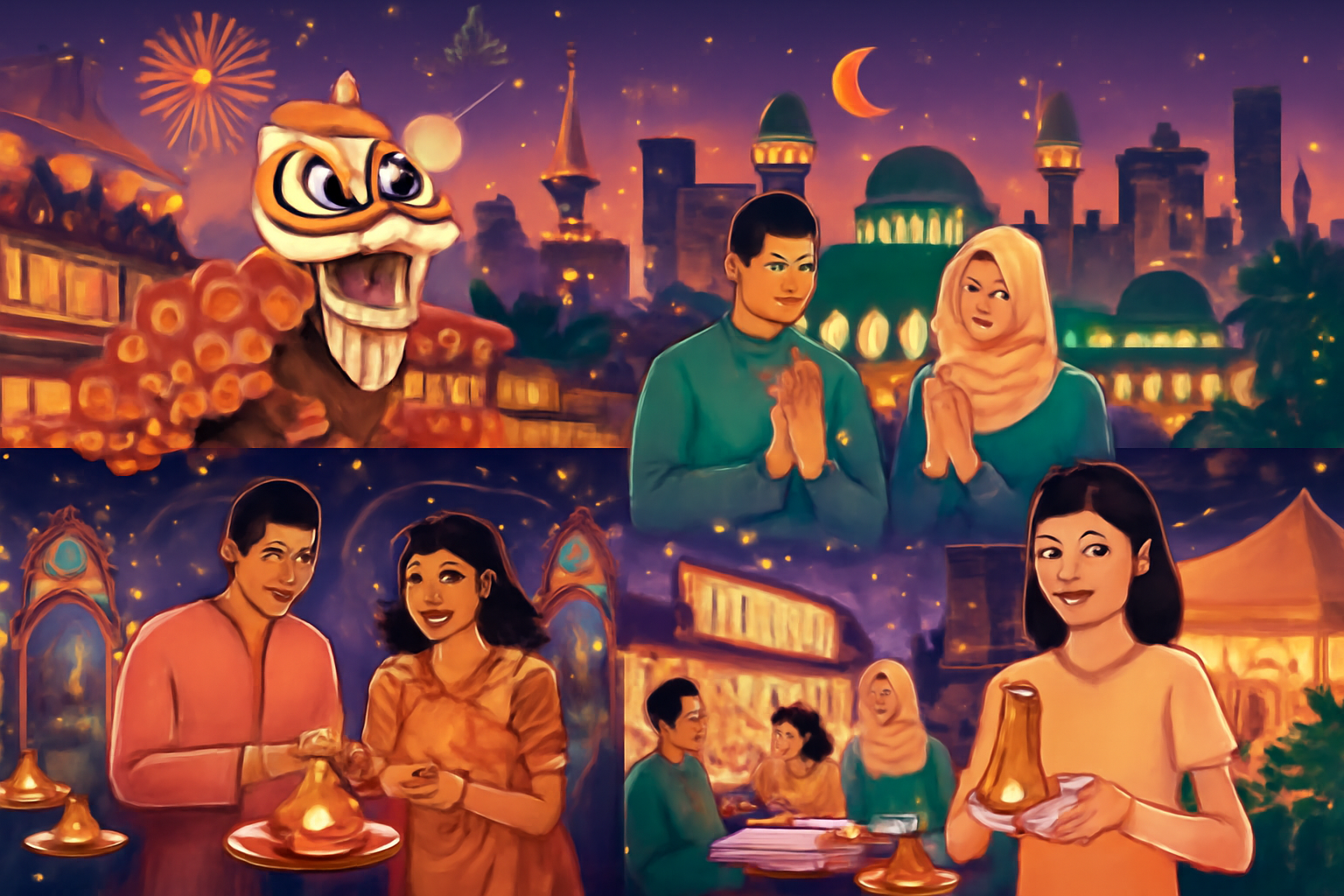
Singapore is a shining example of cultural harmony, with its population comprising various ethnicities and religions. One of the most effective ways the city-state showcases its rich diversity is through its cultural festivals, which occur throughout the year. These festivals not only provide an opportunity to celebrate each ethnic group’s traditions but also foster a sense of unity and appreciation for the differences that make Singapore unique.
A major cultural event in Singapore is Chinese New Year, which is celebrated by the local Chinese community. This festival is one of the most anticipated in the country and is characterized by elaborate decorations, traditional lion dances, and a wide array of street performances. Chinatown, the epicenter of the celebrations, comes alive with vibrant colors, lanterns, and markets selling everything from auspicious fruits to sweet treats like pineapple tarts. The festival is not just a time to welcome the new lunar year, but also an opportunity for Chinese Singaporeans to pay homage to their ancestors, reflecting the deep cultural values of respect and tradition.
Hari Raya Puasa, or Eid al-Fitr, is another important festival in Singapore, celebrated by the Muslim community. This festival marks the end of Ramadan, a month of fasting and prayer. The celebration is a joyous occasion where Muslims don new clothes, visit family and friends, and enjoy traditional Malay dishes. In Kampong Glam, the heart of the Malay-Muslim community, the streets are beautifully illuminated, and bazaars offering food, clothing, and crafts create a festive atmosphere. This festival fosters inclusivity, as people from different ethnic and religious backgrounds are invited to join in the celebrations and share in the festive spirit.
Deepavali, the Festival of Lights, is one of the most colorful celebrations in Singapore, observed by the Indian community, particularly Hindus. During Deepavali, Little India is transformed into a dazzling spectacle of lights, with streets adorned with intricate designs and colorful lanterns. Temples host prayers and rituals, and families gather to exchange gifts and share traditional sweets. The festival symbolizes the triumph of light over darkness and good over evil, embodying values that resonate with people of all cultures. The celebration of Deepavali in Singapore is a beautiful example of how cultural festivals can unite people through shared values of hope, positivity, and renewal.
Beyond these traditional ethnic festivals, Singapore also hosts a range of international events that reflect the city’s global identity. The Singapore Arts Festival, for instance, is an annual event that attracts artists and performers from around the world. This festival offers a platform for creative expression and cross-cultural exchange, with performances ranging from contemporary dance to classical music. The festival highlights Singapore’s role as a cultural hub in Southeast Asia, where different art forms from various traditions are celebrated and shared with the wider public.
Another noteworthy celebration is the Singapore Food Festival, a feast for the senses that brings attention to the country’s diverse culinary heritage. Singapore’s cuisine is a melting pot of flavors, drawing influences from its Chinese, Malay, Indian, and other immigrant communities. The food festival showcases this diversity, offering everything from street food in hawker centers to fine dining experiences that reflect the best of Singapore’s gastronomic scene. This celebration of food highlights the integral role that cuisine plays in shaping Singapore’s multicultural identity and serves as a symbol of the unity between its various cultural groups.
Cultural festivals in Singapore are more than just opportunities for celebration; they are platforms for cultural exchange, education, and mutual understanding. Through these events, Singaporeans and visitors alike are reminded of the beauty of living in a multicultural society. Each festival brings its own unique set of customs, traditions, and celebrations, yet they all share a common thread of fostering respect and appreciation for Singapore’s diversity.
Author

Clara@gmail.com
Related Posts
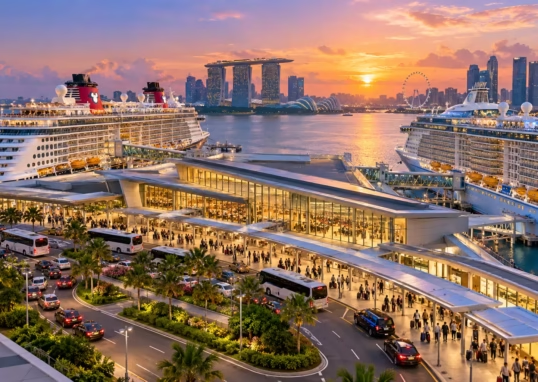
Princess Cruises and Singapore’s Three-Year Partnership: A Blueprint for Cruise Industry Growth in Asia
- 0
- 477 words
A Landmark Partnership for Asian Cruising In May 2026, the Singapore Tourism Board and Princess Cruises announced a three-year partnership that represents...
Read out all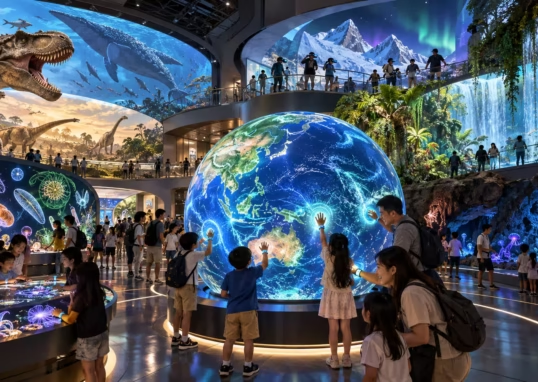
Science Centre Singapore and KidsSTOP: Building Scientific Curiosity Through Play-Based Learning
- 0
- 408 words
A Legacy of Interactive Science Education Since its establishment, Science Centre Singapore has stood as the nation’s premier institution for hands-on scientific...
Read out all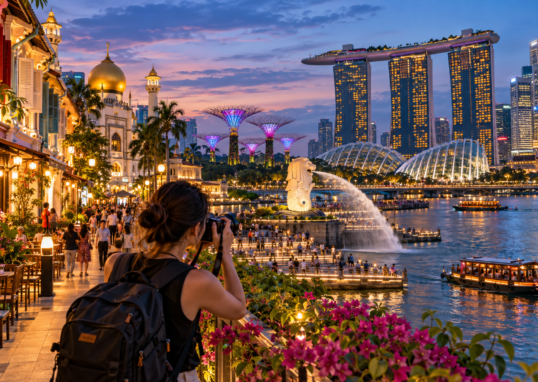
Gardens by the Bay Photography in 2026: A Complete Visual Guide for Travellers
- 0
- 382 words
Gardens by the Bay has welcomed over 87 million visitors since its opening, cementing its status as Singapore’s premier horticultural and photographic...
Read out all
The Architectural Time Machine: Tracing Singapore’s Evolution Through Its Most Iconic Modern Structures
- 0
- 499 words
To walk through Singapore is to flip through the pages of a futuristic novel that actually came true. The city’s modern architecture...
Read out all
Eating Like a King on a Pauper’s Budget: The Backpacker’s Guide to Singapore Hawker Centres
- 0
- 608 words
The reputation of Singapore as one of the most expensive cities in the world often deters budget travelers, but there is a...
Read out all
Singapore Remote Work Visa Options 2026: Tech.Pass, EntrePass, and Work Holiday Pass Explained
- 0
- 494 words
Many digital nomads assume Singapore offers a dedicated digital nomad visa. It doesn’t. Instead, the city-state uses a suite of targeted passes...
Read out all