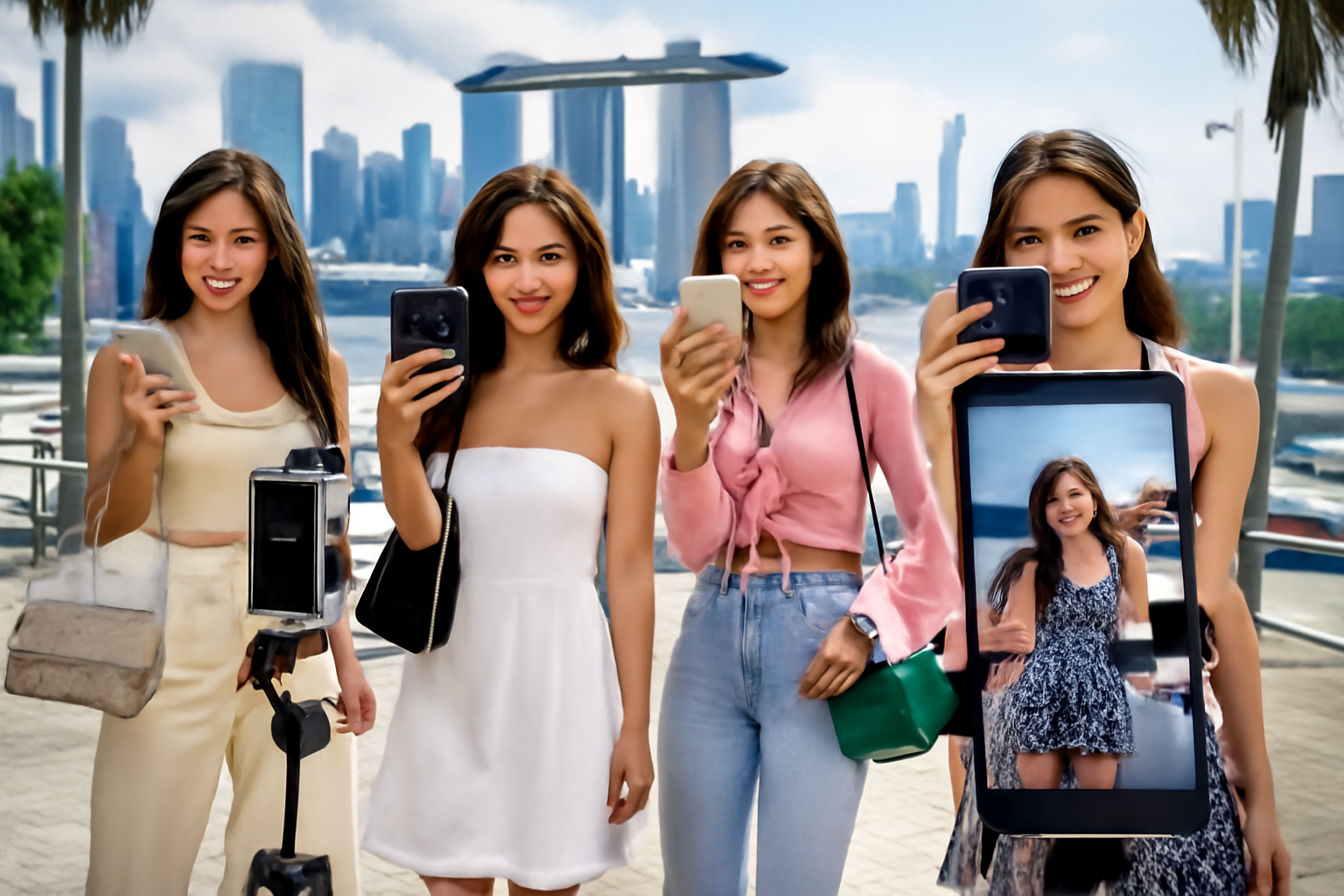
Social media has revolutionized the way fashion trends emerge and spread worldwide. In Singapore, a global fashion epicenter, social media plays a pivotal role in the rapid creation and dissemination of new styles, trends, and aesthetics. From Instagram to TikTok, these platforms have become more than just channels for self-expression—they are now key players in determining which styles dominate the local and international fashion scene.
The rise of social media influencers in Singapore has significantly impacted the fashion landscape. Many local influencers have amassed large followings by sharing their personal fashion journeys and daily outfits. Through Instagram, these influencers showcase both high-end and street styles, which then get replicated by their followers. This creates a domino effect where one individual’s outfit inspiration can spark a larger trend within the city-state. Instagram’s visual-centric nature makes it the ideal platform for fashion, enabling brands and individuals alike to visually communicate style, color schemes, and outfit combinations in ways that resonate with followers.
TikTok has also become a major influence in the fashion world. Unlike Instagram, which relies on static images, TikTok’s short-form video content encourages creative expression in a more dynamic way. Fashion hauls, styling tips, and trend challenges have become viral content on TikTok, making it a perfect platform for trends to grow. In Singapore, TikTok has allowed smaller, independent fashion creators to gain visibility and introduce fresh, innovative styles to the broader public. Users on TikTok can quickly mimic or adapt trends they see in videos, which accelerates how fast fashion trends evolve.
One of the unique aspects of social media’s influence on fashion in Singapore is the speed at which trends gain momentum. In the past, fashion cycles were dictated by traditional runways, seasons, and global fashion capitals. Now, social media can catapult new trends into the mainstream almost overnight. As influencers and content creators post their outfits, new styles—whether casual streetwear, avant-garde designs, or minimalist aesthetics—can quickly catch on. The hashtag culture of Instagram allows fashion trends to spread organically, with users across the world adopting these trends and integrating them into their personal wardrobes.
The democratization of fashion is another key factor. Social media platforms have given anyone with a smartphone the ability to create content, share their style, and gain recognition. This has led to a more diverse and inclusive representation of fashion in Singapore. No longer are only high-fashion models or celebrities dictating what’s in vogue; everyday people are now influencers in their own right, showcasing how fashion is for everyone, regardless of size, shape, or background.
Furthermore, social media has helped elevate local fashion designers and brands. As global fashion trends merge with local sensibilities, social media platforms provide an ideal space for designers from Singapore to promote their collections. These designers can engage directly with their audience, host virtual fashion shows, and showcase their designs to a global audience, all from the comfort of their own studios. This has led to the growth of the Singaporean fashion industry, with many homegrown designers gaining international recognition thanks to their strong online presence.
The influence of social media on fashion trends in Singapore has also made shopping easier and more personalized. Through sponsored posts, advertisements, and influencer partnerships, social media platforms have turned into direct marketplaces. Fashion brands can sell products through Instagram and Facebook, while TikTok users can directly purchase items featured in their favorite videos. This seamless integration of shopping and social media has created a more personalized shopping experience, as users can shop for exactly what they see on their feed.
In addition, social media has sparked greater interest in sustainable fashion. Singapore, a city-state with a highly conscious consumer base, has seen influencers use their platforms to promote eco-friendly fashion choices. Whether it’s advocating for slow fashion or highlighting second-hand stores, social media is fostering a culture of sustainability in the fashion industry. This shift toward sustainability is not only an ethical choice but also a growing trend among young Singaporeans who are keen to reduce their environmental footprint.
In sum, social media has reshaped the fashion landscape in Singapore by accelerating the spread of trends, democratizing the industry, and providing a direct link between consumers and brands. As platforms continue to evolve, so too will the ways in which fashion trends emerge and dominate the market, making social media an indispensable force in shaping the future of fashion in Singapore.
Author

Clara@gmail.com
Related Posts
Fashion in Singapore: A Cultural Crossroads with Worldwide Influence
Singapore is often described as a meeting point of East and West, and its fashion culture reflects that reputation with striking clarity....
Read out all
How Singapore’s Festivals Became a Stage for Homegrown Designers
In recent years, festivals in Singapore have evolved into dynamic stages where local fashion designers can shine. Whether at large-scale music festivals,...
Read out all
Top Fashion Spots in Singapore: A Deep Dive into the City’s Malls
Singapore’s fashion identity is shaped by its role as a global crossroads. The city blends Asian influences with Western trends, and its...
Read out all
Sustainable Fashion in Singapore: Charting a Greener Path for the Fashion Industry
The fashion industry in Singapore is undergoing a profound transformation as sustainability becomes a core focus for both consumers and businesses. In...
Read out all
Threads and Tastes: Designing Cross‑Sensory Brand Moments
Food and fashion share the same stagecraft: color theory, texture, and seasonal rhythm. Bringing them together lets marketers orchestrate experiences that lodge...
Read out all
Fashion for All: The Role of Inclusivity in Singapore’s Fashion Scene
Singapore’s fashion industry is undergoing a significant transformation, as the concept of inclusivity continues to gain momentum across the city-state. For decades,...
Read out all