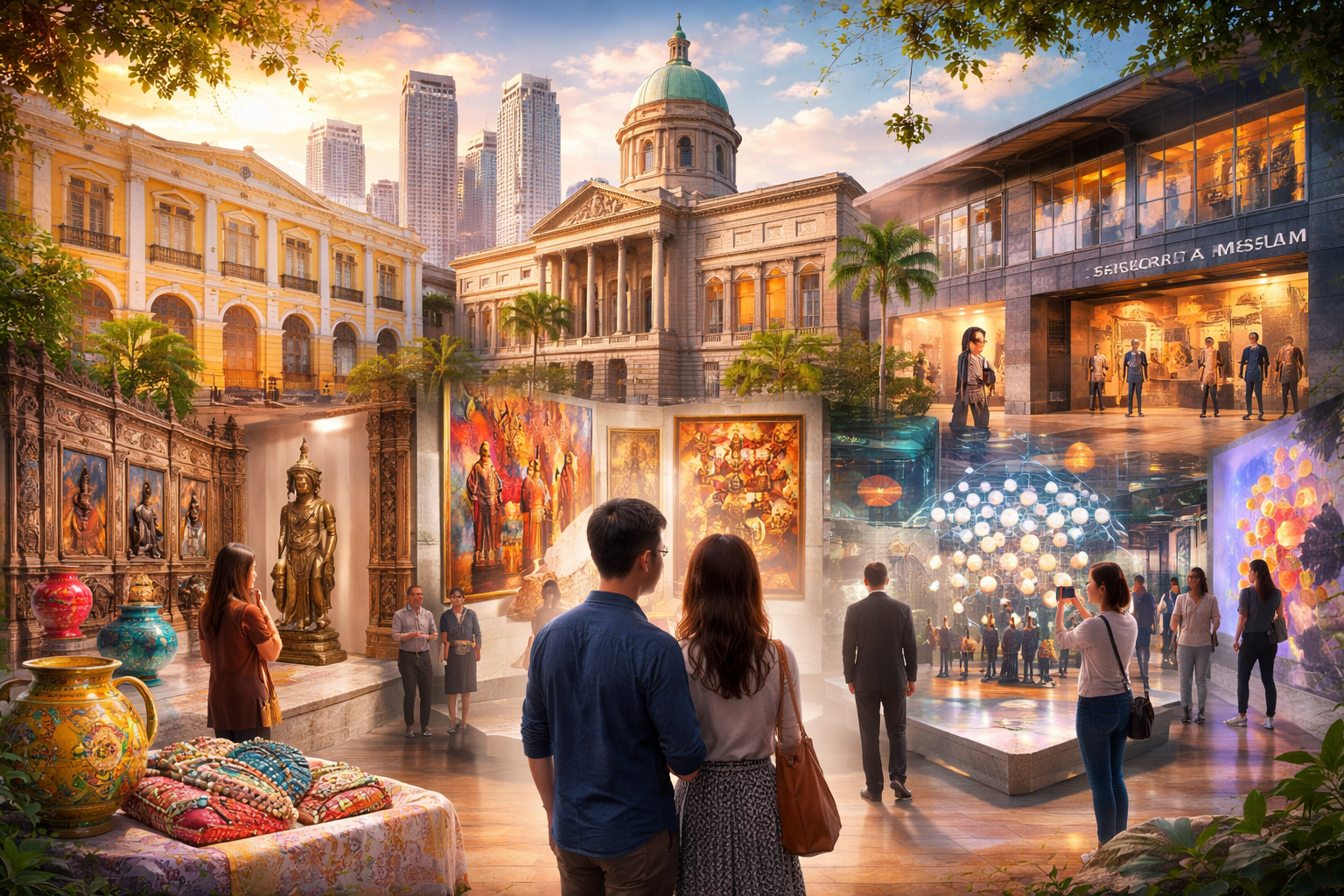
Singapore’s reputation as a global city is not limited to finance, architecture, and tourism. Over the years, it has also built a strong cultural identity through museums and galleries that showcase local heritage, Southeast Asian creativity, and international contemporary art. For travelers who want a deeper understanding of the city beyond its modern image, exploring its art exhibitions is one of the most rewarding experiences available.
A leading destination in this landscape is the National Gallery Singapore, which has become one of the region’s most respected art institutions. The museum is especially important because it houses one of the largest public collections of modern art from Singapore and Southeast Asia. Its exhibitions are thoughtfully curated to show how artists from the region responded to colonialism, independence, modernization, and changing social values. The setting adds another layer of meaning, as the gallery occupies two historic civic buildings. Walking through its halls gives visitors not only access to remarkable artworks, but also a sense of how history and culture are physically woven into Singapore’s urban fabric.
For visitors who are more drawn to current artistic experimentation, the Singapore Art Museum is a key destination. It is widely recognized for championing contemporary practices and presenting exhibitions that challenge conventional expectations. Instead of focusing only on traditional forms, the museum often explores video installations, immersive environments, performance-based projects, and cross-disciplinary collaborations. Its exhibitions can be thought-provoking, sometimes even unsettling, because they address issues such as ecology, surveillance, public memory, migration, and technology. This makes the museum ideal for audiences interested in how art reflects present-day concerns.
Another institution worth visiting is the Asian Civilisations Museum, which broadens the understanding of art in relation to trade, faith, and cultural contact. The museum’s collections reveal how artistic styles and objects traveled across Asia over centuries. Sculptures, ceramics, textiles, ritual objects, and luxury goods are displayed in ways that highlight exchange rather than isolation. Visitors learn that Singapore’s place in Asia has always been shaped by movement and connection. This perspective is especially helpful for anyone trying to understand why the country’s art scene today feels so cosmopolitan and layered.
The Peranakan Museum offers a more focused but equally valuable cultural experience. Its exhibitions are centered on the Peranakan communities, whose blended heritage reflects Chinese, Malay, and other regional influences. Through furniture, embroidered garments, beadwork, porcelain, and ceremonial items, the museum reveals a highly developed visual culture. It is an excellent reminder that art is not only found in galleries but also in material traditions that shape domestic and social life. The museum appeals to visitors interested in aesthetics, identity, and cultural continuity.
Beyond the major museums, Singapore’s independent gallery scene deserves careful attention. Gillman Barracks stands out as a major contemporary arts enclave where commercial galleries present works by both regional and international artists. The atmosphere there differs from that of formal museums. Exhibitions often feel more immediate, trend-aware, and experimental. It is a good place to observe what collectors, curators, and younger artists are currently discussing.
Singapore’s art institutions are impressive not only because of the quality of their exhibitions, but also because of the way they help audiences connect the past with the present. A museum visit in the city can move from historical artifacts to digital installations, from regional narratives to global themes. This range is what makes Singapore such a compelling destination for art enthusiasts. Its galleries and museums offer more than visual pleasure; they provide context, dialogue, and a richer understanding of the many cultures that shape the nation.
Author

Clara@gmail.com
Related Posts
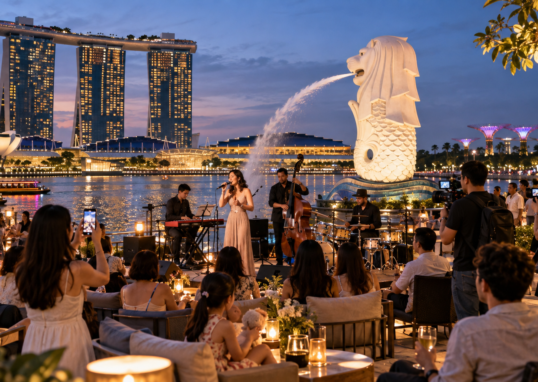
Inside Singapore’s Influencer Economy: When Entertainment Content Becomes the Most Powerful Ad Format
- 0
- 717 words
The Creator-Led Advertising Boom Singapore’s advertising industry is witnessing a quiet revolution, and its driving force isn’t a new media platform or...
Read out all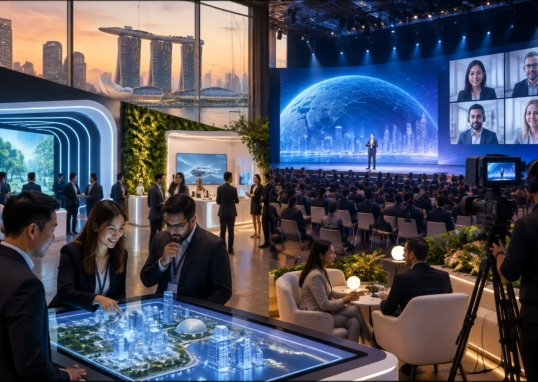
Inside Singapore’s MICE Powerhouse: Event Organizers Driving a $3.5 Billion Industry
- 0
- 486 words
Singapore has cemented its position as Asia’s undisputed MICE (Meetings, Incentives, Conferences, and Exhibitions) capital. In 2026, the sector is on track...
Read out all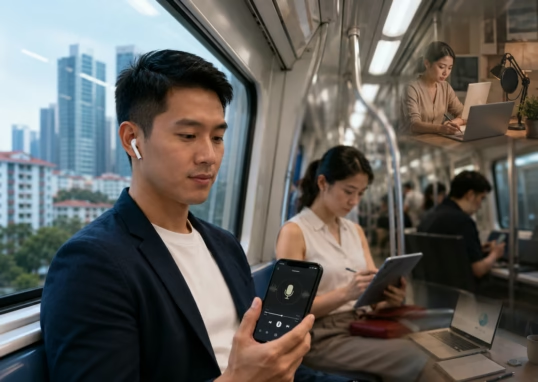
Beyond Entertainment – The Rise of Hyper-Niche Educational Podcasts in Singapore’s Lifelong Learning Culture
- 0
- 312 words
Audio as a Tool for National Upskilling While Western markets often top the charts with true crime and comedy, Singapore’s podcast ecosystem...
Read out all
Inside Singapore’s 2026 Creative Industry Surge: Designers, Artists, and Digital Creators Drive Growth
- 0
- 388 words
The creative industry in Singapore is experiencing one of its strongest growth phases. Data from the Ministry of Culture, Community and Youth’s...
Read out all
AI on the Menu: How Predictive Analytics and Smart Kitchens Are Eliminating Food Waste in Singapore’s Restaurant Industry
- 0
- 465 words
For an industry built on razor-thin margins and perishable inventory, artificial intelligence is proving to be the ultimate sous-chef. In 2026, Singapore’s...
Read out all
Why Singaporean Animation Is Using Southeast Asian Stories to Win International Audiences
- 0
- 628 words
Cultural Identity Is Becoming a Commercial Advantage Global animation audiences are increasingly exposed to stories originating outside the traditional production centers of...
Read out all