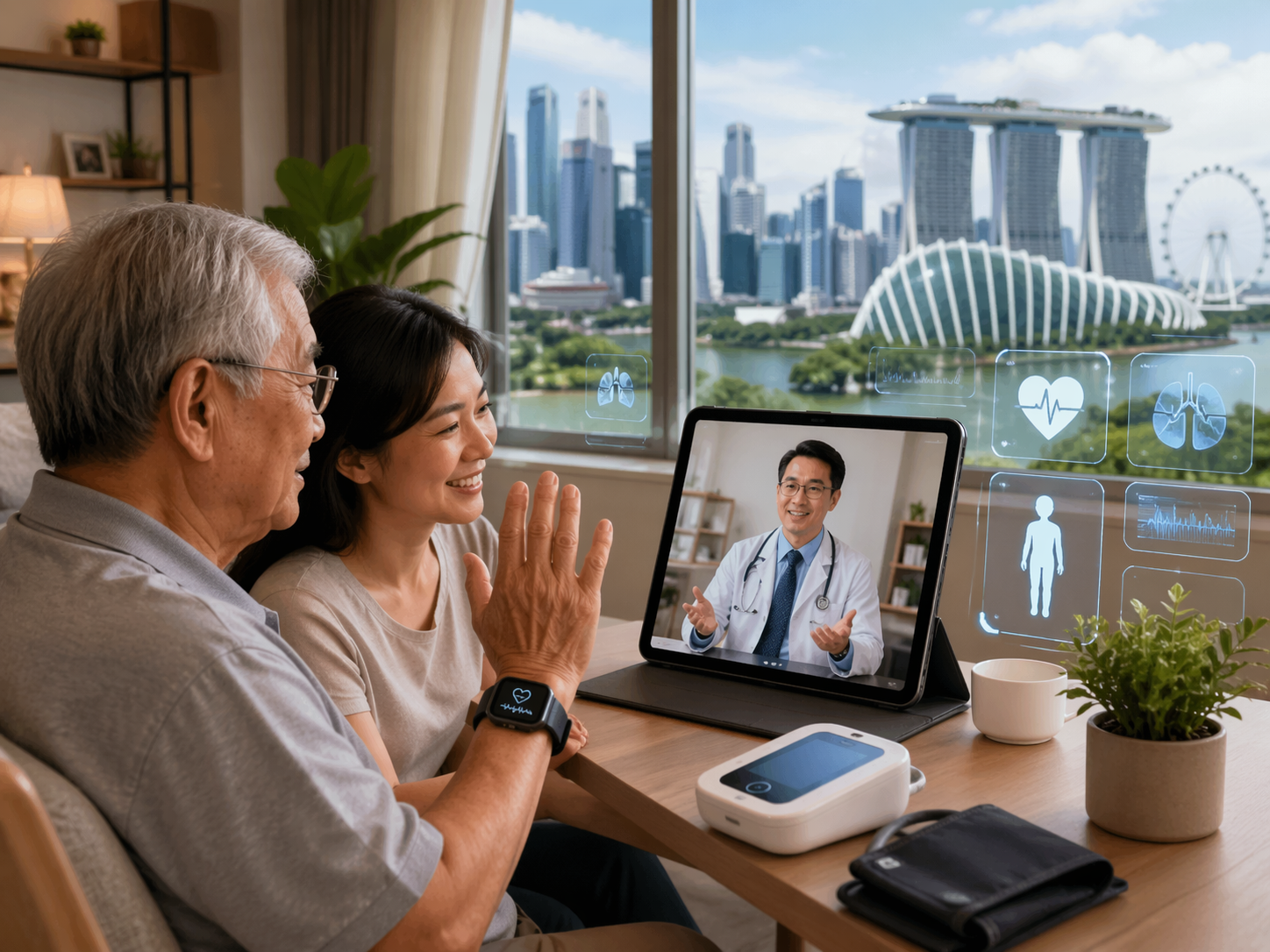
Telemedicine has emerged as a game-changer in the healthcare landscape of Singapore, offering a new dimension of convenience and accessibility for patients. This technology leverages digital platforms such as mobile apps, video conferencing tools, and online health portals to connect patients with healthcare professionals remotely. With an increasingly tech-savvy population, Singapore is at the forefront of adopting telemedicine solutions that provide more efficient and accessible healthcare.
One of the key benefits of telemedicine is its ability to bridge geographical gaps. In a densely populated country like Singapore, where people live in high-rise buildings and the need for healthcare services is constantly growing, telemedicine allows for more widespread access to medical professionals without requiring patients to travel long distances. This is especially crucial for elderly citizens, who may have mobility issues or those residing in more remote parts of the country.
Moreover, telemedicine offers patients the ability to consult with doctors from the comfort of their homes. This not only saves time but also reduces the stress associated with traditional in-person doctor visits. With a few taps on a smartphone or computer, patients can book appointments, receive diagnoses, and even get prescriptions, all from a virtual environment. This convenience is a significant factor in encouraging the adoption of telemedicine in Singapore.
For healthcare providers, telemedicine helps in managing patient data efficiently. It allows for easy documentation and tracking of patient histories, treatment plans, and follow-ups. Additionally, doctors can review medical records and even analyze diagnostic data shared through secure digital channels, which can assist in making informed decisions about treatment options.
Telemedicine is particularly advantageous for managing chronic diseases such as diabetes and heart disease, which require regular monitoring and follow-up care. Through remote monitoring tools, doctors can track patients’ vital signs and intervene when necessary. This continuous care not only improves patient outcomes but also reduces the strain on hospitals, allowing medical professionals to focus on more urgent cases.
The government of Singapore has been instrumental in fostering telemedicine’s growth. Initiatives like the “Healthier SG” strategy and the “Smart Health” program are encouraging both healthcare professionals and patients to adopt digital health solutions. By integrating these services into the national healthcare framework, Singapore is positioning itself as a leader in digital health innovation.
Author

Clara@gmail.com
Related Posts

NTU Singapore’s Microscopic Peptide Droplets Slash Colorectal Tumour Growth by 67%
- 0
- 352 words
A New Approach to an Old Problem Colorectal cancer remains one of the most challenging malignancies to treat, particularly when tumours develop...
Read out all
Plant Protein Powders and Functional RTDs Are Redefining Singapore’s Urban Supplement Culture
- 0
- 395 words
At 8 a.m. in Singapore’s Central Business District, the breakfast crowd is no longer just ordering kopi and toast. Many are grabbing...
Read out all
Mindful Aesthetics: The Integration of Holistic Mental Wellness into Singapore’s Beauty Routines
- 0
- 563 words
In the bustling metropolis of Singapore, where the pressure to perform is relentless, the beauty industry is recognizing that stress is the...
Read out all
Inside Singapore’s High-Tech Specialist Clinics: AI, Robotics, and Precision Medicine in 2026
- 0
- 353 words
The Rise of AI-Augmented Diagnostics Machine Learning in Radiology and Pathology Radiologists and pathologists in leading private clinics now work alongside AI...
Read out all
Duke-NUS’s Team-Based Learning Model: Forging Clinician-Scientists Ready for Singapore’s Future Healthcare Challenges
- 0
- 467 words
Departing from the conventional undergraduate pathway, Duke-NUS Medical School offers a graduate-entry MD programme that emphasizes scientific discovery and clinical leadership. This...
Read out all
How Singapore Is Using Genomics and Precision Medicine to Shape the Future of Asian Healthcare
- 0
- 618 words
Singapore’s biotechnology ambitions are increasingly centered on a fundamental medical question: why do patients with the same disease respond differently to the...
Read out all