- 0
- 305 words
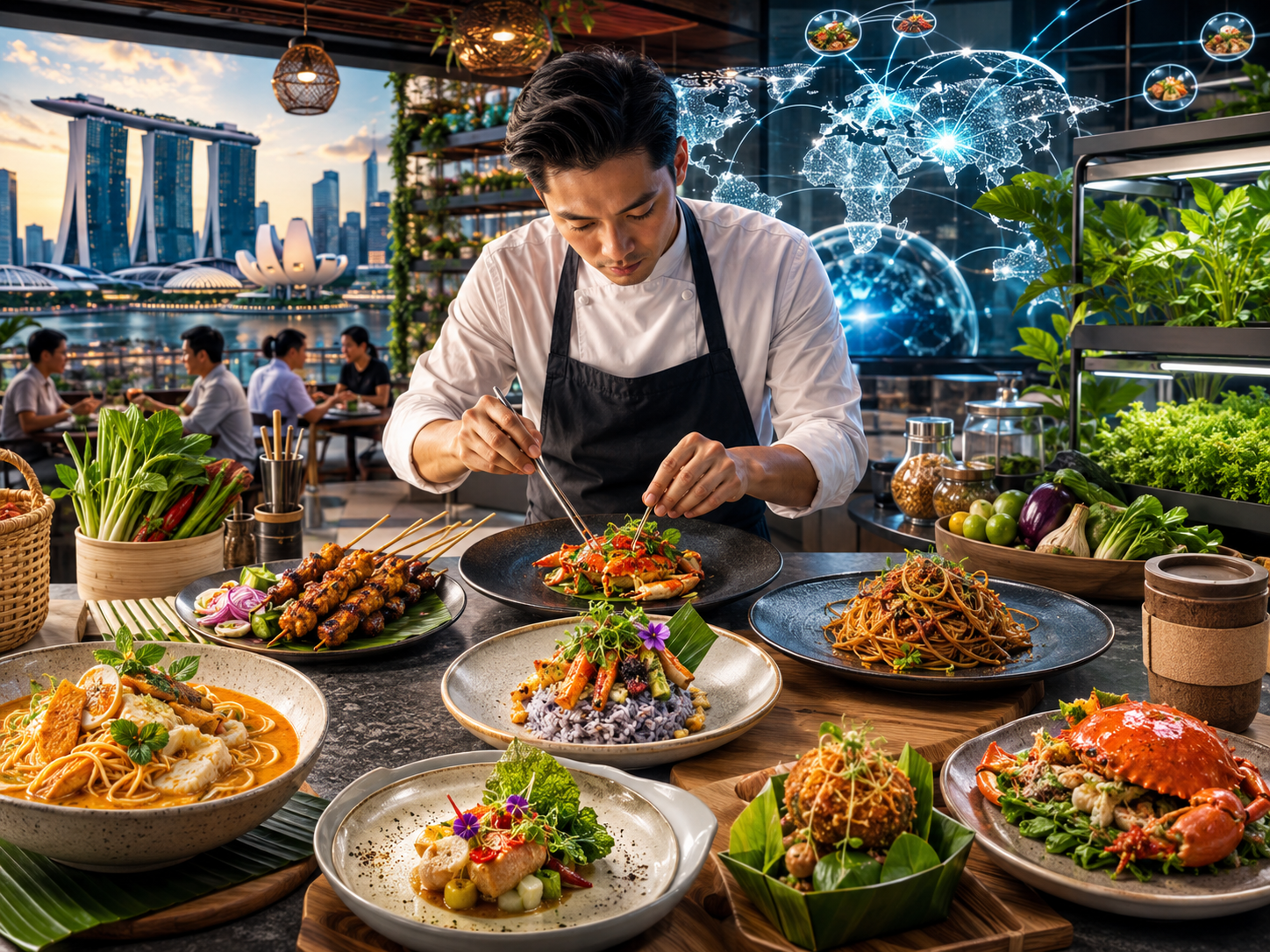
Food is one of the most powerful forms of cultural diplomacy, and Singapore has effectively used its cuisine to strengthen its global identity. Through culinary exports and international recognition, Singaporean food has become a symbol of national branding on the world stage.
One major driver of this influence is tourism. Visitors who experience Singapore’s food culture often associate the country with culinary excellence and diversity. Hawker centers, food festivals, and curated dining experiences present Singapore as a “food nation,” where eating is both a daily necessity and a cultural event.
International events such as food expos and cultural fairs have further elevated Singaporean cuisine. Chefs and culinary ambassadors showcase dishes like bak kut teh, nasi lemak, and rojak, introducing them to audiences unfamiliar with Southeast Asian flavors. These events help bridge cultural gaps by translating local tastes into globally understandable experiences.
Another important element is the government’s active promotion of food heritage. In 2020, Singapore’s hawker culture was inscribed on UNESCO’s Representative List of Intangible Cultural Heritage. This recognition significantly boosted global awareness, positioning hawker food as not just street cuisine but a protected cultural asset.
Additionally, Singaporean restaurants abroad contribute to soft power. By establishing dining outlets in major global cities, they create spaces where international consumers engage directly with Singapore’s culinary identity. These restaurants often serve as cultural hubs, introducing not only food but also stories of migration and tradition.
Digital media has amplified this influence further. Food bloggers, travel influencers, and documentary creators have helped global audiences understand the complexity behind seemingly simple dishes. As a result, Singaporean cuisine is no longer viewed as regional street food but as a refined and globally relevant culinary system.
Through these channels, Singapore has successfully transformed its cuisine into a form of cultural communication, strengthening its presence in the global imagination.
Author

Clara@gmail.com
Related Posts
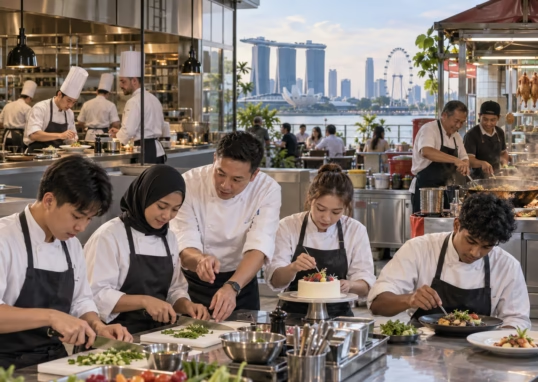
At-Sunrice GlobalChef Academy and the “East-Meets-West” Chef Training Model
- 0
- 437 words
At-Sunrice GlobalChef Academy occupies a distinct position in Singapore’s culinary education market: it is neither a government technical institute nor a traditional...
Read out all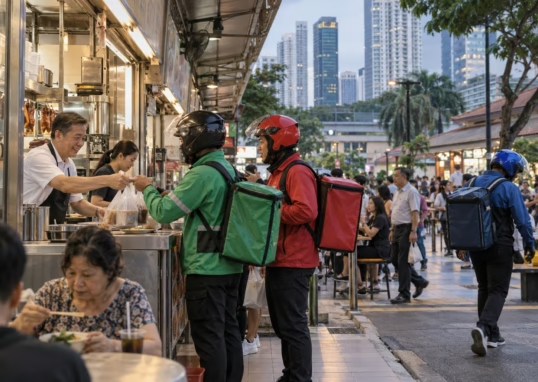
Quick Commerce Revolution: How Singapore’s Grocery Delivery Market Is Reshaping Urban Convenience
- 0
- 431 words
The Speed Economy Comes to Singapore’s Groceries Singapore’s relationship with grocery shopping is undergoing a fundamental transformation. What was once a weekly...
Read out all
Cultivated Beef Meets Frozen Formats: Singapore’s Regulatory Breakthrough Opens New Product Frontiers
- 0
- 474 words
A Regulatory First That Ripples Through the Freezer Aisle In August 2026, the Singapore Food Agency approved Aleph Farms’ cultivated thin-cut steak...
Read out all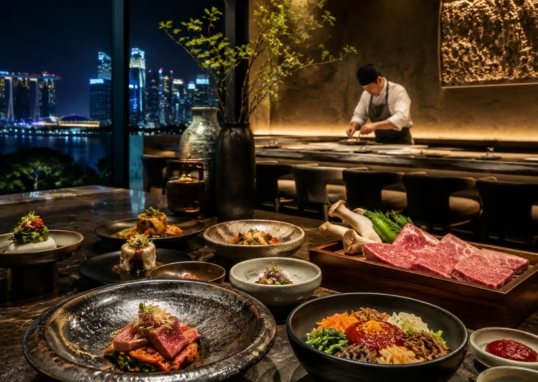
Why Korean Convenience Store Culture and Street Food are Taking Over Singapore’s Snack Scene
- 0
- 448 words
While high-end Korean restaurants capture the attention of critics, the true penetration of Korean culture in Singapore is happening on the streets...
Read out all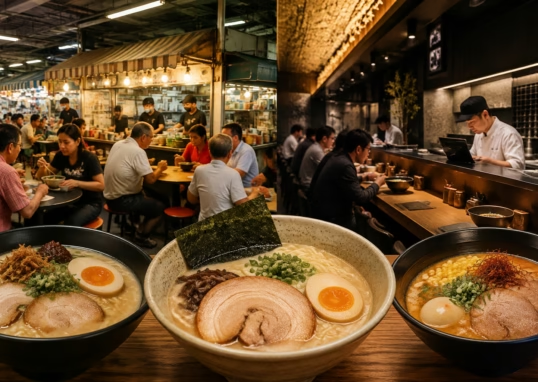
The Omakase Effect: High-End Sushi Dining Transforms Singapore’s Seafood Sourcing and Luxury F&B Scene
- 0
- 359 words
The New Face of Luxury Dining Singapore’s luxury dining scene has long been dominated by European fine dining and modern Asian fusion....
Read out all
Orh Nee Croissants to Gula Melaka Danishes: How Singapore’s Creative Pastry Chefs Are Redefining Premium Viennoiserie in 2026
- 0
- 474 words
Singapore’s premium pastry sector in 2026 is not simply copying Paris. Local chefs are injecting heritage flavours into classic French techniques, producing...
Read out all