- 0
- 522 words
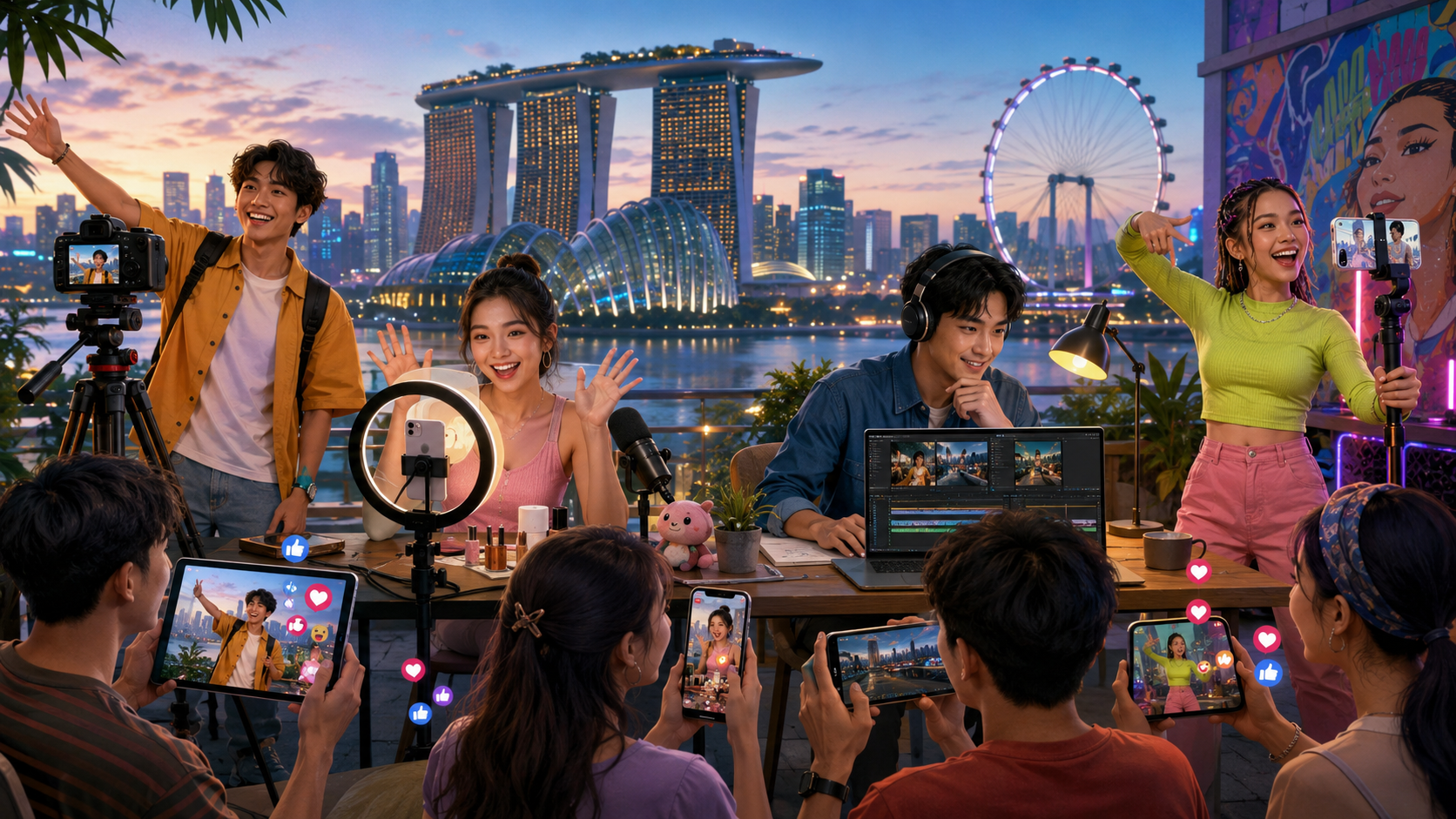
The entertainment landscape in Singapore is no longer controlled only by television channels, film studios, radio stations, and celebrity agencies. Digital platforms have allowed influencers and YouTubers to become important voices in the industry. These creators attract audiences through humor, lifestyle content, beauty advice, food exploration, travel videos, reaction content, interviews, and personal storytelling. Their influence is strong because they communicate directly with viewers and build relationships that feel personal and informal.
A key reason influencers have become important in Singapore is their ability to understand local audiences. Many creators produce content around daily Singaporean experiences such as school life, National Service, hawker food, public transport, family expectations, workplace culture, shopping habits, and social trends. These topics may seem simple, but they connect strongly with viewers because they reflect real life. Instead of presenting entertainment as something distant or glamorous, influencers make it feel familiar and easy to relate to.
YouTubers have also changed how entertainment is produced. A traditional production may take months of planning, filming, editing, and broadcasting. Online creators can respond much faster to trends, jokes, events, and public conversations. When a topic becomes popular, a YouTuber can create a video within days or even hours. This speed gives digital entertainment a fresh and responsive quality. It also allows audiences to feel that they are part of an ongoing conversation rather than passive viewers.
Another important role is the discovery of new talent. Singapore has many creative individuals who may not enter the entertainment industry through conventional routes. YouTube and social media give them a platform to show their skills in acting, comedy, music, editing, directing, hosting, or storytelling. A creator with a small camera and a strong idea can gradually build an audience. Over time, online success can lead to collaborations with brands, media companies, events, and mainstream entertainment platforms.
Influencers also play a strong role in shaping consumer behavior within entertainment. For example, when a popular creator recommends a film, attends a music event, reviews a café, or features a local attraction, followers may become interested because the recommendation feels personal. This is why many companies in Singapore include influencers in promotional campaigns. They can reach specific groups such as teenagers, young professionals, parents, food lovers, gamers, or beauty audiences more effectively than broad advertising.
The cultural value of influencers is also important. Singapore’s society is multilingual and multicultural, and online creators often capture this naturally. Their content may include Singlish expressions, local jokes, neighborhood references, or cultural habits that mainstream media sometimes avoids or simplifies. This helps preserve a sense of local identity in a global digital environment where audiences are also exposed to content from the United States, South Korea, Japan, China, and other regions.
Still, digital influence requires responsibility. Influencers need to manage honesty, privacy, sponsorship disclosure, and respectful communication. Because their words can affect public opinion, careless statements can spread quickly. Creators must balance entertainment with accountability.
In Singapore, influencers and YouTubers are more than online celebrities. They are modern entertainers who shape culture, business, media habits, and audience expectations. Their presence has made the entertainment industry more open, diverse, and interactive.
Author

Clara@gmail.com
Related Posts
The Stadium as Canvas: How Singapore’s Live Events Are Absorbing Immersive Tech
- 0
- 598 words
The National Stadium, with its cavernous dome and 55,000-seat capacity, has always been a difficult venue for intimate storytelling. In 2026, Singapore’s...
Read out all
From Lunch to Last Call: The Hybrid Venues Blurring Singapore’s Day and Night
- 0
- 459 words
One Address, Four Dayparts The traditional night out in Singapore has always involved friction: dinner in one place, drinks in another, a...
Read out all
Generation Sober: How Gen Z Is Replacing the Club Queue with the Coffee Queue
- 0
- 477 words
The S$100 night out vs. the S$20 afternoon For many young Singaporeans, the decision to skip the nightclub is not ideological—it is...
Read out all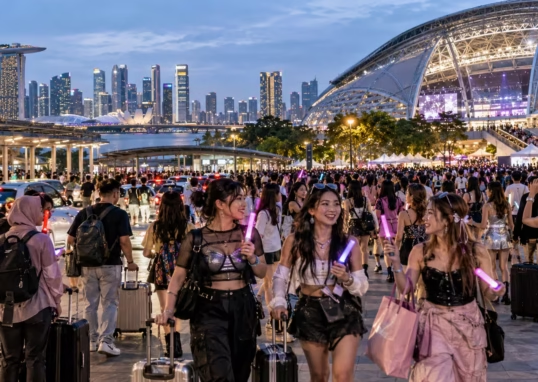
Singapore’s Help-to-Buy Ticketing Boom Tests the Limits of Consumer Protection in a Scam-Prone Market
- 0
- 789 words
A Grey Zone Between Service and Scalping Help-to-Buy (HTB) ticketing occupies an uncomfortable space in Singapore’s consumer landscape. It is not ticket...
Read out all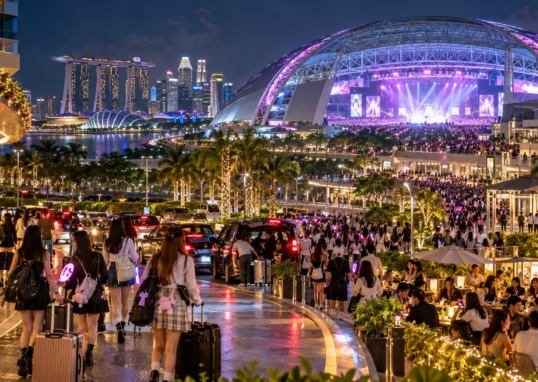
Inside The Kallang’s Strategy to Become Asia’s Premier Concert Destination
- 0
- 427 words
From Sports Hub to Entertainment Powerhouse The National Stadium at The Kallang has hosted Taylor Swift, Coldplay, and Blackpink in recent years....
Read out all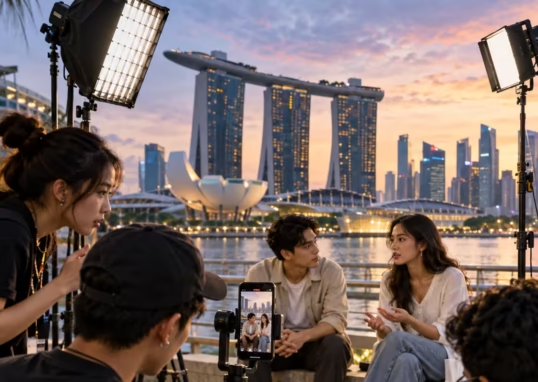
Beyond K-Pop: The K-WAVE × AIGC Alliance and Singapore’s Role in AI-Driven Asian Entertainment
- 0
- 476 words
A Trilateral Bet on the Future of Content At the 20th Busan Content Market in June 2026, a quiet signing ceremony took...
Read out all