- 0
- 358 words
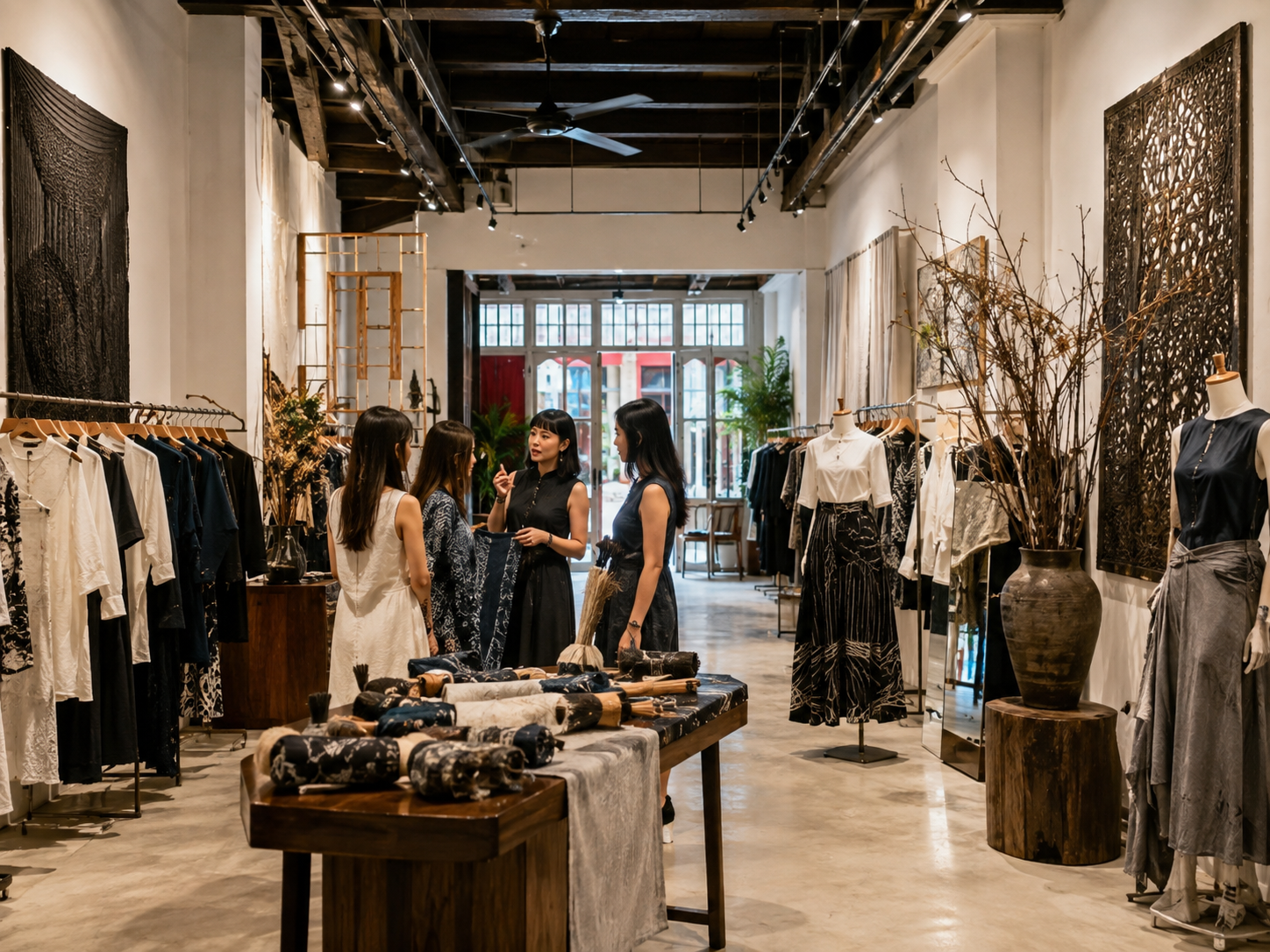
A profound shift is redefining Singapore’s boutique fashion identity: sustainability has moved from marketing tagline to operational necessity. Independent designers and local brands are now positioning eco-conscious practices at the core of their business models, responding to a more discerning, climate-aware consumer base.
From Fast Trends to Circular Design
The conversation around sustainable fashion in Singapore used to centre on imported international brands. Today, homegrown labels are pioneering circular design right here. Matter Prints, a label that started with artisan-made pants using natural dyes, now runs a full take-back programme. Customers can return worn garments for recycling or upcycling into new collections, closing the loop on textile waste. This initiative aligns with the city-state’s broader Zero Waste Masterplan, but its execution at a boutique scale makes it tangible for shoppers.
Zero-Waste Pattern Cutting and Material Innovation
Another standout is Esse, a minimalist womenswear brand that has introduced zero-waste pattern cutting for 70% of its 2026 collection. By arranging pattern pieces like a jigsaw puzzle on fabric, the label reduces production offcuts to near zero. The brand’s founder regularly shares this process on social media, demystifying sustainable garment making for followers. According to a CNA Lifestyle report published in April 2026, local boutiques that transparently document their supply chain see repeat purchase rates as high as 45%, double the industry average (source: https://cnalifestyle.channelnewsasia.com/). The data underlines that education, not just aesthetics, is what converts browsers into loyal customers.
Ethical Production and Local Artisan Partnerships
Beyond materials, ethical labour practices are gaining attention. Studio Gypsied, known for hand-drawn batik, works directly with artisans in Kelantan and Yogyakarta, ensuring fair wages and cultural preservation. In 2026, the brand launched a “Batik Trace” QR code system that lets customers view the artisan’s story and working conditions for each garment. This level of transparency was once the domain of European luxury houses; now it is a competitive advantage for a small Singaporean boutique.
Boutique fashion in the Lion City is thus proving that sustainability can be commercially viable. By embedding circular principles, ethical sourcing, and radical transparency into their DNA, independent brands are not only reducing harm but also building a loyal, values-driven community.
Author

Clara@gmail.com
Related Posts
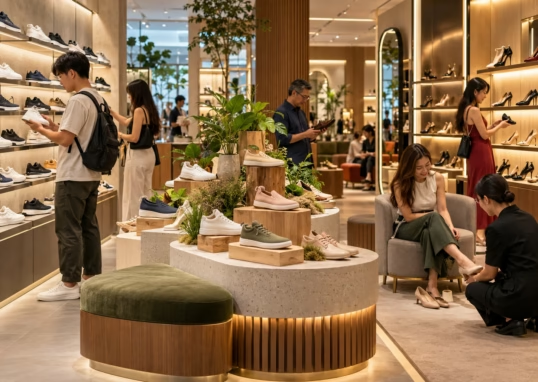
The Comfort Revolution: How Singaporean Footwear Brands Are Redefining Support, Health, and Everyday Wear
- 0
- 658 words
From Pain Point to Product Innovation: The Sunnystep Story Sometimes the most disruptive innovations emerge from the most personal struggles. Mao Ting,...
Read out all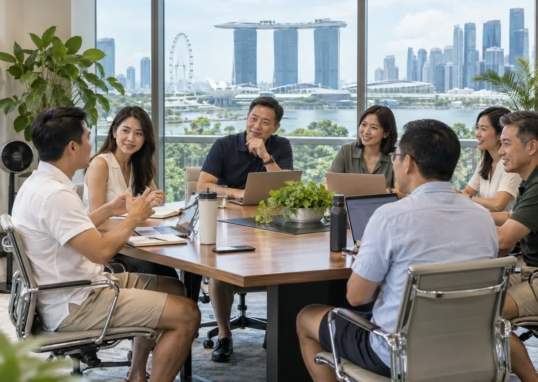
Gen Z vs. Gen X—The Generational Battle Over Singapore’s Office Dress Code
- 0
- 576 words
Two Generations, Two Definitions of Professionalism Walk into any Singapore office in 2026, and you may witness a quiet cultural collision. A...
Read out all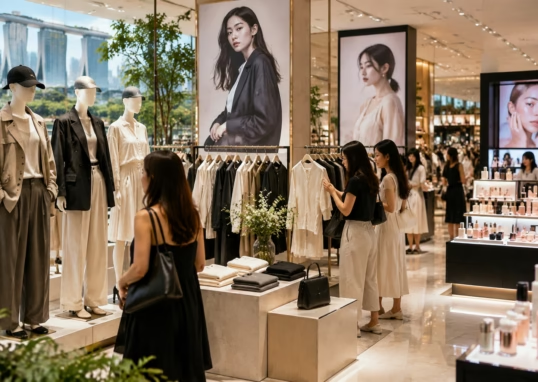
Korean Fashion Brands Are Betting Big on Singapore—and Winning
- 0
- 572 words
The Orchard Road Invasion Nobody Saw Coming When Shinsegae Tomboy opened standalone stores for Studio Tomboy and VOV at the METRO department...
Read out all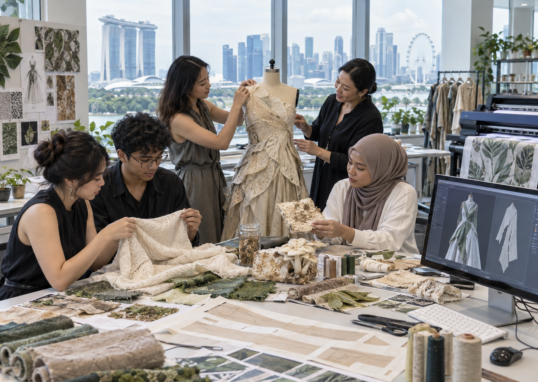
Blending Tradition with Tech: How Singaporean Fashion Schools Are Forging the Ultimate Hybrid Designers in 2026
- 0
- 465 words
The modern fashion designer is expected to be a polymath. They must be an artist, an engineer, a marketer, and increasingly, a...
Read out all
Lab-Grown Diamonds vs. Natural Stones: The Shifting Preferences in Singapore’s Luxury Sector
- 0
- 352 words
The jewelry counters in Singapore’s luxury malls are witnessing a generational shift in values. While natural diamonds have long been the benchmark for...
Read out all
The Custodians of Rare Threads: Inside Singapore’s Private Vintage Archives for Japanese Denim and Vintage Chanel
- 0
- 480 words
In a temperature-controlled room in a private apartment, rows of 1990s Japanese denim hang in acid-free garment bags. Nearby, a glass cabinet...
Read out all