- 0
- 388 words
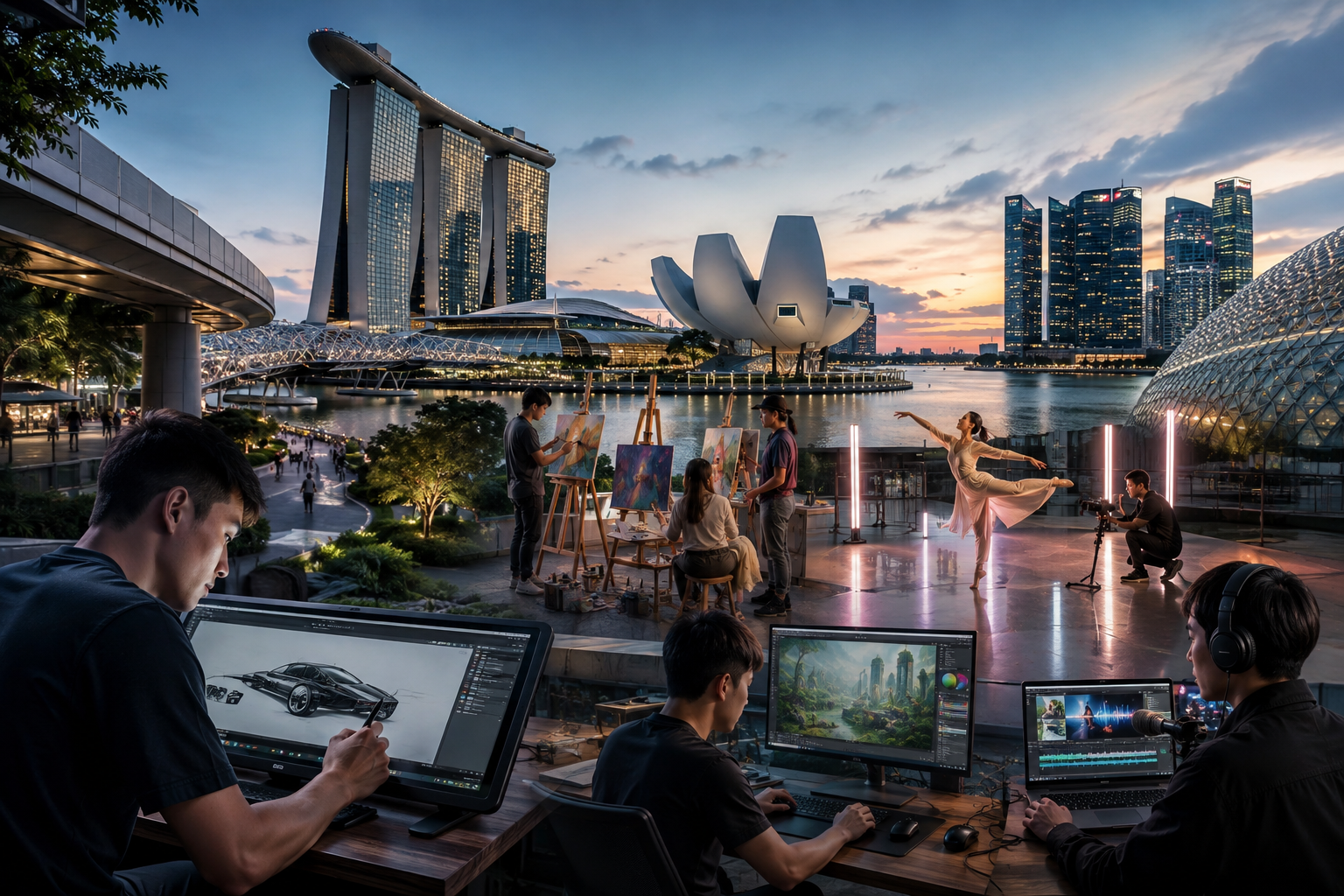
The creative industry in Singapore is experiencing one of its strongest growth phases. Data from the Ministry of Culture, Community and Youth’s 2026 cultural statistics report shows that arts and culture attendance has rebounded sharply, while digital arts revenue jumped 18 percent year-on-year (MCCY). This momentum is powered by three interconnected groups: designers, artists, and digital creators.
Mapping the Creative Industry Landscape
Singapore’s creative ecosystem spans public institutions, private studios, and global platform companies. The government has deliberately nurtured this ecosystem through funding schemes, infrastructure, and international partnerships. In 2026, the result is a more integrated creative economy that blends commercial design, fine art, and digital media production.
Designers Shaping Business Innovation
Designers in Singapore are increasingly involved in high-level business strategy. Rather than simply producing visuals, they lead innovation teams in areas such as sustainable packaging, user-experience design, and smart city solutions. The DesignSingapore Council’s current grant cycle supports projects that apply design thinking to climate resilience, healthcare delivery, and digital inclusion. This practical focus helps local design firms win contracts across Southeast Asia and beyond.
Artists Fueling Cultural Capital
Singapore’s artists are also playing a larger economic role. International art fairs such as ART SG bring global collectors to Singapore, while institutions like the National Gallery and Gillman Barracks host year-round exhibitions. The National Arts Council has expanded its arts housing scheme and project grants, allowing more independent artists to produce large-scale installations and performances. These activities enhance Singapore’s reputation as a cultural hub, which in turn supports tourism, hospitality, and luxury retail.
The Rise of Singapore’s Digital Creator Economy
Digital creators have become a distinct professional class. With global platforms headquartered in Singapore, creators can monetize content more easily through advertising, brand partnerships, and subscription models. Gaming streamers, short-form video producers, and podcasters now earn sustainable incomes while reaching audiences across Asia.
Government Initiatives and International Hubs
Singapore’s Infocomm Media Development Authority supports digital creators through co-production funds, training workshops, and IP advisory services. The 2026 policy emphasis is on cross-border collaboration, enabling Singaporean creators to partner with production houses in Japan, South Korea, and Indonesia. This international orientation not only increases revenue but also strengthens Singapore’s position as a media and entertainment hub. The convergence of design, art, and digital content is creating a more resilient and diversified creative sector.
Author

Clara@gmail.com
Related Posts
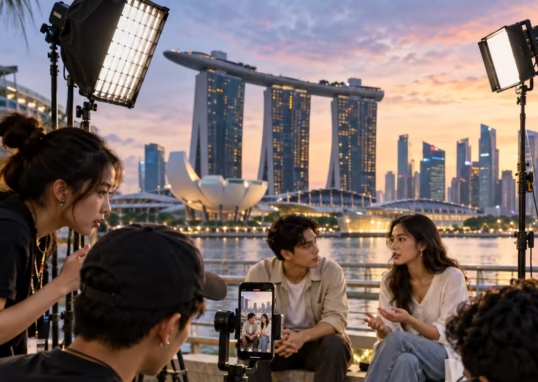
Beyond K-Pop: The K-WAVE × AIGC Alliance and Singapore’s Role in AI-Driven Asian Entertainment
- 0
- 476 words
A Trilateral Bet on the Future of Content At the 20th Busan Content Market in June 2026, a quiet signing ceremony took...
Read out all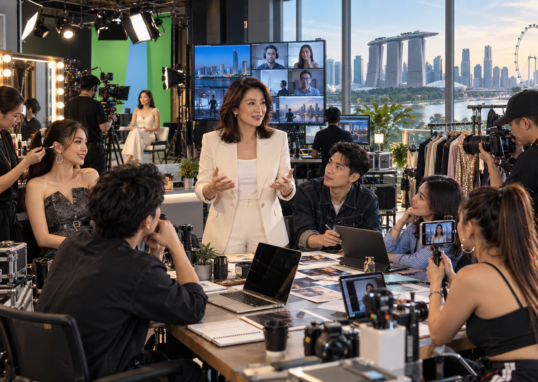
The Rise of Independent Artist Management in Singapore: Tasha Low and the New Autonomy Model
- 0
- 606 words
A Defining Moment in Singapore’s Talent Management Landscape When Tasha Low announced her departure from WILD Entertainment Group in August 2026 after...
Read out all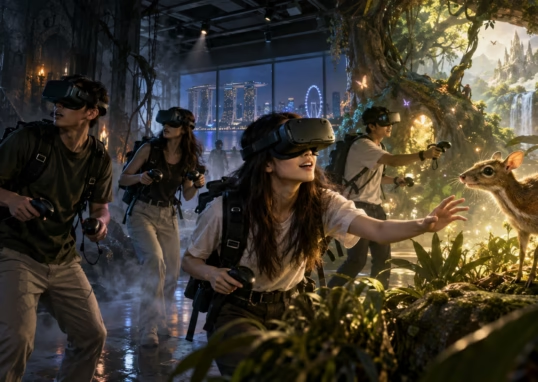
Beyond the Headset: Location-Based VR Redefines Narrative Entertainment in Singapore
- 0
- 500 words
HavenXR: Where Cinema Meets Gaming Singapore has long positioned itself at the intersection of entertainment, innovation, and technology. The next evolution of...
Read out all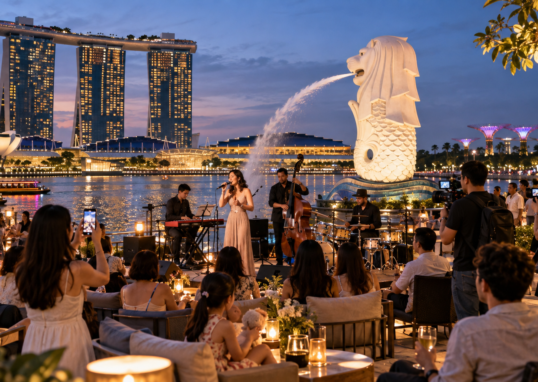
Inside Singapore’s Influencer Economy: When Entertainment Content Becomes the Most Powerful Ad Format
- 0
- 717 words
The Creator-Led Advertising Boom Singapore’s advertising industry is witnessing a quiet revolution, and its driving force isn’t a new media platform or...
Read out all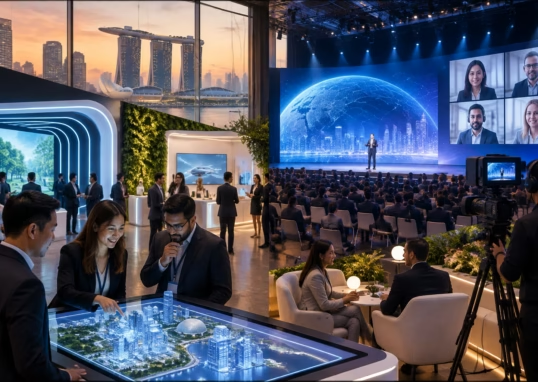
Inside Singapore’s MICE Powerhouse: Event Organizers Driving a $3.5 Billion Industry
- 0
- 486 words
Singapore has cemented its position as Asia’s undisputed MICE (Meetings, Incentives, Conferences, and Exhibitions) capital. In 2026, the sector is on track...
Read out all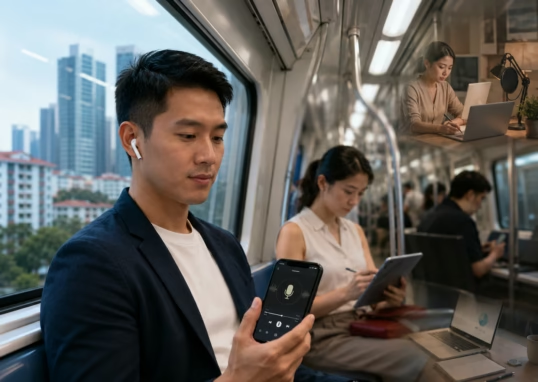
Beyond Entertainment – The Rise of Hyper-Niche Educational Podcasts in Singapore’s Lifelong Learning Culture
- 0
- 312 words
Audio as a Tool for National Upskilling While Western markets often top the charts with true crime and comedy, Singapore’s podcast ecosystem...
Read out all