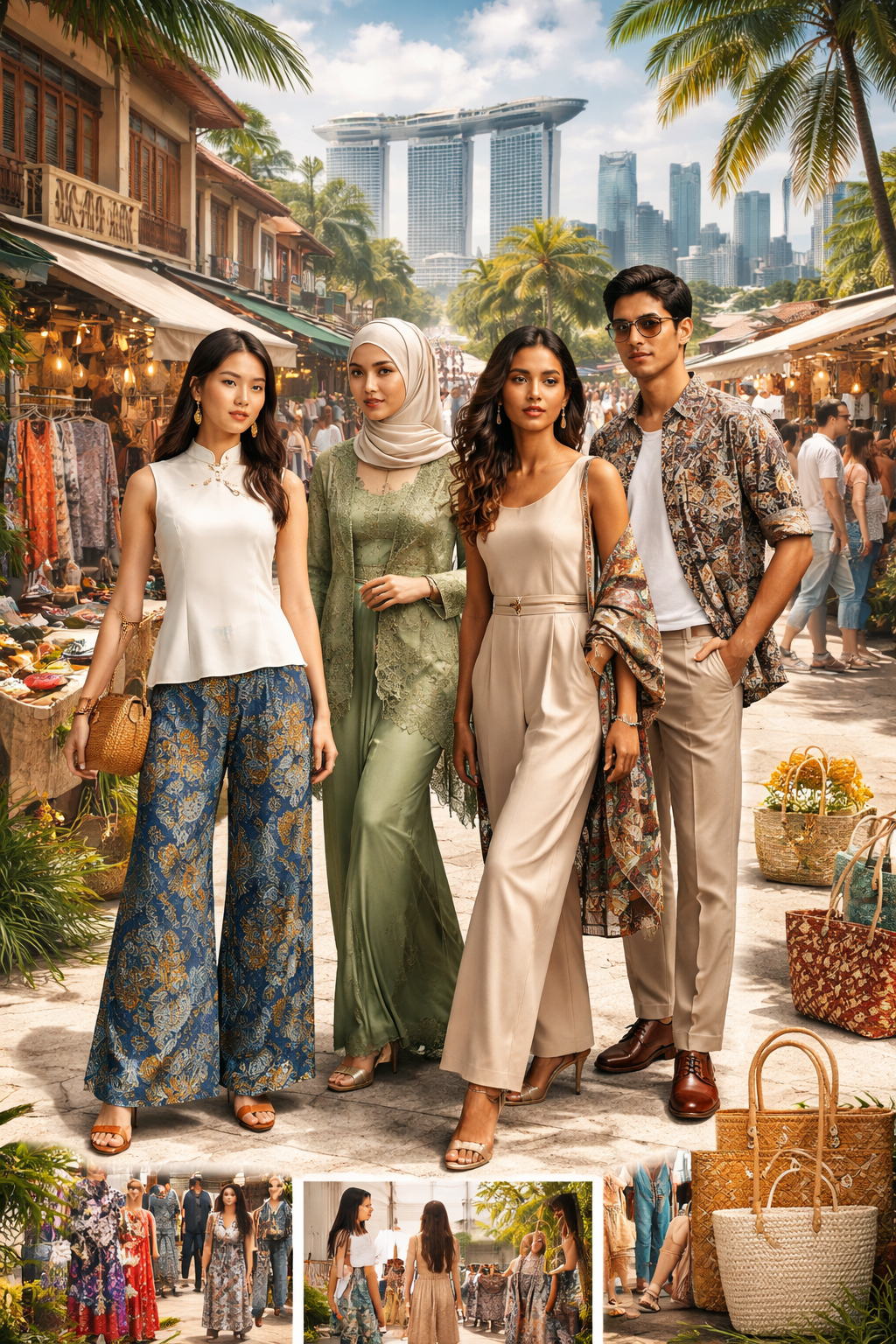
Singapore is often described as a meeting point of East and West, and its fashion culture reflects that reputation with striking clarity. The nation’s wardrobe is built from layers of migration history, regional heritage, and rapid globalization. What emerges is not a single “look,” but a flexible blend—traditional references, international trend cycles, and practical design adapted to a tropical environment.
Local heritage plays a foundational role. The visual language of Singaporean fashion draws from several communities: Chinese traditions (including cheongsam silhouettes and symbolic color choices), Malay culture (notably the kebaya and batik patterns), Indian dress (sarees and textiles with rich surface design), and Peranakan influence (intricate embroidery, bright palettes, and ornamental detail). These elements are still present during major cultural celebrations, yet they also appear in contemporary collections as motifs, tailoring cues, and fabric choices.
Many local designers treat heritage as a toolkit rather than a museum piece. A modern dress might echo a kebaya’s fitted structure without directly replicating it. A shirt may feature batik-inspired prints scaled down into subtle patterns suitable for office wear. Even accessories—beaded bags, embroidered shoes, or jewelry referencing traditional forms—can translate cultural memory into everyday styling.
Global fashion currents, meanwhile, move quickly through Singapore. Luxury shopping districts and international retailers expose consumers to runway directions almost instantly, while influencers and online platforms amplify micro-trends from Seoul, Tokyo, Paris, and New York. This global access fuels experimentation: a Singaporean outfit might combine minimalist Japanese proportions, Korean layering ideas, and European-inspired tailoring—then anchor it with a local fabric or heritage detail.
Climate and lifestyle influence the final outcome. Singapore’s humidity pushes fashion toward breathable materials, relaxed shapes, and functional versatility. People often transition between air-conditioned interiors and outdoor heat, so smart layering and adaptable pieces matter. This is why you see lightweight blazers, loose trousers, crisp cotton shirts, and dresses that can be styled up or down. Footwear often balances style with comfort due to walking, commuting, and the city’s dense urban design.
The city’s fashion geography tells another part of the story. Orchard Road showcases international prestige and mainstream visibility: luxury brands, flagship stores, and fashion-forward mall culture. In contrast, creative districts like Kampong Glam and Bugis are known for independent boutiques, streetwear experimentation, and modest fashion offerings. Chinatown’s traditional shops and textile sellers highlight continuity with the past, while pop-up events and design markets reveal how quickly new talent can emerge.
Modest fashion deserves special mention because it demonstrates how local values and global aesthetics can reinforce each other. Singapore’s Muslim community and regional proximity to Indonesia and Malaysia contribute to a strong modest-fashion scene. Designers focus on flowing silhouettes, elevated basics, and thoughtful construction that feels contemporary rather than restrictive. Many collections feature neutral palettes, breathable fabrics, and versatile sets that align with both cultural needs and modern styling.
Sustainability is gradually becoming more visible as well. As consumers engage with global discussions on waste and overproduction, local initiatives—thrift culture, resale platforms, rental services, and small-batch labels—gain popularity. Practicality encourages “repeatable” outfits and capsule wardrobes, especially since Singapore does not require major seasonal rotation.
Singapore fashion is ultimately a living mix: cultural heritage provides depth, global trends supply momentum, and the realities of climate and city life shape what is wearable. It is this constant blending—old and new, local and international—that gives Singapore its distinctive style energy.
Author

Clara@gmail.com
Related Posts
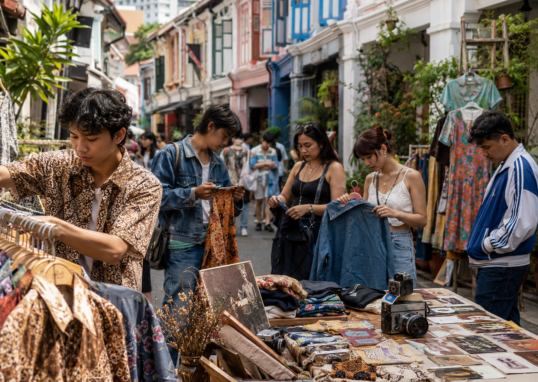
The Custodians of Rare Threads: Inside Singapore’s Private Vintage Archives for Japanese Denim and Vintage Chanel
- 0
- 480 words
In a temperature-controlled room in a private apartment, rows of 1990s Japanese denim hang in acid-free garment bags. Nearby, a glass cabinet...
Read out all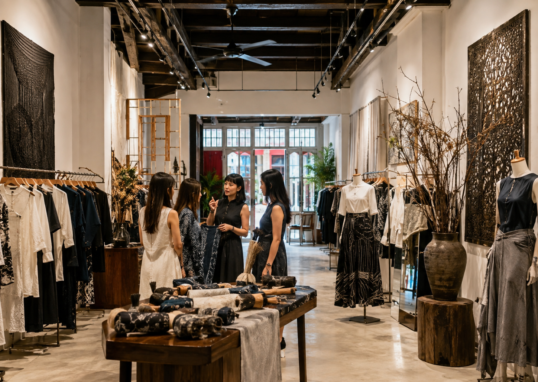
Focus on Sustainability and Ethical Production
- 0
- 358 words
A profound shift is redefining Singapore’s boutique fashion identity: sustainability has moved from marketing tagline to operational necessity. Independent designers and local...
Read out allThe Rise of Mini-Me Dressing: How Instagram and TikTok Shape Singapore’s Kids Fashion Scene
- 0
- 395 words
Scrolling through a Singaporean parent’s social media feed in 2026 reveals a distinct aesthetic: carefully coordinated mother-daughter or family ensembles that blur...
Read out all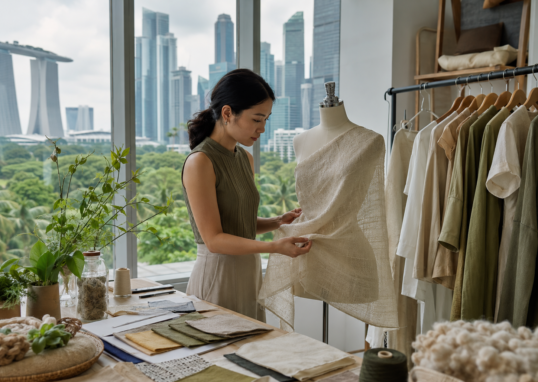
Singapore’s Circular Textile Economy: Tackling Fashion Waste Through Recycling, Resale and Better Design
- 0
- 604 words
Singapore’s fashion market faces a structural contradiction. Consumers have access to a large selection of affordable clothing, yet the country has limited...
Read out all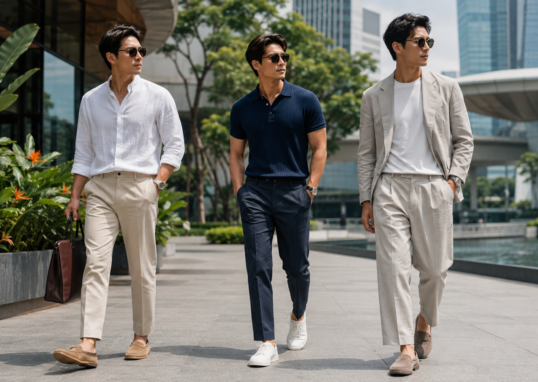
Singapore Men’s Style and the Rise of Refined Urban Dressing
- 0
- 559 words
Fashion for men in Singapore has developed into a sophisticated expression of city living. The modern Singaporean man often needs clothing that...
Read out all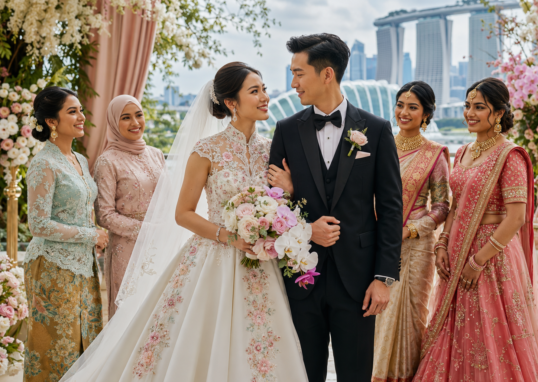
Discovering the Ideal Wedding Gown in Singapore
Singapore has emerged as a premier destination for couples seeking wedding attire that reflects elegance, tradition, and modern style. With its thriving...
Read out all