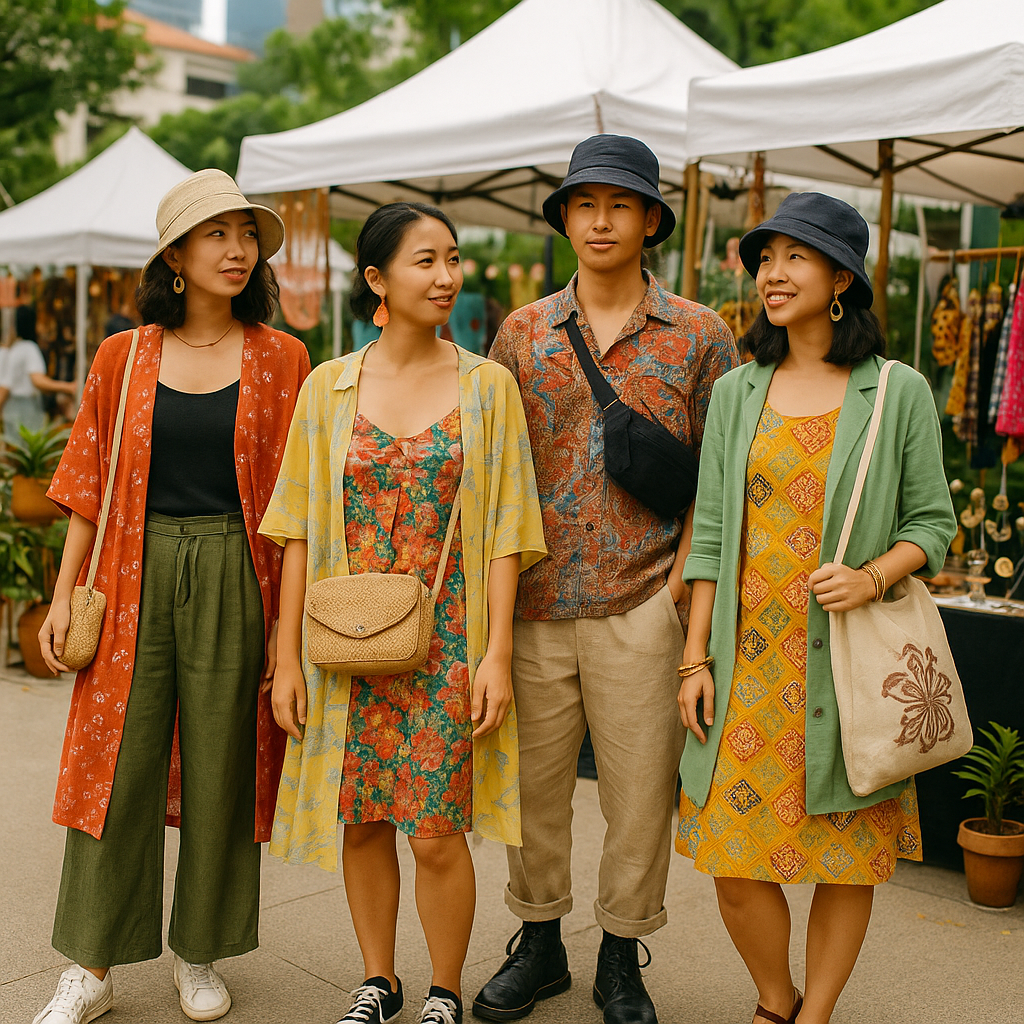
In recent years, festivals in Singapore have evolved into dynamic stages where local fashion designers can shine. Whether at large-scale music festivals, arts carnivals, or cultural events, what people wear increasingly reflects the ingenuity of Singapore’s creative scene. Festival fashion is now a key avenue for homegrown labels to connect with audiences, test new ideas, and build communities around their design philosophies.
For many Singapore-based designers, festivals serve as real-world laboratories. Instead of presenting their pieces only on static runways or lookbooks, they see their garments in motion—dancing, walking, and mingling under bright lights or open skies. This allows them to explore how fabrics behave in humidity, how silhouettes move with the body, and how colors respond to natural or staged lighting. Feedback is immediate: if a design photographs well, withstands the heat, and draws compliments, it often becomes a signature piece or inspires follow-up collections.
Singapore’s festival fashion scene is also defined by its rich cultural layering. Designers routinely borrow elements from the city’s diverse communities to create pieces that feel familiar yet fresh. A contemporary jumpsuit might feature a print inspired by Indian block patterns, while a bomber jacket could incorporate Peranakan color palettes. Rather than replicating traditional garments, designers reinterpret these influences into garments suitable for DJs’ sets, street performances, and immersive art installations.
Pop-up booths and market segments within festivals further deepen the relationship between designers and attendees. Local brands set up stalls where visitors can browse limited-edition items, customize pieces, or learn more about the stories behind each collection. Some designers offer on-the-spot printing, embroidery, or patchwork, turning festival fashion into a live, participatory experience. These interactions humanize the design process and help customers feel connected to the people behind the clothes.
Another important aspect is accessibility. Many Singaporean labels understand that festival-goers range from students to working professionals, so they aim to offer price points that are approachable without compromising design integrity. Capsule collections tailored specifically for festival seasons might include versatile pieces that can transition from day to night or from casual settings to more polished occasions. Reversible tops, detachable sleeves, and modular accessories are popular strategies to offer more value and flexibility.
Digital culture plays a crucial role as well. Designers strategically plan drops or collaborations around major festivals in the city, leveraging the buzz to gain visibility. Limited-release collections tied to specific events encourage attendees to see fashion as part of the festival’s narrative. Hashtags, outfit challenges, and style contests encourage people to share their looks online, effectively turning customers into co-creators of the brand’s visual identity.
The emphasis on sustainability is steadily growing among Singapore’s creative community. Designers experiment with recycled fabrics, natural dyes, and zero-waste cutting techniques, often promoting these commitments at festival booths. Educational panels or small exhibitions sometimes accompany fashion-focused events, sparking conversations about responsible consumption. As a result, festival fashion in Singapore is not only about looking stylish but also about making conscious choices and supporting brands that align with personal values.
Through all these elements, Singapore’s festivals function as open, accessible runways. They allow local designers to step outside traditional fashion structures and connect directly with people who are eager to wear outfits that celebrate the city’s identity, creativity, and forward-thinking spirit.
Author

Clara@gmail.com
Related Posts
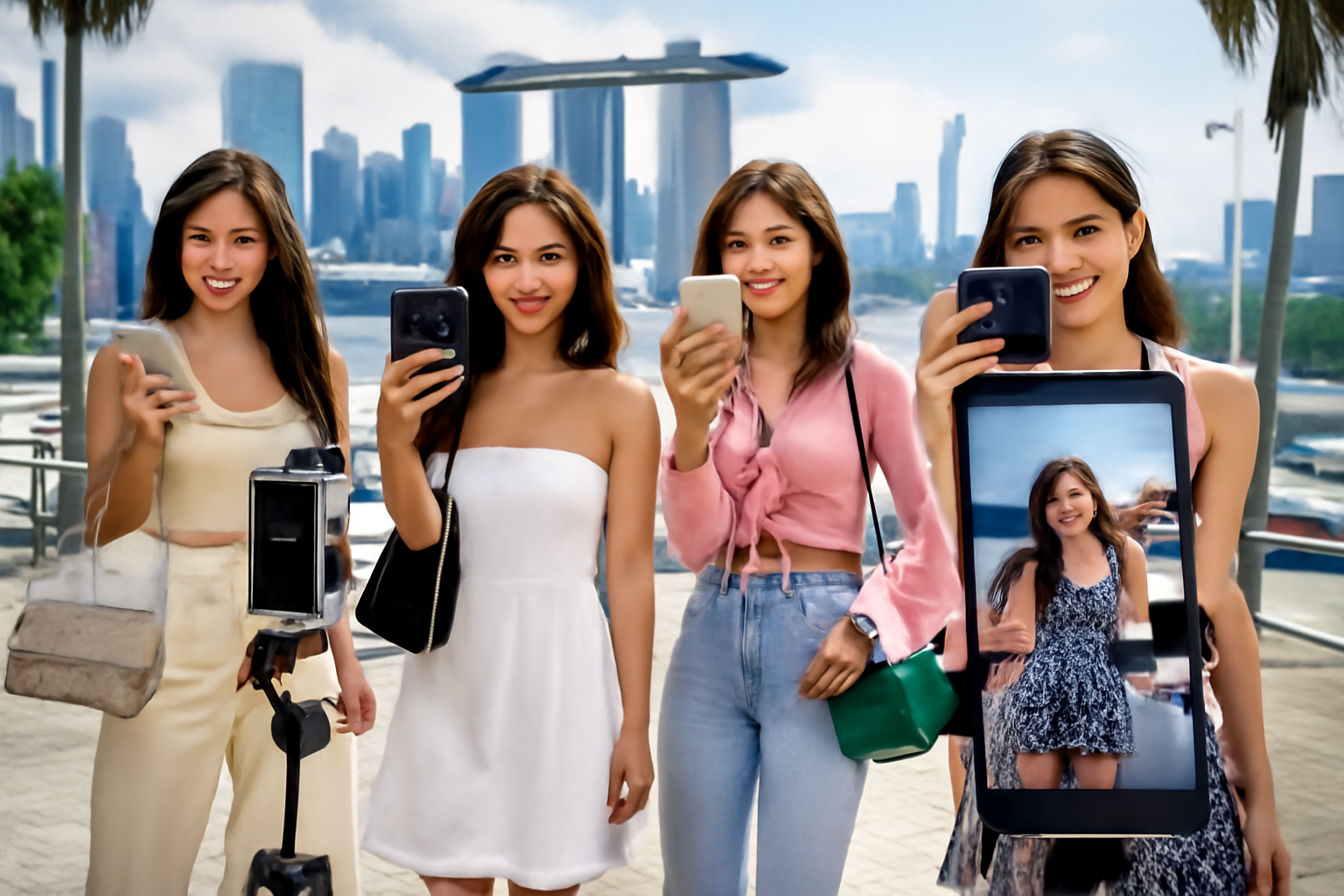
How Social Media is Shaping Fashion Trends in Singapore
Social media has revolutionized the way fashion trends emerge and spread worldwide. In Singapore, a global fashion epicenter, social media plays a...
Read out all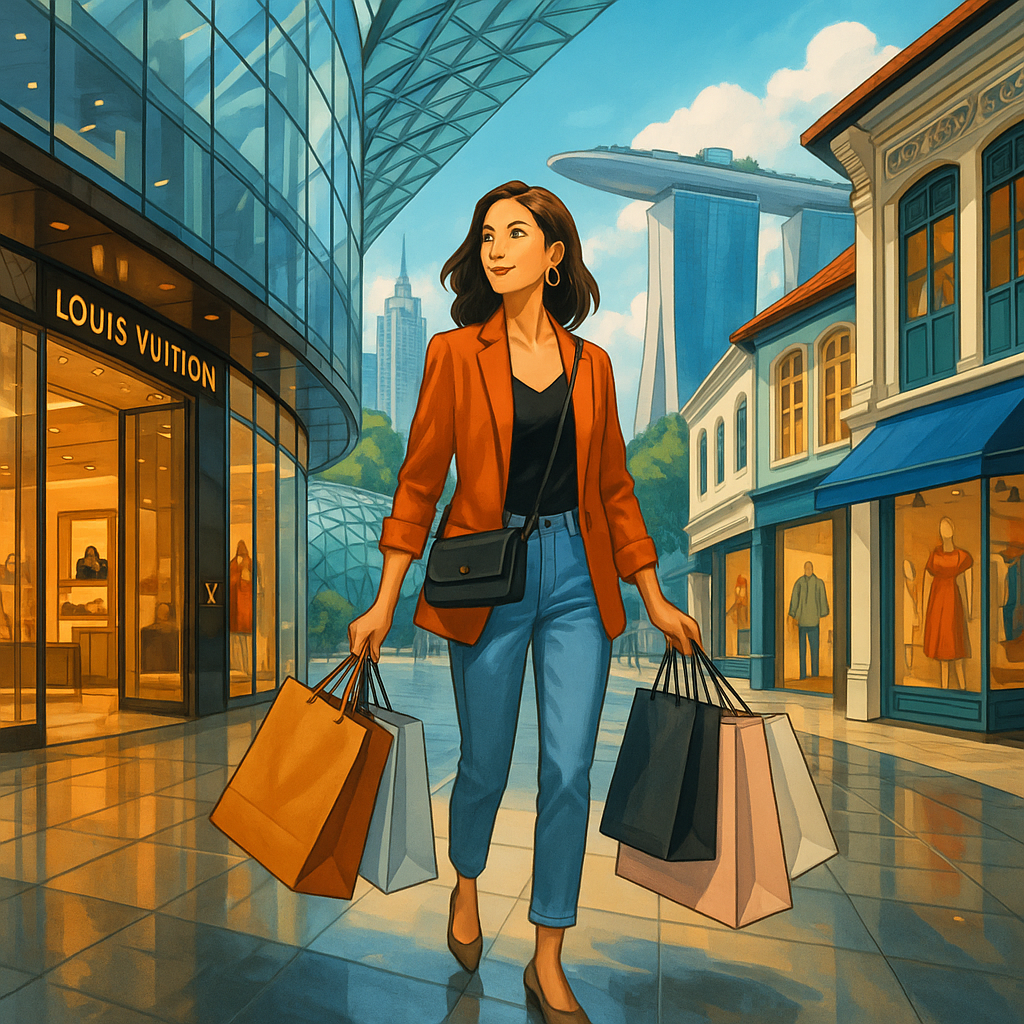
Top Fashion Spots in Singapore: A Deep Dive into the City’s Malls
Singapore’s fashion identity is shaped by its role as a global crossroads. The city blends Asian influences with Western trends, and its...
Read out all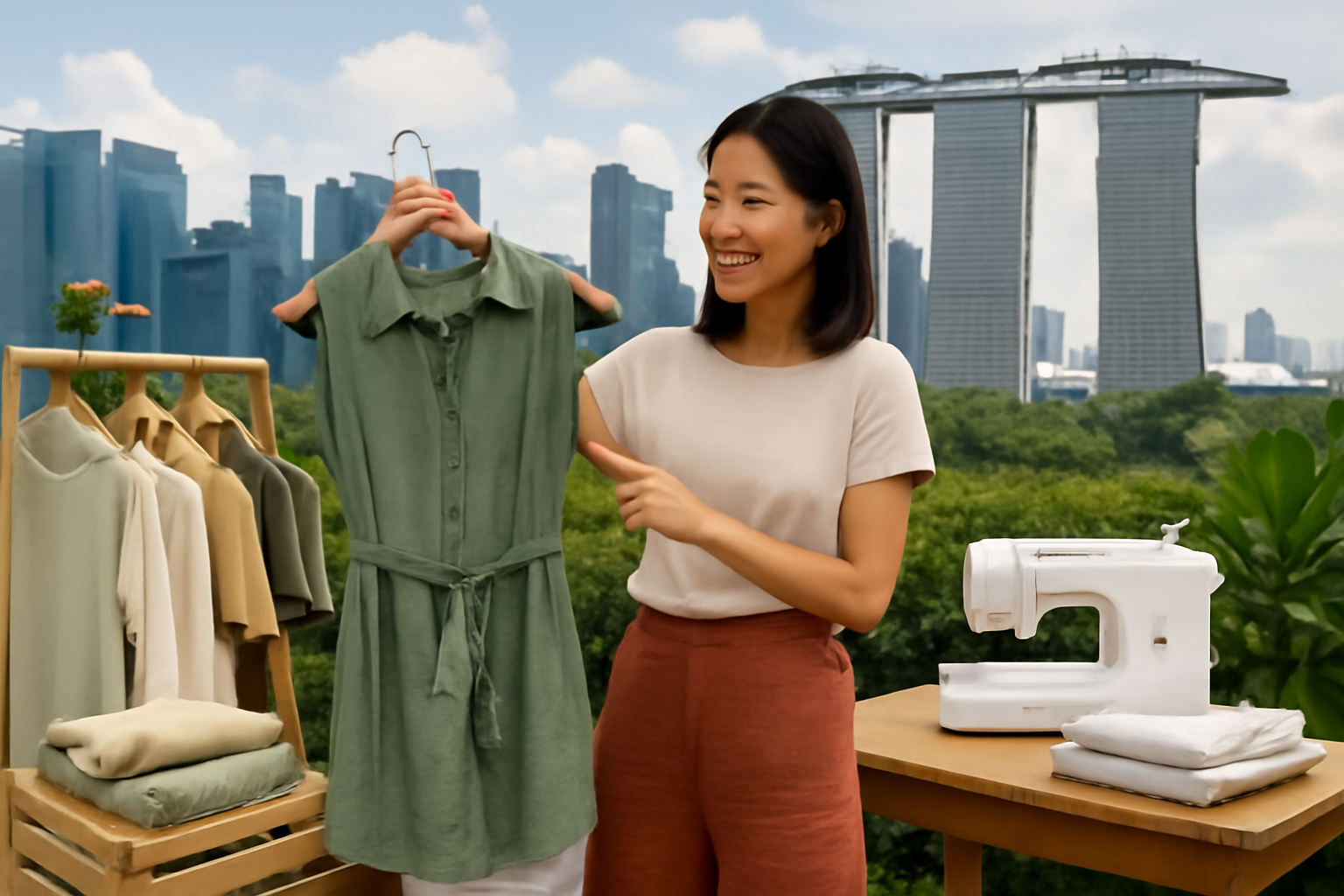
Sustainable Fashion in Singapore: Charting a Greener Path for the Fashion Industry
The fashion industry in Singapore is undergoing a profound transformation as sustainability becomes a core focus for both consumers and businesses. In...
Read out all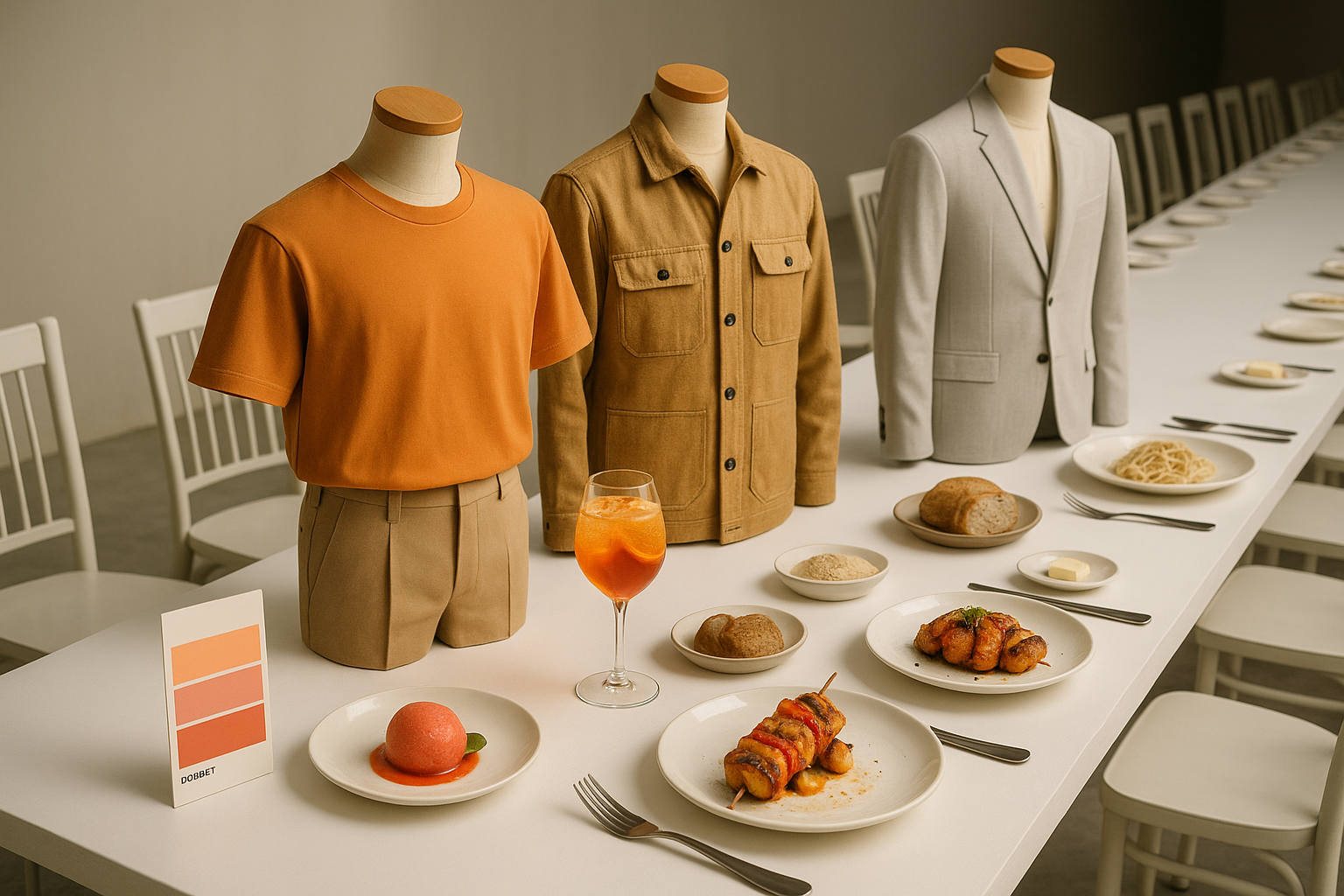
Threads and Tastes: Designing Cross‑Sensory Brand Moments
Food and fashion share the same stagecraft: color theory, texture, and seasonal rhythm. Bringing them together lets marketers orchestrate experiences that lodge...
Read out all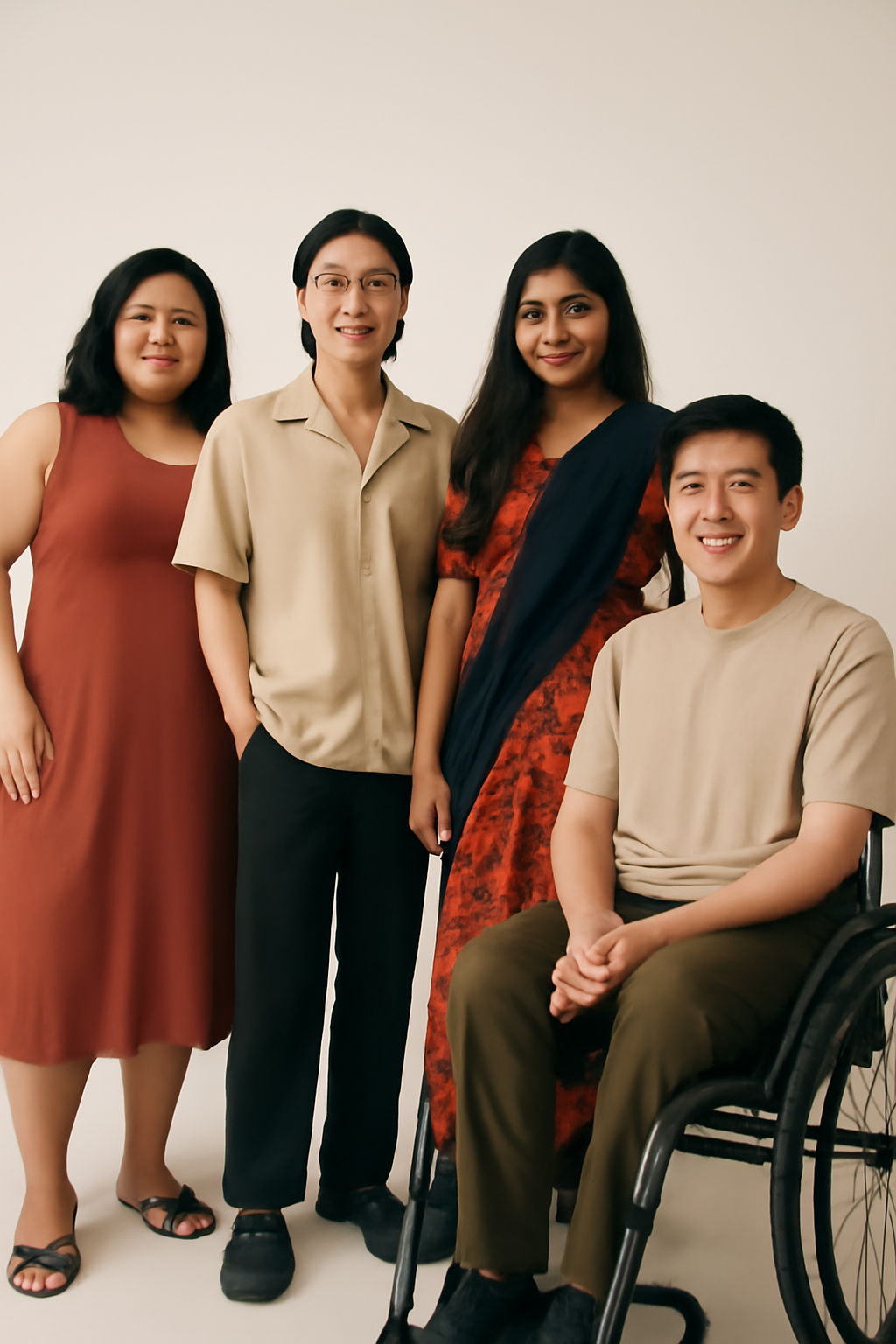
Fashion for All: The Role of Inclusivity in Singapore’s Fashion Scene
Singapore’s fashion industry is undergoing a significant transformation, as the concept of inclusivity continues to gain momentum across the city-state. For decades,...
Read out all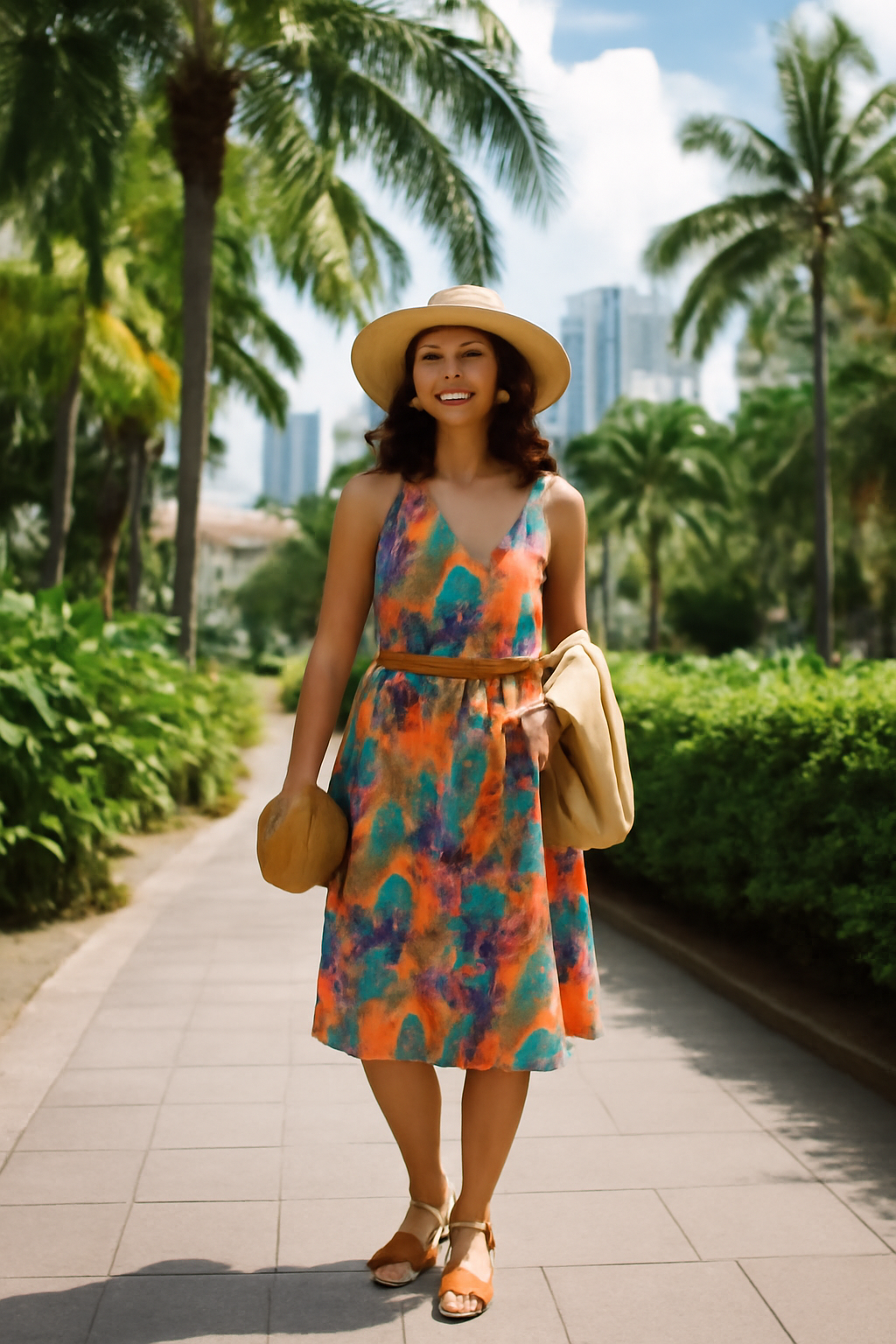
Dressing for the Heat: Summer Fashion Tips for Singapore’s Tropical Climate
With Singapore’s consistent tropical heat, fashion enthusiasts must prioritize both style and practicality. The hot and humid weather creates a challenge for...
Read out all