- 0
- 579 words
Singapore as a Crossroads for Live Performance
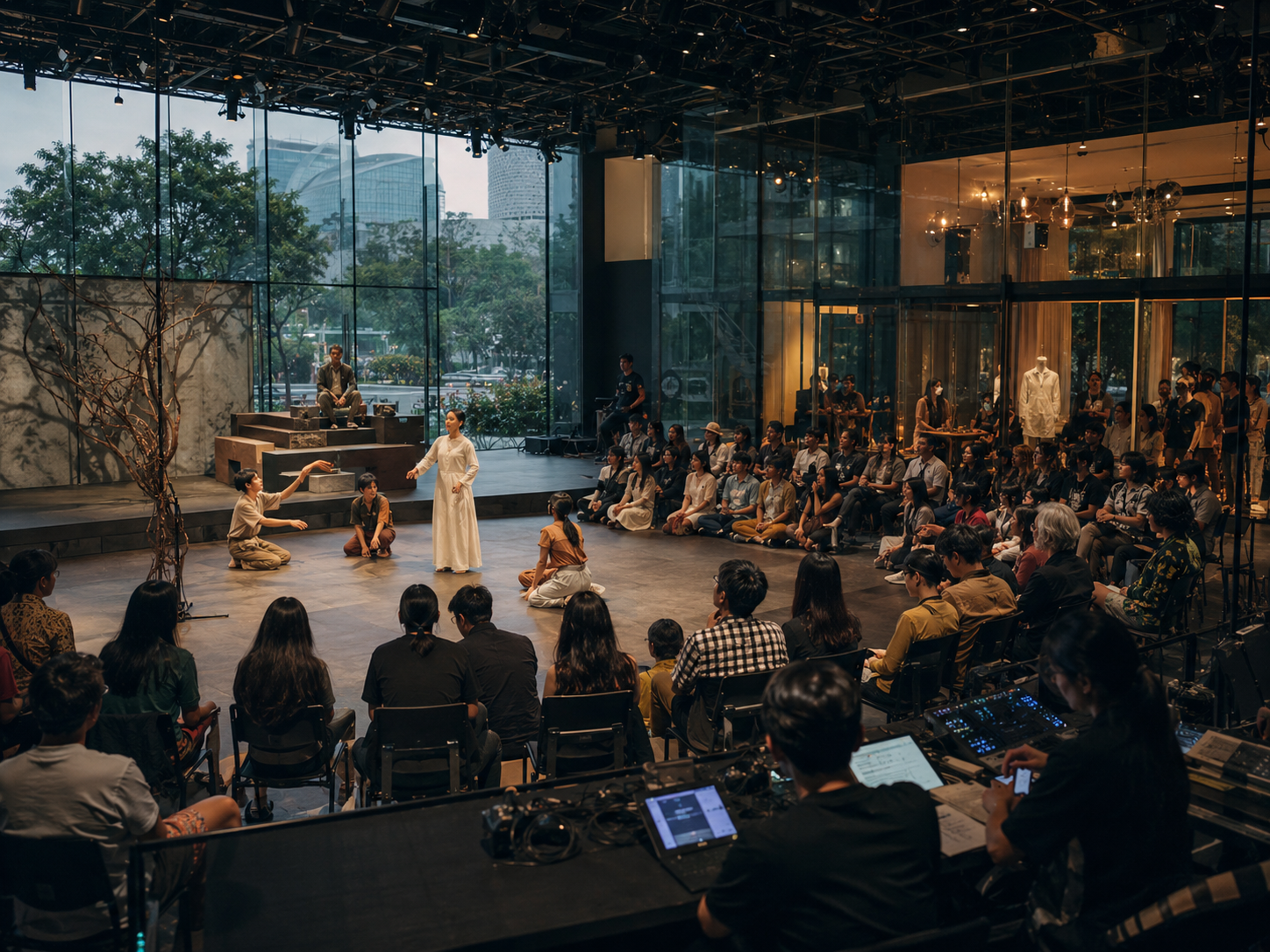
Theatre in Singapore in 2026 reflects the city itself: compact in geography, international in outlook and layered with cultural influences. A single season can bring together contemporary Asian drama, experimental performance, established classics and work developed by local theatre-makers.
This combination matters because Singapore occupies an unusual position in the regional arts landscape. It has infrastructure capable of hosting major productions while also supporting smaller spaces where new ideas can be tested. The contrast gives audiences access to both spectacle and intimacy.
Rather than treating theatre as a secondary tourist activity, visitors can use performance as a way to understand the city’s social and cultural complexity.
Festivals Create a Window Into Contemporary Ideas
Arts festivals play an important role in connecting Singapore with broader conversations in theatre, dance, music and interdisciplinary performance. The Singapore International Festival of Arts is among the key reference points for audiences interested in ambitious work from Singapore and beyond.
Current editions and programming should be checked through the official Singapore International Festival of Arts website. Festival schedules evolve, so direct verification is particularly important for anyone planning a 2026 cultural itinerary.
The significance of a festival is not limited to the number of shows presented. Festivals can create temporary meeting points where artists, audiences and ideas from different countries interact. A performance may combine theatre with film, installation, sound or digital technology, challenging traditional definitions of what a stage production should be.
Local Stories Give the Scene Its Distinct Identity
International work may attract attention, but local storytelling provides Singapore theatre with its strongest sense of place.
Beyond the Image of the Global City
Singapore is often described through economic success, modern architecture and efficiency. Theatre can examine the human experiences beneath those familiar images. Plays may focus on family obligations, cultural memory, language, social change or the tension between personal ambition and collective expectations.
These themes make theatre especially useful for audiences seeking deeper cultural insight. A visitor may spend the day seeing the physical city and the evening watching artists debate what living in that city actually means.
The stage can therefore become a form of cultural interpretation rather than simple entertainment.
Multilingualism Expands the Creative Possibilities
Singapore’s linguistic diversity influences both the content and rhythm of performance. Theatre-makers can move between languages, cultural references and storytelling traditions. Even when a production is primarily presented in English, its humour, social context and emotional texture may still be shaped by a multilingual environment.
This creates an experience that is difficult to reproduce elsewhere. The international accessibility of Singapore theatre does not necessarily require the loss of local specificity. In many cases, the strongest productions are those that remain firmly connected to place.
New Audiences Are Changing Expectations
Theatre audiences increasingly discover performances through digital platforms, social media clips and cultural recommendations rather than traditional listings alone. This changes how productions attract attention, but live theatre still offers something digital media cannot fully reproduce: a shared event unfolding in real time.
In 2026, that sense of presence may be one of theatre’s greatest strengths. Audiences are not simply watching a story. They are sharing a room with performers and strangers, responding collectively to something that can never be repeated in exactly the same way.
Singapore’s most compelling stage experiences emerge from this combination of international exchange, Asian perspectives and immediate human connection. The result is a theatre culture that can feel global without becoming culturally anonymous.
Author

Clara@gmail.com
Related Posts
Inside The Kallang’s Strategy to Become Asia’s Premier Concert Destination
- 0
- 427 words
From Sports Hub to Entertainment Powerhouse The National Stadium at The Kallang has hosted Taylor Swift, Coldplay, and Blackpink in recent years....
Read out all
Beyond K-Pop: The K-WAVE × AIGC Alliance and Singapore’s Role in AI-Driven Asian Entertainment
- 0
- 476 words
A Trilateral Bet on the Future of Content At the 20th Busan Content Market in June 2026, a quiet signing ceremony took...
Read out all
The Rise of Independent Artist Management in Singapore: Tasha Low and the New Autonomy Model
- 0
- 606 words
A Defining Moment in Singapore’s Talent Management Landscape When Tasha Low announced her departure from WILD Entertainment Group in August 2026 after...
Read out all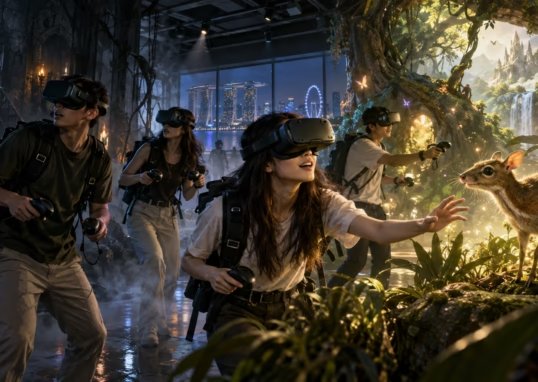
Beyond the Headset: Location-Based VR Redefines Narrative Entertainment in Singapore
- 0
- 500 words
HavenXR: Where Cinema Meets Gaming Singapore has long positioned itself at the intersection of entertainment, innovation, and technology. The next evolution of...
Read out all
Inside Singapore’s Influencer Economy: When Entertainment Content Becomes the Most Powerful Ad Format
- 0
- 717 words
The Creator-Led Advertising Boom Singapore’s advertising industry is witnessing a quiet revolution, and its driving force isn’t a new media platform or...
Read out all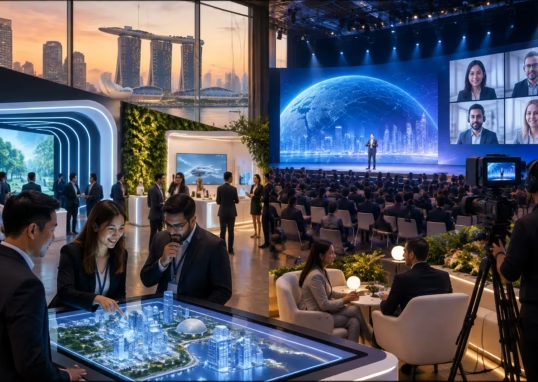
Inside Singapore’s MICE Powerhouse: Event Organizers Driving a $3.5 Billion Industry
- 0
- 486 words
Singapore has cemented its position as Asia’s undisputed MICE (Meetings, Incentives, Conferences, and Exhibitions) capital. In 2026, the sector is on track...
Read out all