- 0
- 1,150 word
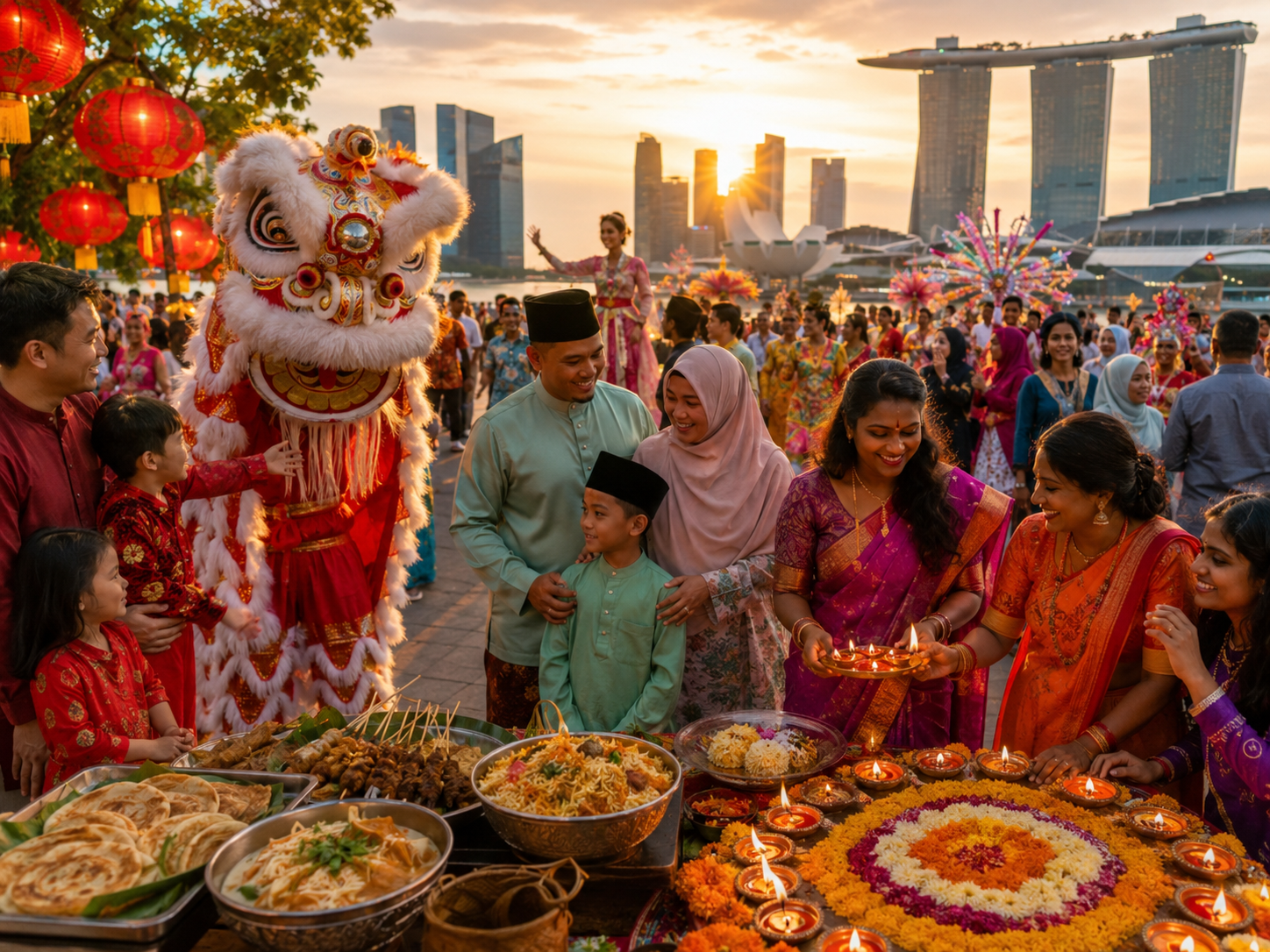
Singapore is one of the most accessible places in Asia to experience cultural events in a meaningful way. Within a single city, you can walk through lantern-lit streets during Chinese New Year, explore bustling Hari Raya bazaars, admire the vibrant lights of Deepavali in Little India, or experience traditional performances and modern arts festivals.
For visitors, students, young professionals, couples, and families, these cultural events are more than seasonal entertainment. They reflect how Singapore’s multicultural society—shaped by Chinese, Malay, Indian, Eurasian, Peranakan, and other communities—continues to preserve traditions while sharing public spaces in a modern urban environment.
The key to enjoying these events is not just showing up, but understanding what they represent and how to engage with them respectfully. Event dates and programmes can also change yearly, so it is always best to confirm details through official sources such as Visit Singapore or the National Heritage Board before planning your trip.
Official references for planning:
Why Singapore’s Cultural Events Matter
Cultural events in Singapore are deeply connected to everyday life. They are not isolated festivals but part of how communities express identity, faith, gratitude, and heritage.
What makes Singapore unique is how visible these traditions are in public spaces. Neighborhoods like Chinatown, Little India, and Kampong Gelam transform throughout the year into cultural hubs filled with decorations, food stalls, performances, and community activities.
For visitors, this creates an opportunity to experience multiple cultures within a short time. But the deeper value comes from understanding the meaning behind each celebration, not just enjoying the visuals.
Major Cultural Events in Singapore
Singapore hosts cultural events throughout the year, but several key celebrations stand out for their cultural and historical importance.
Chinese New Year
Usually held in January or February, Chinese New Year is one of the most widely celebrated festivals in Singapore. Chinatown becomes the focal point, with red lanterns, night markets, and lion dance performances.
Beyond the decorations, the festival represents family reunion, renewal, and prosperity. Visiting during this period means experiencing both festive energy and large crowds, especially in the evenings.
Hari Raya Aidilfitri
Hari Raya marks the end of Ramadan for the Muslim community. Geylang Serai is one of the most popular places to experience the celebration, with festive lights, bazaars, and traditional food.
The festival is rooted in gratitude, forgiveness, and family gatherings. Visitors are welcome in public spaces but should remain mindful of its religious significance.
Deepavali
Deepavali, the Festival of Lights, is celebrated in October or November. Little India becomes one of the most visually striking areas in Singapore, filled with decorative arches, flower garlands, sweets, and cultural performances.
The festival symbolizes the victory of light over darkness and good over evil. When visiting temples or religious spaces, modest clothing and respectful behavior are important.
Thaipusam
Thaipusam is a Hindu devotional festival that can be emotionally powerful to witness. Devotees carry kavadis or offerings as acts of faith and commitment.
Visitors should observe quietly, avoid interrupting processions, and be respectful when taking photographs.
Vesak Day
Vesak Day commemorates the birth, enlightenment, and passing of the Buddha. Temples across Singapore hold prayers, chanting, and offerings.
It is a calm and reflective occasion, so quiet behavior and respectful movement are expected in religious spaces.
Mid-Autumn Festival
This festival is known for lantern displays, mooncakes, and family gatherings. Chinatown and Gardens by the Bay often feature themed installations and cultural activities.
It is one of the most family-friendly cultural events, especially enjoyable in the evening.
National Day
Celebrated on 9 August, National Day is Singapore’s most important national event. It features parades, fireworks, and performances that reflect national identity and unity.
Unlike religious festivals, it is civic in nature and widely celebrated across all communities.
How to Experience Traditions Respectfully
Understanding cultural context improves every visit. Singapore’s cultural events are open and welcoming, but some take place in sacred or sensitive environments.
Before attending an event, check whether it is public, religious, or ticketed. This helps you prepare appropriately in terms of clothing, timing, and behavior.
Simple etiquette matters:
- Wear modest clothing when visiting temples or mosques
- Remove shoes where required
- Avoid blocking rituals or processions
- Ask before taking close-up photos of people
- Keep noise levels low in religious spaces
Food is also a major part of cultural experiences. During festivals, trying traditional snacks or seasonal dishes is one of the easiest ways to connect with local culture.
Practical Checklist for Visitors
- Check official event dates before visiting
- Arrive early to avoid peak crowds
- Use public transport whenever possible
- Wear comfortable walking shoes
- Bring water for outdoor events
- Respect religious and cultural spaces
- Plan rest breaks during busy festivals
Common Mistakes Visitors Make
One common mistake is treating all festivals as the same type of attraction. Each event in Singapore carries different cultural and religious meaning, and understanding this adds depth to the experience.
Another issue is relying on outdated information. Many festivals follow lunar or religious calendars, so dates and activities change every year. Always verify details from official sources.
Visitors also often underestimate crowds. Popular areas like Chinatown, Little India, and Marina Bay can become very busy during major celebrations, especially in the evenings.
Finally, many people focus only on major festivals and miss smaller cultural experiences such as museum programmes, heritage walks, and local performances, which often provide deeper insight with fewer crowds.
Practical Tips for Planning Your Visit
Start with one or two cultural districts instead of trying to see everything. For example, combine Little India during Deepavali with a visit to a nearby museum, or explore Chinatown during Chinese New Year with a food-focused walking route.
Time of day matters. Morning visits are better for temples and quieter exploration, while evenings are ideal for light-ups and performances.
Budget-wise, many cultural events are free, especially outdoor decorations and street festivals. Costs mainly come from food, transport, and optional ticketed activities.
Leave space in your schedule for spontaneous moments. Some of the most memorable cultural experiences happen naturally—such as live performances, conversations with vendors, or evening light transitions.
FAQ
What are the main cultural events in Singapore?
Key events include Chinese New Year, Hari Raya Aidilfitri, Deepavali, Thaipusam, Vesak Day, Mid-Autumn Festival, and National Day.
When is the best time to visit Singapore for cultural events?
There is no single best time, as events happen year-round. Chinese New Year is usually early in the year, while Deepavali often occurs in October or November.
Are Singapore cultural events suitable for families?
Yes, many events are family-friendly, especially light-ups, festivals, museum activities, and outdoor performances.
Do I need tickets for cultural events?
Many events are free, but performances, workshops, and exhibitions may require tickets or advance booking.
How should visitors behave at religious events?
Dress modestly, respect rituals, avoid disruption, and ask permission before taking close-up photos.
Author

Clara@gmail.com
Related Posts
The Rise of Independent Artist Management in Singapore: Tasha Low and the New Autonomy Model
- 0
- 606 words
A Defining Moment in Singapore’s Talent Management Landscape When Tasha Low announced her departure from WILD Entertainment Group in August 2026 after...
Read out all
Beyond the Headset: Location-Based VR Redefines Narrative Entertainment in Singapore
- 0
- 500 words
HavenXR: Where Cinema Meets Gaming Singapore has long positioned itself at the intersection of entertainment, innovation, and technology. The next evolution of...
Read out all
Inside Singapore’s Influencer Economy: When Entertainment Content Becomes the Most Powerful Ad Format
- 0
- 717 words
The Creator-Led Advertising Boom Singapore’s advertising industry is witnessing a quiet revolution, and its driving force isn’t a new media platform or...
Read out all
Inside Singapore’s MICE Powerhouse: Event Organizers Driving a $3.5 Billion Industry
- 0
- 486 words
Singapore has cemented its position as Asia’s undisputed MICE (Meetings, Incentives, Conferences, and Exhibitions) capital. In 2026, the sector is on track...
Read out all
Beyond Entertainment – The Rise of Hyper-Niche Educational Podcasts in Singapore’s Lifelong Learning Culture
- 0
- 312 words
Audio as a Tool for National Upskilling While Western markets often top the charts with true crime and comedy, Singapore’s podcast ecosystem...
Read out all
Inside Singapore’s 2026 Creative Industry Surge: Designers, Artists, and Digital Creators Drive Growth
- 0
- 388 words
The creative industry in Singapore is experiencing one of its strongest growth phases. Data from the Ministry of Culture, Community and Youth’s...
Read out all