- 0
- 439 words
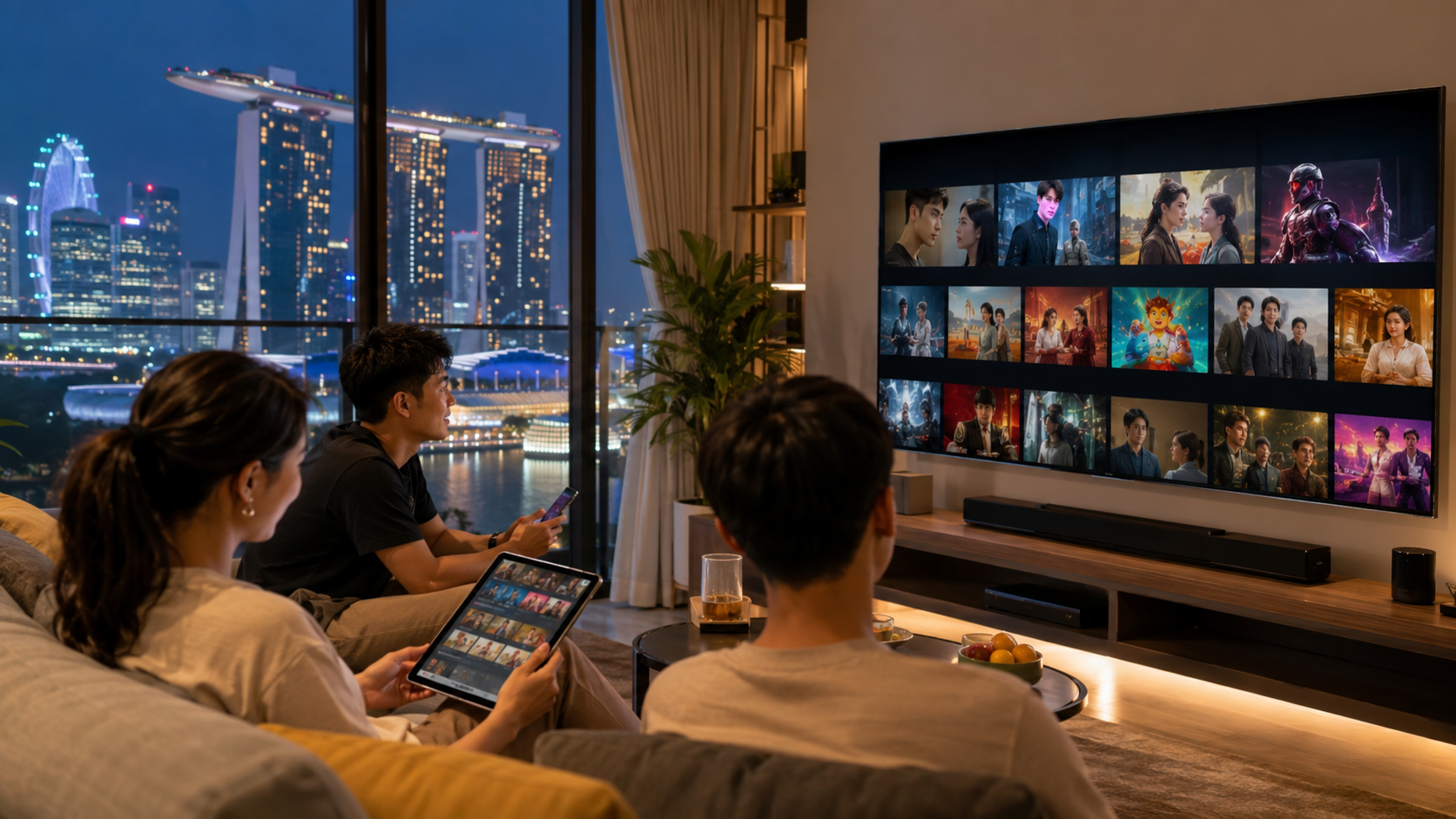
The entertainment industry in Singapore is undergoing a major transformation as over-the-top (OTT) streaming platforms become increasingly integrated into daily life. Unlike traditional broadcasting systems, OTT services deliver content directly through internet connections, giving audiences greater control over what they watch and when they watch it.
This transformation has accelerated because Singapore consumers are highly familiar with digital services. From online banking to e-commerce, the country’s digital-first lifestyle has created ideal conditions for streaming adoption.
The IMDA Digital Society report provides insights into Singapore’s technology usage and media development: https://www.imda.gov.sg
Why Singapore Audiences Prefer Digital Streaming
Convenience Becomes the Main Entertainment Driver
Modern viewers prioritize convenience. Streaming platforms allow users to avoid fixed television schedules and access thousands of movies, documentaries, and series instantly.
Busy urban lifestyles have contributed to this change. Singapore residents often balance demanding work schedules, commuting time, and personal commitments. Streaming provides entertainment that fits individual routines.
The ability to pause, resume, and continue watching across multiple devices has become an essential feature rather than an additional benefit.
Personalized Recommendations Influence Viewing Decisions
Streaming algorithms have changed how audiences discover content. Previously, viewers depended on television guides, advertisements, or word-of-mouth recommendations.
Today, artificial intelligence systems analyze viewing patterns and suggest content based on individual interests. This creates highly personalized entertainment experiences.
However, personalization also creates stronger competition among platforms because users expect accurate recommendations and constantly updated libraries.
Local Creators Enter the Global Streaming Market
Singapore’s creative sector is gaining new opportunities through international streaming distribution. Independent filmmakers and production studios can reach audiences outside the country without depending entirely on traditional broadcasters.
Regional productions have become increasingly valuable because streaming platforms want diverse cultural content. Singapore’s position as a multicultural hub allows creators to develop stories that appeal to both local and international audiences.
Challenges Facing the Streaming Industry
Despite strong growth, streaming companies face several challenges. Subscription fatigue is becoming a concern as consumers manage multiple monthly services.
Many viewers are becoming selective, choosing platforms based on exclusive content, pricing, and overall value.
Competition has also increased as global companies compete with regional platforms offering localized entertainment. Successful providers must continuously invest in original productions and better user experiences.
The Future Direction of Digital Entertainment in Singapore
Singapore’s streaming market represents a broader global movement toward digital entertainment ecosystems. Future growth will likely be influenced by artificial intelligence, interactive content, virtual reality experiences, and stronger regional partnerships.
The transition from traditional media toward streaming is not simply a technology change. It represents a fundamental shift in how audiences experience entertainment in a connected society.
Author

Clara@gmail.com
Related Posts
Singapore’s Help-to-Buy Ticketing Boom Tests the Limits of Consumer Protection in a Scam-Prone Market
- 0
- 789 words
A Grey Zone Between Service and Scalping Help-to-Buy (HTB) ticketing occupies an uncomfortable space in Singapore’s consumer landscape. It is not ticket...
Read out all
Inside The Kallang’s Strategy to Become Asia’s Premier Concert Destination
- 0
- 427 words
From Sports Hub to Entertainment Powerhouse The National Stadium at The Kallang has hosted Taylor Swift, Coldplay, and Blackpink in recent years....
Read out all
Beyond K-Pop: The K-WAVE × AIGC Alliance and Singapore’s Role in AI-Driven Asian Entertainment
- 0
- 476 words
A Trilateral Bet on the Future of Content At the 20th Busan Content Market in June 2026, a quiet signing ceremony took...
Read out all
The Rise of Independent Artist Management in Singapore: Tasha Low and the New Autonomy Model
- 0
- 606 words
A Defining Moment in Singapore’s Talent Management Landscape When Tasha Low announced her departure from WILD Entertainment Group in August 2026 after...
Read out all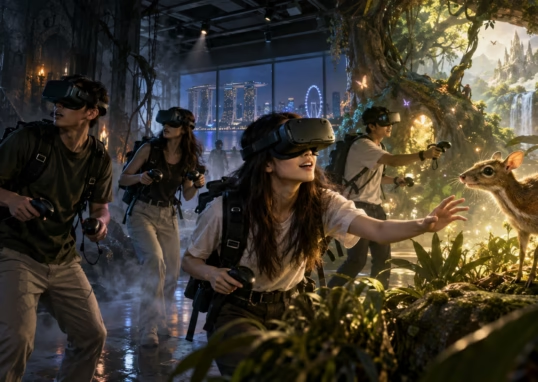
Beyond the Headset: Location-Based VR Redefines Narrative Entertainment in Singapore
- 0
- 500 words
HavenXR: Where Cinema Meets Gaming Singapore has long positioned itself at the intersection of entertainment, innovation, and technology. The next evolution of...
Read out all
Inside Singapore’s Influencer Economy: When Entertainment Content Becomes the Most Powerful Ad Format
- 0
- 717 words
The Creator-Led Advertising Boom Singapore’s advertising industry is witnessing a quiet revolution, and its driving force isn’t a new media platform or...
Read out all