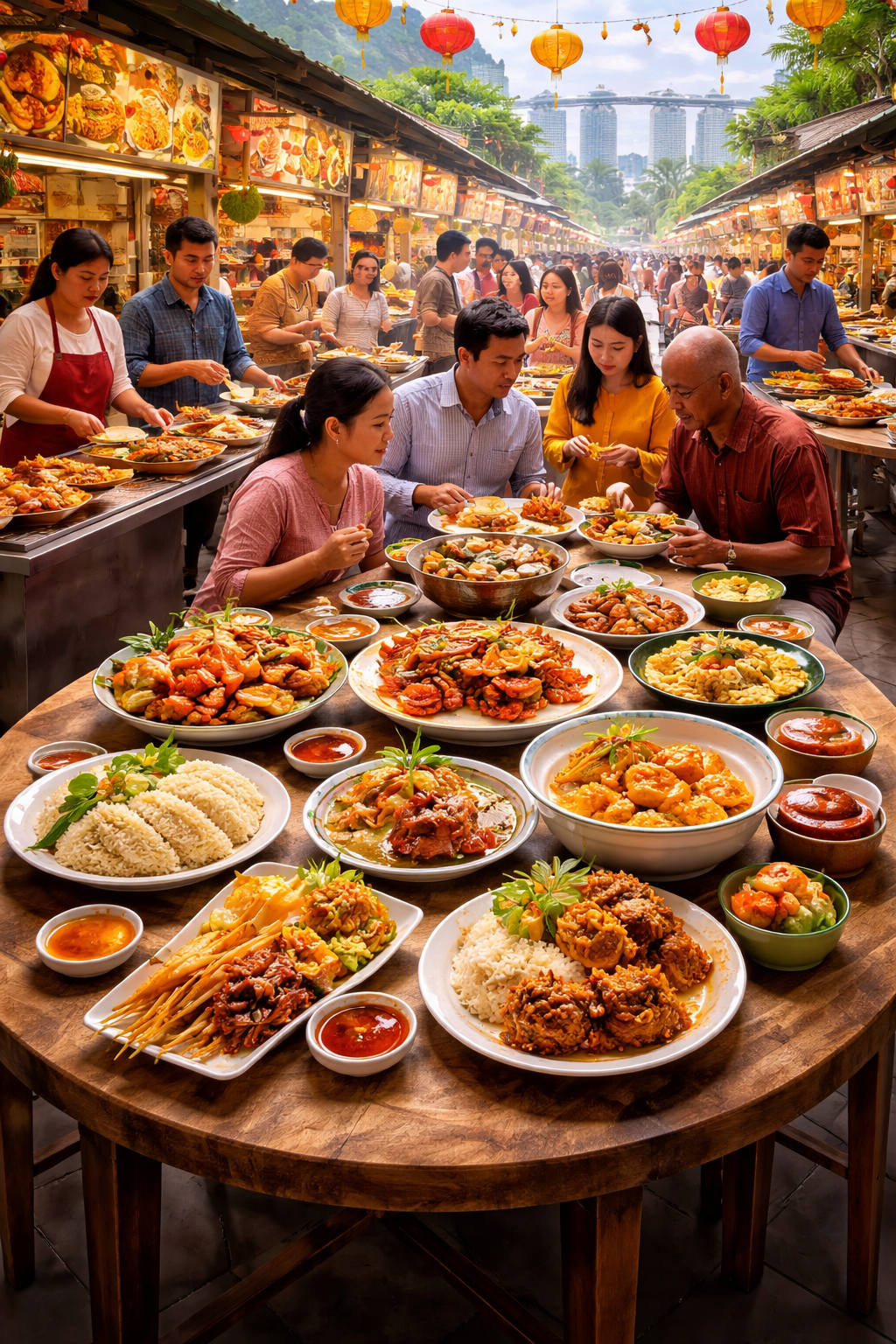
Food in Singapore tells a story far bigger than the plate. It speaks of migration, trade, adaptation, and the everyday interactions of people from different backgrounds. The country’s cuisine is widely admired because it does not belong to a single tradition. Instead, it is shaped by the long-term meeting of Chinese, Malay, Indian, and other cultural communities whose cooking practices have blended into something distinctly Singaporean. This combination of influences gives Singaporean food its depth, variety, and strong sense of identity.
Singapore’s location helped make this culinary development possible. As a major port city, it became a place where people from many regions arrived with their own food customs. These newcomers brought spices, grains, sauces, preservation methods, and cooking habits from their homelands. Once they settled in Singapore, those traditions changed through contact with local ingredients and neighboring communities. Over time, food became one of the clearest areas where cultural exchange could be seen and tasted.
Chinese communities contributed heavily to the foundations of everyday eating in Singapore. Different dialect groups introduced different preferences, which helped create a broad culinary range. Hokkien influences can be seen in noodle dishes and seafood flavors, while Cantonese traditions are visible in roasting techniques, soups, and a focus on freshness. Hainanese migrants are closely linked with chicken rice, a simple dish that reflects the importance of careful preparation, aromatic stock, and balanced seasoning. Soy sauce, tofu, noodles, and rice porridge all show how deeply Chinese food traditions are woven into the local diet.
Malay influence is equally important and gives Singaporean cuisine much of its fragrance and spice complexity. Coconut milk, chili paste, pandan, tamarind, and turmeric are commonly associated with Malay cooking, and these ingredients bring richness and bold character to many dishes. Nasi lemak is a strong example, combining coconut rice with spicy sambal, anchovies, egg, and cucumber. Satay, with its grilled meat and peanut sauce, also demonstrates how flavor in Malay cuisine often combines sweetness, smokiness, and heat. These dishes do more than satisfy hunger; they express regional history and communal food traditions.
Indian culinary culture adds another dimension through its confident use of seasoning and texture. Curries, flatbreads, rice dishes, and lentil-based preparations have become familiar parts of Singapore’s food scene. Roti prata is especially popular because it combines a soft, layered interior with a crisp surface, often served with curry. Biryani and murtabak reveal how Indian Muslim food traditions became integrated into local dining habits. Indian influence is not limited to specific dishes; it has also expanded local appreciation for spice layering, slow cooking, and robust gravies.
One of the clearest examples of cultural interweaving is Peranakan cuisine. Developed by communities of mixed Chinese and Malay heritage, it is known for using Chinese cooking techniques together with Malay herbs and spices. This creates dishes with both structural precision and strong aromatic intensity. Laksa, with its rich coconut broth, noodles, seafood, and chili, is often cited as a symbol of this blend. Nonya desserts and stews also show how food can carry memory, identity, and adaptation all at once.
The space where this diversity becomes most visible is the hawker center. Here, different ethnic food traditions sit side by side, not as separate worlds but as part of one shared public culture. People of all backgrounds eat from the same tables, compare flavors, and become familiar with cuisines outside their own heritage. This daily exposure helps preserve old traditions while also encouraging innovation.
The beauty of Singaporean food lies in its openness. It is not only about inheritance, but also about exchange. The country’s cuisine demonstrates how different ethnic communities can contribute their own strengths and, through contact, create something richer together than any one tradition could produce alone.
Author

Clara@gmail.com
Related Posts
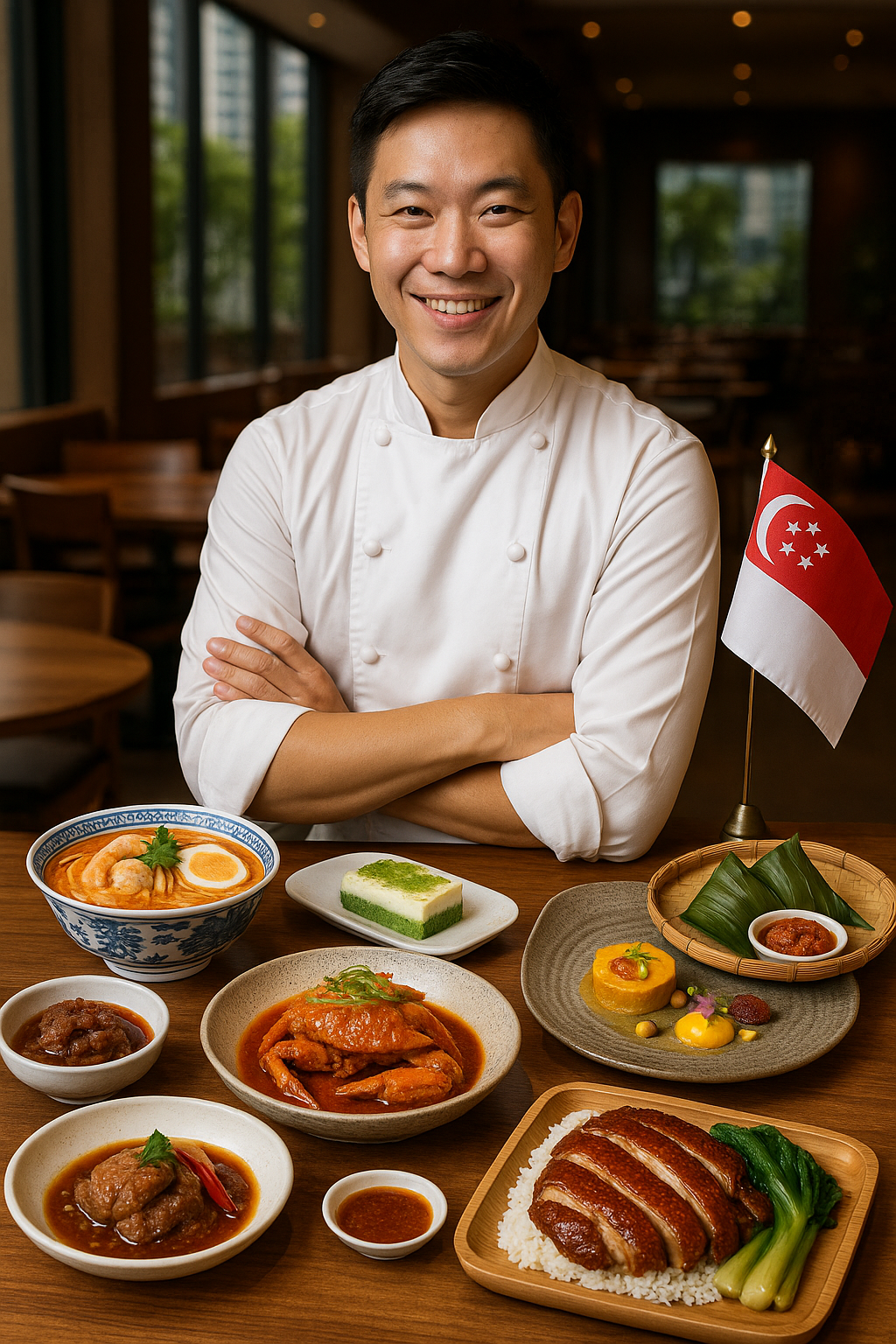
How Singapore’s Chefs Are Redefining Global Dining
The global culinary landscape has become increasingly interconnected, and Singapore’s chefs are right in the middle of this evolution. By combining multicultural...
Read out all
Everyday Halal Eating in Singapore: From Street Food to Special Occasions
For many people, the search for halal food is not just about finding a place to eat; it’s about fitting meals around...
Read out all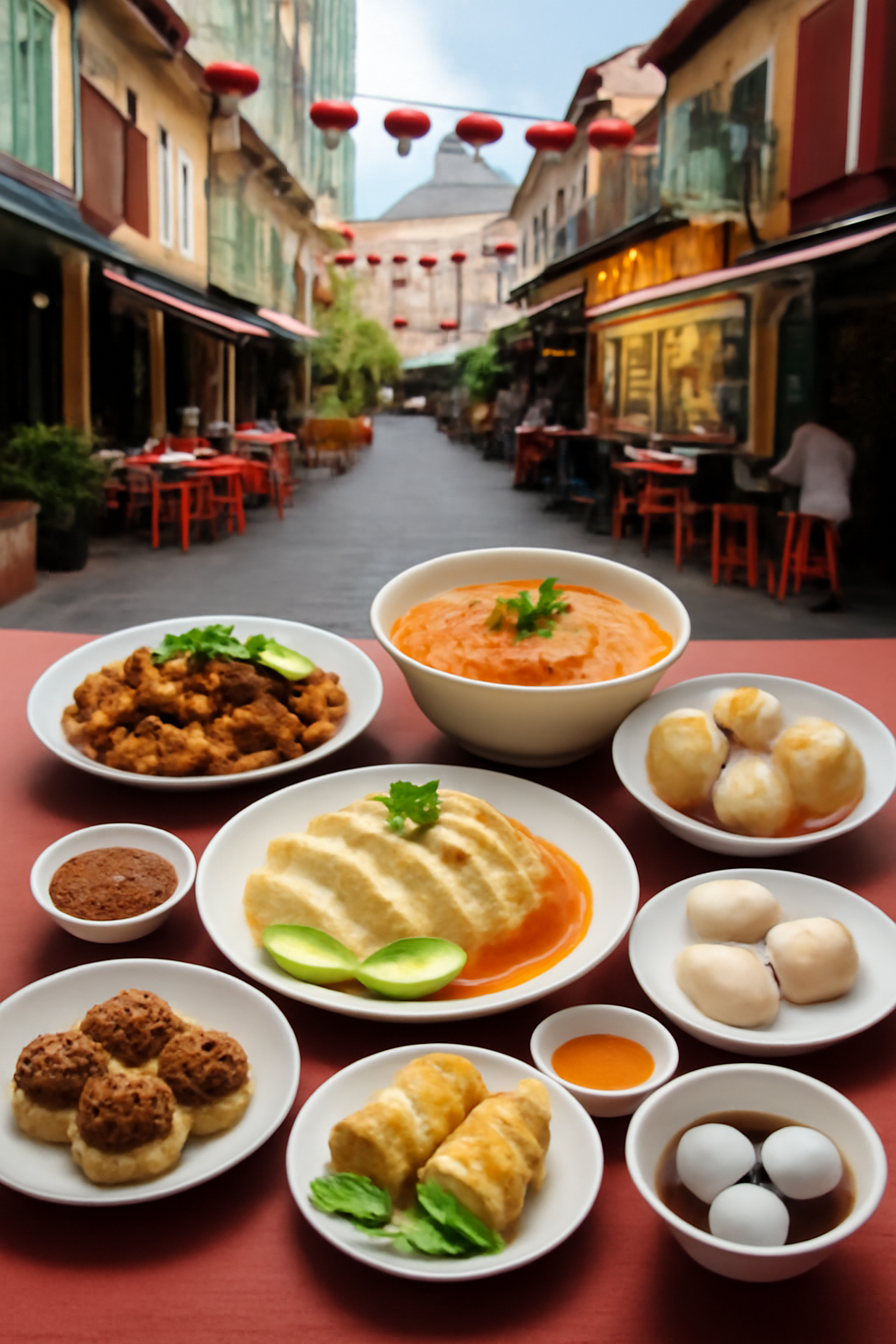
A Culinary Adventure Through Chinatown Singapore’s Iconic Dishes
Chinatown Singapore is a must-visit for anyone seeking an authentic taste of the city’s vibrant food culture. This bustling neighborhood, rich with...
Read out all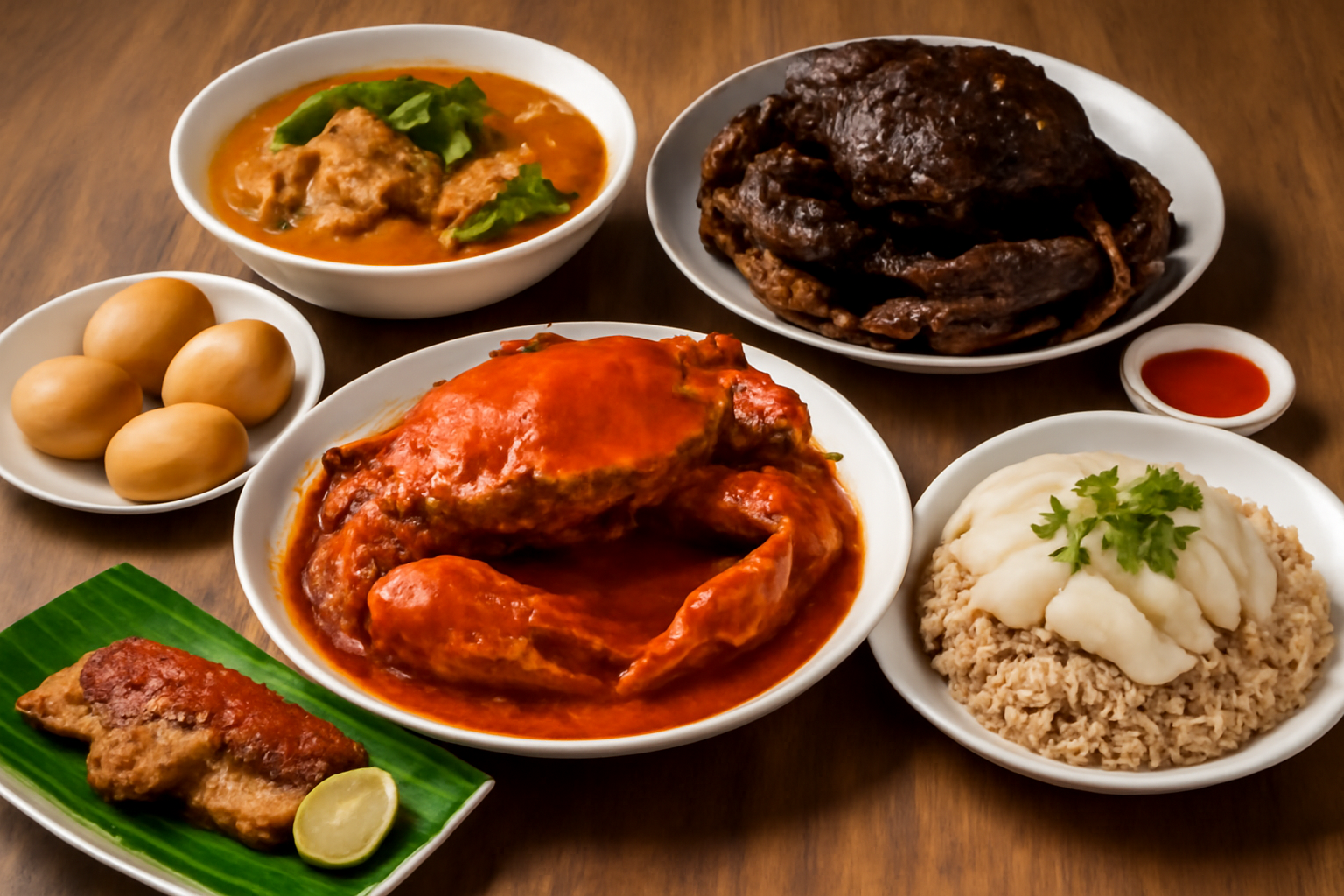
Exploring the Legendary Seafood Delights of Singapore
Singapore is a vibrant metropolis that stands at the crossroads of cultures and cuisines, and when it comes to its food scene,...
Read out all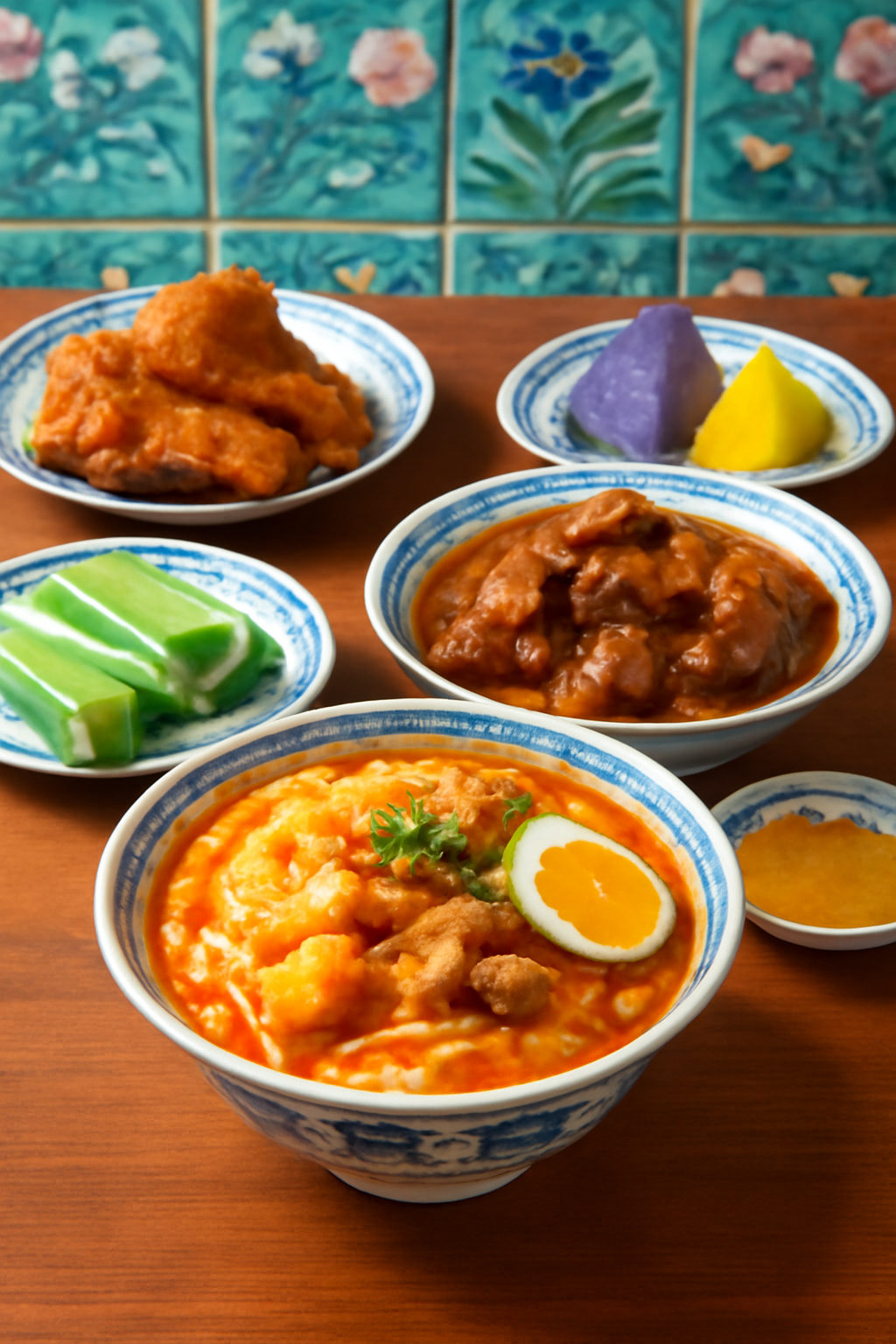
Exploring the Fusion of Malay and Chinese Influences in Peranakan Cuisine of Singapore
Peranakan cuisine, also known as Nyonya cuisine, is one of the most distinctive and fascinating culinary traditions in Singapore, stemming from the...
Read out all
Neighborhood-by-Neighborhood: Where to Eat in Singapore Now
The smartest way to understand Singapore’s best restaurants is to map them to neighborhoods. Each district carries a flavor profile—some polished, some...
Read out all