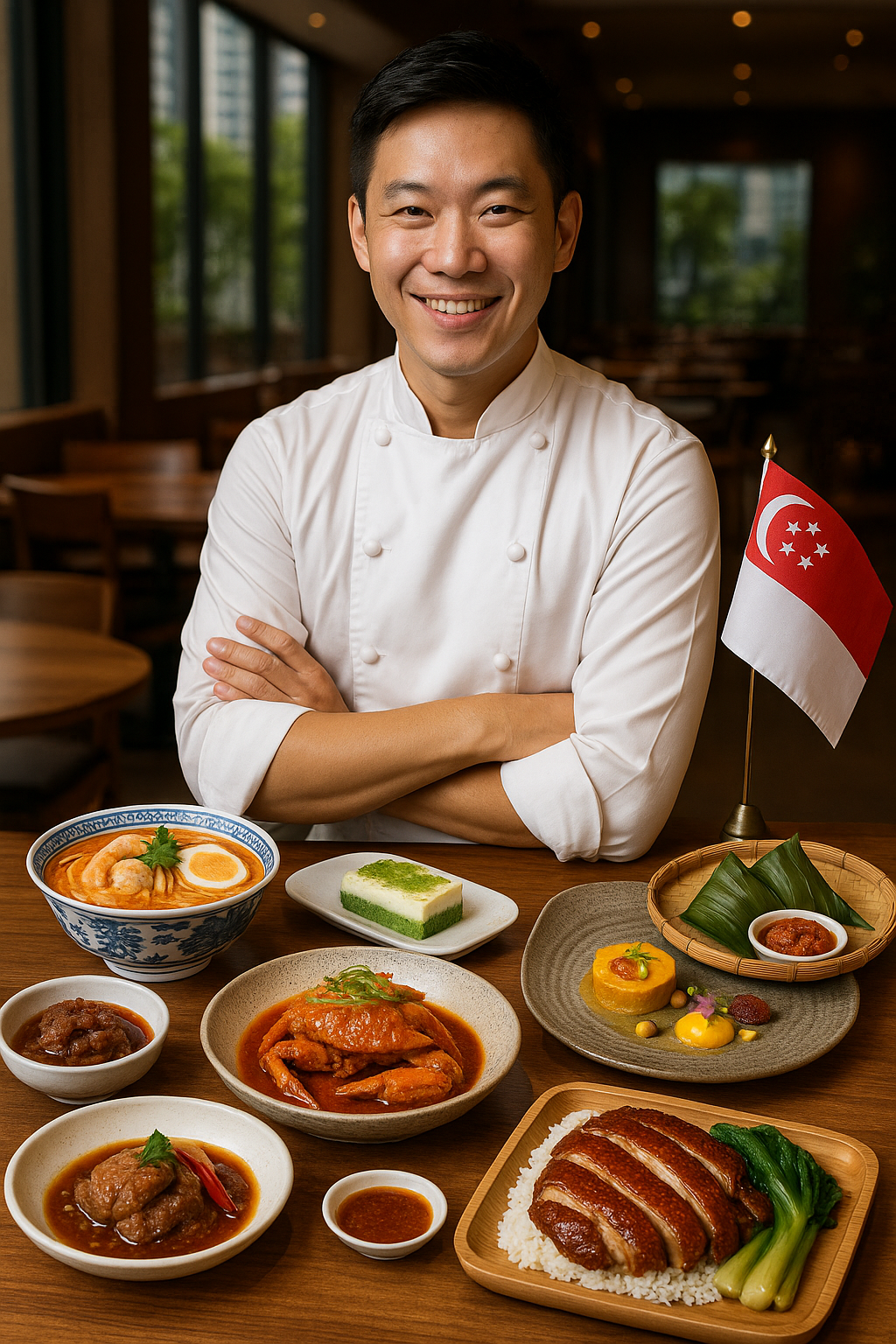
The global culinary landscape has become increasingly interconnected, and Singapore’s chefs are right in the middle of this evolution. By combining multicultural influences with disciplined technique, they have carved out a reputation that far exceeds the nation’s geographic scale. Their restaurants, cookbooks, and collaborations have made Singapore a reference point for food lovers worldwide.
Singapore’s multi-ethnic makeup—Chinese, Malay, Indian, Eurasian, and more—gives its chefs a uniquely rich pantry of flavors. Many of them grew up around hawker centers, where dishes like laksa, chicken rice, and roti prata are everyday staples. Chefs such as LG Han of Restaurant Labyrinth have turned these familiar street foods into modern, inventive plates. His reimagined chilli crab, Hainanese chicken rice, and other classics have earned a Michelin star, proving that comfort food can be translated into fine dining without losing its soul.
The international career paths of Singaporean chefs further enhance their influence. Justin Quek, for instance, spent years in Europe mastering French techniques before returning to Asia. His subsequent menus in Singapore, Shanghai, and Taipei show how foie gras can sit comfortably alongside Asian spices, or how a simple local fish can be transformed with classical sauces. These cross-cultural expressions inspire chefs in other countries who are seeking ways to reinterpret their own local cuisines.
Pastry and dessert specialists have added their own distinctive voice to this global dialogue. Janice Wong’s experimental approach—using chocolate, sugar, and gelatin as sculptural materials—has attracted attention in cities like Tokyo and London. Her collaborations with international hotels, airlines, and retail brands spread Singapore’s creative dessert ethos far beyond its shores. Through her work, the idea of dessert as an immersive, multi-sensory experience has gained wider traction.
Heritage cuisine remains a cornerstone of Singapore’s culinary export. Malcolm Lee’s Candlenut showcases Peranakan food in a polished yet emotionally resonant way, drawing visitors who may have never heard of buah keluak or kueh salat. When food critics and tourists write about these experiences, they help introduce Peranakan culture to audiences worldwide. This ripple effect pushes other chefs and restaurateurs to study Singapore’s food heritage, rather than viewing it as a mere curiosity.
Hawker culture, often considered the heart of Singaporean food, has also been spotlighted through chefs such as Chan Hon Meng of Hawker Chan. His Michelin-starred soy sauce chicken made headlines because it showed that excellence can come from a humble stall with plastic stools and shared tables. The subsequent expansion of the brand into other Asian cities has turned a single hawker dish into an international symbol of Singapore’s accessible yet outstanding cuisine.
Singaporean chefs participate actively in global events such as food congresses, guest chef residencies, and themed culinary festivals. These platforms allow them to showcase national ingredients—like pandan, belacan, and gula melaka—and share stories about hawker culture and local traditions. At the same time, they learn from peers in Scandinavia, Latin America, and the Middle East, bringing new ideas back to Singapore and keeping the city’s restaurant scene fresh and relevant.
In essence, the impact of Singapore’s renowned chefs goes beyond individual awards or rankings. They are rewriting the narrative of what a global food capital can be: not just a city with expensive restaurants, but a place where street food and haute cuisine coexist, where tradition and experimentation inform each other. Through their efforts, Singapore occupies a distinctive and increasingly influential position in the international culinary conversation.
Author

Clara@gmail.com
Related Posts
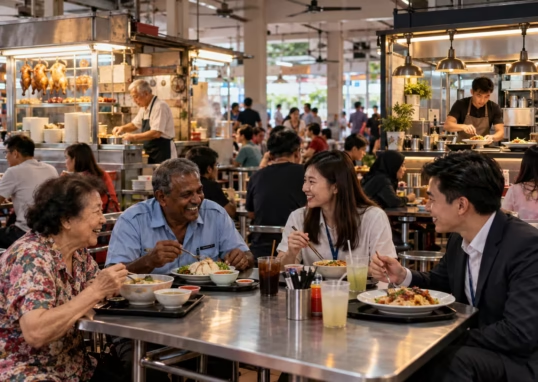
Heritage Under Pressure: Can Neo-Hawker Cuisine Save Singapore’s UNESCO Food Culture?
- 0
- 407 words
The Succession Crisis Nobody Talks About Singapore’s hawker culture is a UNESCO-listed intangible cultural heritage, but its future is far from secure....
Read out all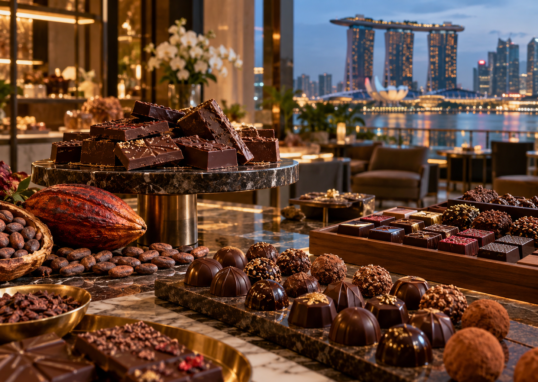
Inside Singapore’s Bean-to-Bar Revolution: The Artisans Redefining Chocolate Craft
- 0
- 535 words
From Supermarket Shelves to Craft Workshops Singapore’s artisanal chocolate movement has evolved from a niche curiosity into a formidable force within the...
Read out all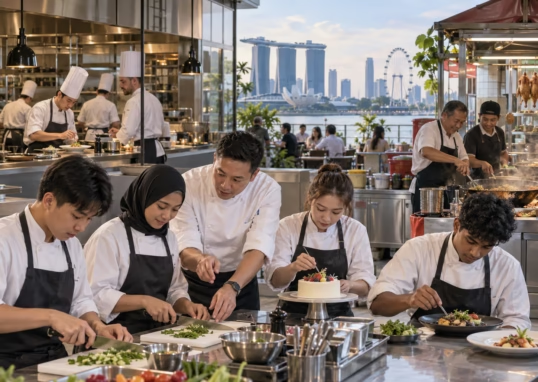
At-Sunrice GlobalChef Academy and the “East-Meets-West” Chef Training Model
- 0
- 437 words
At-Sunrice GlobalChef Academy occupies a distinct position in Singapore’s culinary education market: it is neither a government technical institute nor a traditional...
Read out all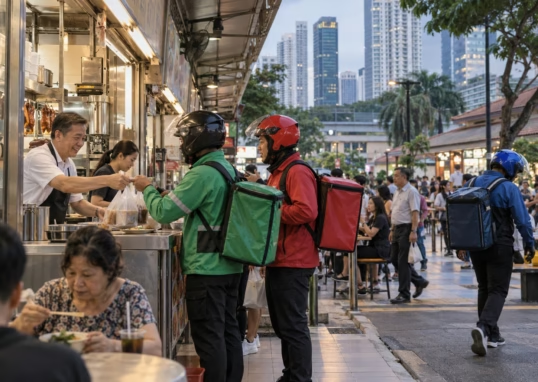
Quick Commerce Revolution: How Singapore’s Grocery Delivery Market Is Reshaping Urban Convenience
- 0
- 431 words
The Speed Economy Comes to Singapore’s Groceries Singapore’s relationship with grocery shopping is undergoing a fundamental transformation. What was once a weekly...
Read out all
Cultivated Beef Meets Frozen Formats: Singapore’s Regulatory Breakthrough Opens New Product Frontiers
- 0
- 474 words
A Regulatory First That Ripples Through the Freezer Aisle In August 2026, the Singapore Food Agency approved Aleph Farms’ cultivated thin-cut steak...
Read out all
Why Korean Convenience Store Culture and Street Food are Taking Over Singapore’s Snack Scene
- 0
- 448 words
While high-end Korean restaurants capture the attention of critics, the true penetration of Korean culture in Singapore is happening on the streets...
Read out all