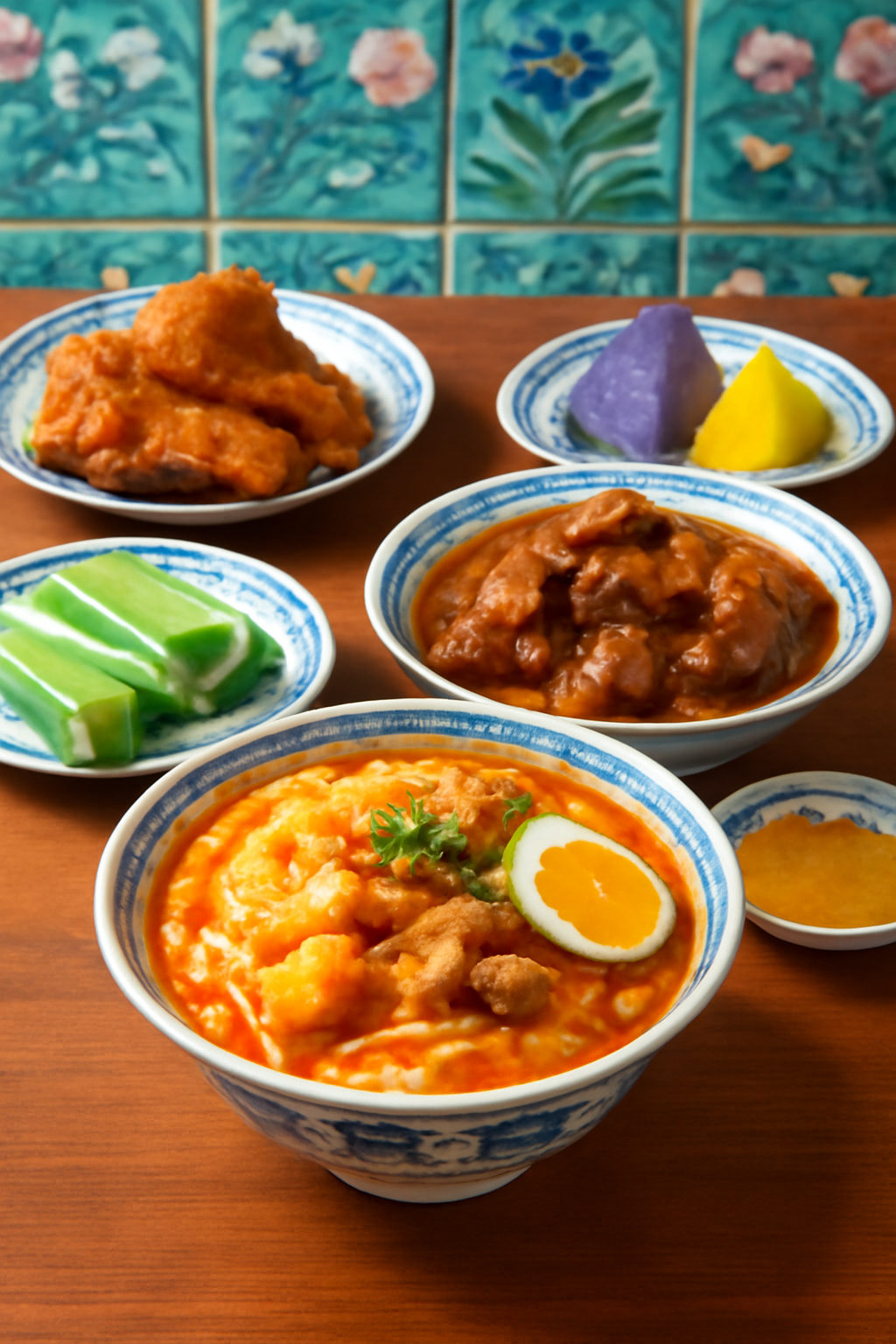
Peranakan cuisine, also known as Nyonya cuisine, is one of the most distinctive and fascinating culinary traditions in Singapore, stemming from the harmonious blend of Malay and Chinese influences. This fusion cuisine emerged as a result of the intermarriage between Chinese immigrants, particularly those from the southern regions of China, and local Malays over several centuries. As a result, a new ethnic group known as the Peranakans or Straits Chinese was born, and with them, a unique and rich culinary heritage that continues to shape Singapore’s food culture.
The roots of Peranakan food can be traced back to the 15th and 16th centuries when Chinese merchants and settlers arrived on the Malay Peninsula, including Singapore. These Chinese immigrants brought their culinary practices and ingredients with them, but they also adapted and integrated local Malay flavors and techniques. The result was a vibrant cuisine that married Chinese cooking methods with the bold spices and seasonings of Malay cuisine, producing a rich and aromatic dining experience.
Peranakan dishes are renowned for their complexity, often combining a mixture of sweet, sour, salty, and spicy flavors that come together to create a rich sensory experience. For example, laksa, one of the most famous Peranakan dishes, is a spicy noodle soup with a coconut milk-based broth. The dish combines Chinese noodles with the aromatic richness of Malay spices like turmeric, lemongrass, and chili. Another iconic dish is babi pongteh, a braised pork dish that uses fermented soybeans and a variety of local spices to create a flavorful and comforting stew.
In addition to savory dishes, Peranakan cuisine is also known for its wide range of sweets and desserts. Kueh are bite-sized, colorful delicacies that showcase the use of ingredients like coconut milk, pandan leaves, and mung beans. These treats are typically served at celebratory events and offer a perfect blend of sweetness and texture. Kueh talam, a layered dessert made of pandan-flavored and coconut milk layers, is a favorite among locals and visitors alike.
The essence of Peranakan cuisine lies not only in the ingredients but also in the meticulous cooking techniques. Slow cooking, braising, and stir-frying are commonly used to extract the full depth of flavors, with an emphasis on ensuring that every ingredient harmonizes with the others. The skillful blending of spices and herbs is key to achieving the balance that defines Peranakan food.
Today, Peranakan cuisine is an integral part of Singapore’s food culture, reflecting the country’s multicultural identity. While many traditional recipes are still cherished and passed down through generations, contemporary chefs continue to innovate, creating modern variations while maintaining the essence of Peranakan flavors. For anyone seeking to explore the culinary history and cultural diversity of Singapore, Peranakan food provides a delicious and immersive journey into the island’s heritage.
Author

Clara@gmail.com
Related Posts
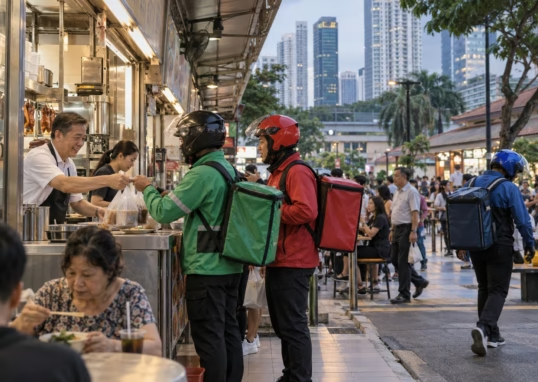
Quick Commerce Revolution: How Singapore’s Grocery Delivery Market Is Reshaping Urban Convenience
- 0
- 431 words
The Speed Economy Comes to Singapore’s Groceries Singapore’s relationship with grocery shopping is undergoing a fundamental transformation. What was once a weekly...
Read out all
Cultivated Beef Meets Frozen Formats: Singapore’s Regulatory Breakthrough Opens New Product Frontiers
- 0
- 474 words
A Regulatory First That Ripples Through the Freezer Aisle In August 2026, the Singapore Food Agency approved Aleph Farms’ cultivated thin-cut steak...
Read out all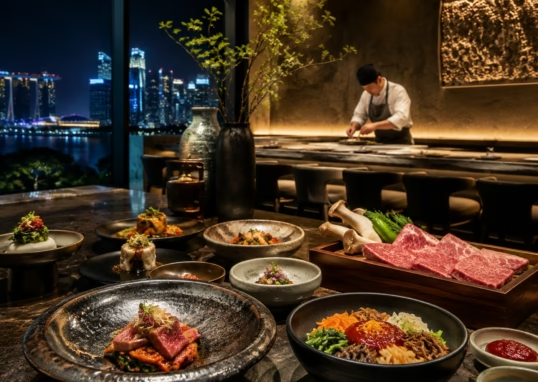
Why Korean Convenience Store Culture and Street Food are Taking Over Singapore’s Snack Scene
- 0
- 448 words
While high-end Korean restaurants capture the attention of critics, the true penetration of Korean culture in Singapore is happening on the streets...
Read out all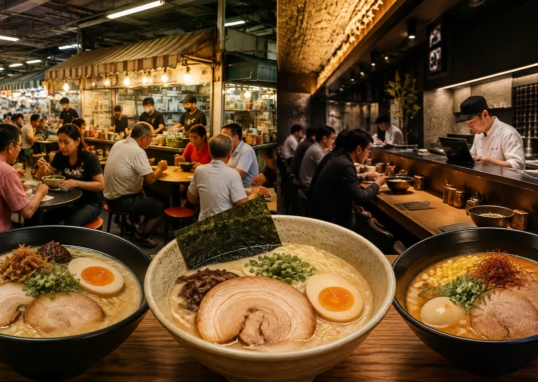
The Omakase Effect: High-End Sushi Dining Transforms Singapore’s Seafood Sourcing and Luxury F&B Scene
- 0
- 359 words
The New Face of Luxury Dining Singapore’s luxury dining scene has long been dominated by European fine dining and modern Asian fusion....
Read out all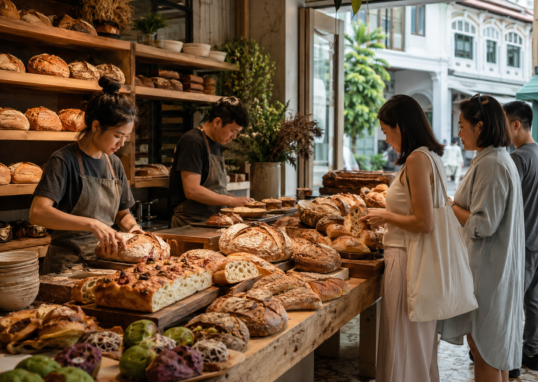
Orh Nee Croissants to Gula Melaka Danishes: How Singapore’s Creative Pastry Chefs Are Redefining Premium Viennoiserie in 2026
- 0
- 474 words
Singapore’s premium pastry sector in 2026 is not simply copying Paris. Local chefs are injecting heritage flavours into classic French techniques, producing...
Read out all
Singapore Culinary Competition 2026: How Restaurant Brands Build Stronger Market Positions Through Innovation and Customer Experience
- 0
- 430 words
Singapore’s Food Scene Evolves Beyond Traditional Dining Singapore has long been recognized as a global food destination where hawker culture, fine dining...
Read out all