- 0
- 789 words
A Grey Zone Between Service and Scalping
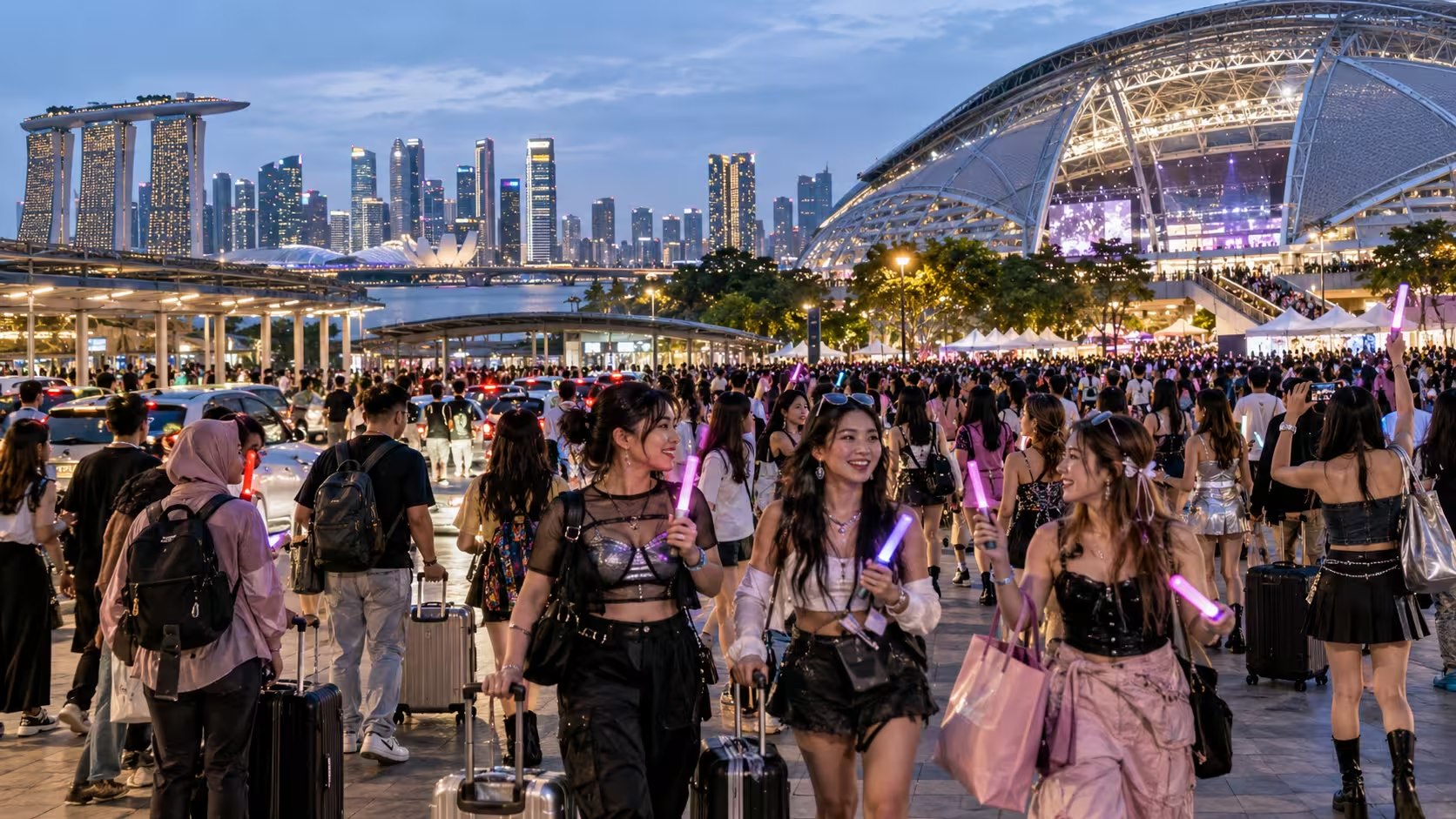
Help-to-Buy (HTB) ticketing occupies an uncomfortable space in Singapore’s consumer landscape. It is not ticket resale in the traditional sense, because the provider does not own the ticket before the sale. It is a service—a paid proxy that joins queues and completes purchases on behalf of fans. That distinction matters legally, but it does little to reassure consumers who cannot tell a professional operator from a scammer until the transaction is complete.
The Singapore government has repeatedly declined to treat ticket resale as inherently unlawful. In a written parliamentary reply in May 2026, Deputy Prime Minister Gan Kim Yong stated that government policy does not prohibit the resale of goods and services, including concert tickets, and that the approach is to safeguard consumers from unfair trading practices and scams rather than ban resale outright. That position leaves HTB services outside a dedicated licensing regime, even as their visibility and pricing power grow.
The Scam Risk Is Real and Measurable
The consumer harm is not hypothetical. Between 1 and 10 June 2026, the Singapore Police Force recorded at least 62 cases of scams involving BTS World Tour Arirang concert tickets, with total losses of at least S$68,200. In the first half of 2026, 483 e-commerce scams involved concert tickets, resulting in losses of S$328,000. These figures cover fraudulent sales and payment scams, not HTB services specifically, but the overlap in consumer behaviour is significant: both categories rely on social media listings, direct payments, and trust in an unverified seller.
Why HTB Is Harder to Police
An HTB transaction often begins on Carousell or Telegram and moves to private messaging. The customer pays the ticket price plus a fee upfront. If the provider fails, the customer may receive a refund—but only if the provider is still contactable. Unlike a credit card transaction with a merchant, there is no chargeback guarantee. Unlike an official ticketing platform, there is no customer service desk. The entire relationship rests on the provider’s reputation and the customer’s willingness to absorb risk.
The Official Ticketing Counterargument
Ticketmaster’s terms and conditions prohibit the transfer or resale of tickets, and holders of resold tickets may be denied entry without a refund. That creates a second layer of risk for HTB customers: even if the provider secures a legitimate ticket, the ticket may be voided if the organiser detects a transfer outside authorised channels. The customer can end up with a valid-looking ticket that fails at the gate.
What the Government Is Considering
The Consumer Protection Review Panel, co-chaired by Minister of State for Trade and Industry Alvin Tan, has been studying an authorised ticket resale platform that would allow consumers to verify the authenticity of resold tickets. The panel has also suggested phasing out paper tickets in favour of electronic tickets with dynamic QR codes. Separately, the Ministry of Home Affairs is working with the Ministry of Trade and Industry, the Ministry of Culture, Community and Youth, and the Singapore Tourism Board on measures to address ticket scams, including consumer education and platform cooperation.
These proposals target resale and fraud, not HTB services directly. But an authorised resale platform with price caps could indirectly affect HTB pricing by giving fans a safer alternative for last-minute access. If consumers can verify a ticket’s authenticity on an official platform, the premium they are willing to pay for an unverified proxy service may fall.
The Enforcement Dilemma
Anti-bot legislation has been considered but not adopted. The government has noted that bot technologies evolve rapidly, operators often reside outside national jurisdictions, and enforcement would be difficult. Instead, major ticketing providers are deploying virtual waiting rooms and human verification tools such as CAPTCHA. These measures raise the technical barrier to entry for both bots and HTB providers, but they do not eliminate the underlying demand for proxy services.
The Consumer’s Role
In the absence of a licensing framework, consumer literacy becomes the first line of defence. Checking a provider’s transaction history, insisting on a written refund policy, and avoiding off-platform payments are basic safeguards. But individual vigilance cannot substitute for market structure. As long as HTB services operate without registration or disclosure requirements, the burden of distinguishing legitimate operators from bad actors will remain with the fan.
A Market That Needs Rules, Not Just Warnings
Singapore’s HTB sector is growing faster than the consumer-protection framework around it. The government’s preference for education and platform cooperation over blanket legislation is understandable, but it leaves a gap: HTB providers are neither fully regulated nor fully outside the market. They are service providers without a service standard. Until that gap is addressed, the HTB economy will continue to expand on trust—and occasionally contract on betrayal.
Author

Clara@gmail.com
Related Posts
Inside The Kallang’s Strategy to Become Asia’s Premier Concert Destination
- 0
- 427 words
From Sports Hub to Entertainment Powerhouse The National Stadium at The Kallang has hosted Taylor Swift, Coldplay, and Blackpink in recent years....
Read out all
Beyond K-Pop: The K-WAVE × AIGC Alliance and Singapore’s Role in AI-Driven Asian Entertainment
- 0
- 476 words
A Trilateral Bet on the Future of Content At the 20th Busan Content Market in June 2026, a quiet signing ceremony took...
Read out all
The Rise of Independent Artist Management in Singapore: Tasha Low and the New Autonomy Model
- 0
- 606 words
A Defining Moment in Singapore’s Talent Management Landscape When Tasha Low announced her departure from WILD Entertainment Group in August 2026 after...
Read out all
Beyond the Headset: Location-Based VR Redefines Narrative Entertainment in Singapore
- 0
- 500 words
HavenXR: Where Cinema Meets Gaming Singapore has long positioned itself at the intersection of entertainment, innovation, and technology. The next evolution of...
Read out all
Inside Singapore’s Influencer Economy: When Entertainment Content Becomes the Most Powerful Ad Format
- 0
- 717 words
The Creator-Led Advertising Boom Singapore’s advertising industry is witnessing a quiet revolution, and its driving force isn’t a new media platform or...
Read out all
Inside Singapore’s MICE Powerhouse: Event Organizers Driving a $3.5 Billion Industry
- 0
- 486 words
Singapore has cemented its position as Asia’s undisputed MICE (Meetings, Incentives, Conferences, and Exhibitions) capital. In 2026, the sector is on track...
Read out all