- 0
- 334 words
A Record-Breaking January
Singapore’s Veganuary 2026 participation reached over 8,200 registered participants, a 41% increase over 2025. More than 140 food and beverage establishments launched dedicated Veganuary menus, including a dedicated plant-based stall at Lau Pa Sat that ran for the entire month. Participating venues saw average footfall increases of 22% compared to January 2025.
Corporate Singapore Joins In
For the first time, three major Singapore corporations—DBS Bank, CapitaLand, and ST Engineering—ran internal Veganuary challenges, contributing over 1,200 participants. Employees who completed the month received dining vouchers, and 73% reported planning to continue eating more plants well after January ended. This is the detail that matters. Veganuary is often treated as a one-month experiment. In Singapore, it is beginning to function as a behaviour-change pipeline.
Beyond January: The Flexitarian Future
A post-Veganuary survey of Singapore participants found that 34% had gone fully vegan, 48% adopted a flexitarian approach eating plant-based most days, and only 18% returned entirely to their previous eating patterns. The top motivator was animal welfare at 44%, followed by personal health at 33% and environmental concern at 23%.
The flexitarian majority is the most important number. It suggests that plant-based hawker food does not need to convert every diner into a full-time vegan. It needs to be good enough, affordable enough, and familiar enough that a lapsed omnivore chooses it on a Tuesday afternoon without ceremony. The 8,200 participants collectively saved an estimated 1.2 million kg of CO2e and 580 million litres of water—but the behavioural shift is the longer-lasting outcome.
What the Hawker Stall Learns
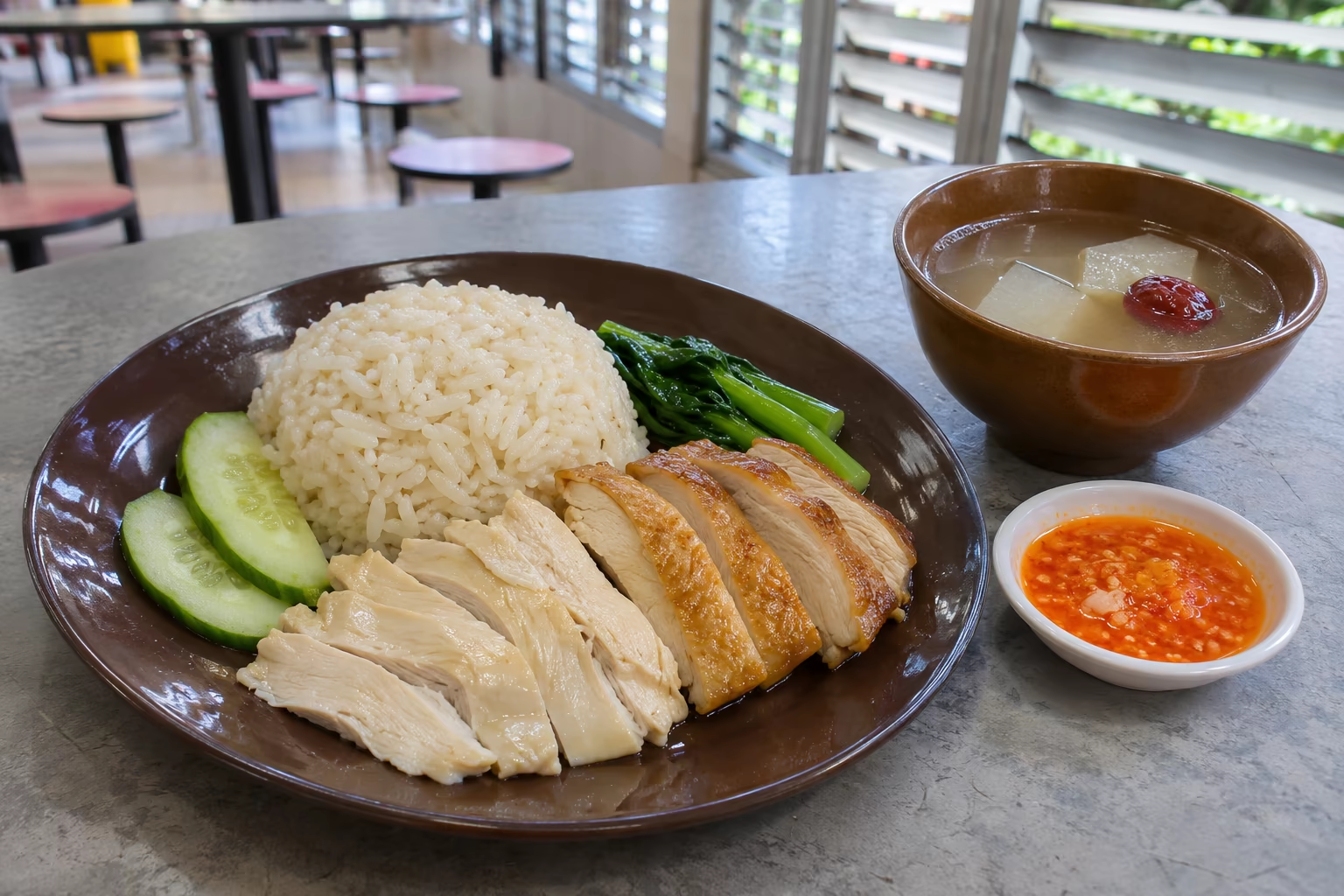
For hawker stall owners, Veganuary 2026 offers a clear signal: demand is not confined to January, and it is not confined to specialty outlets. The most-shared recipe of the campaign was a local twist on nasi lemak with sambal tempeh and fried tofu, which drew 280,000 views on TikTok in its first week. The lesson is not that every stall must go vegan. It is that the vocabulary of plant-based hawker food—sambal, tempeh, fried tofu, laksa, chicken rice—already exists. The work is in the execution, not the invention.
Author

Clara@gmail.com
Related Posts
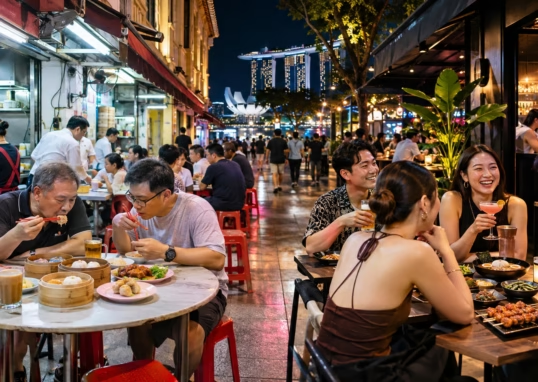
Singapore’s New Supper Clubs 2026: Late-Night Dining Is the Nightlife Now
- 0
- 416 words
For decades, the Singapore supper was a pit stop — something you ate after the actual night out was over. In 2026,...
Read out all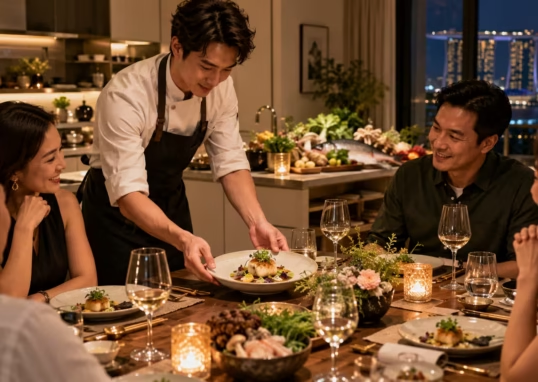
Kappo Suguru Brings Joo Chiat Shophouse Intimacy to Singapore’s Seasonal Omakase Map
- 0
- 428 words
Kappo Culture in a Joo Chiat Shophouse Kappo Suguru has settled into a cosy shophouse at 192 Joo Chiat Road, bringing the...
Read out all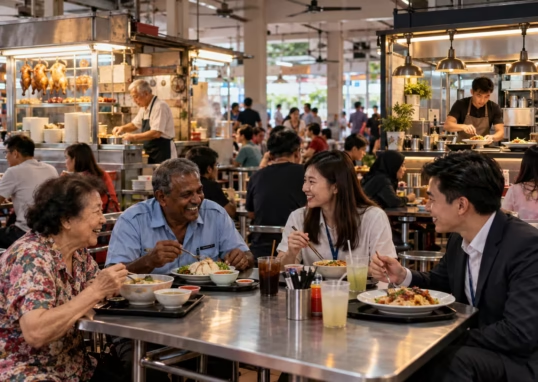
Heritage Under Pressure: Can Neo-Hawker Cuisine Save Singapore’s UNESCO Food Culture?
- 0
- 407 words
The Succession Crisis Nobody Talks About Singapore’s hawker culture is a UNESCO-listed intangible cultural heritage, but its future is far from secure....
Read out all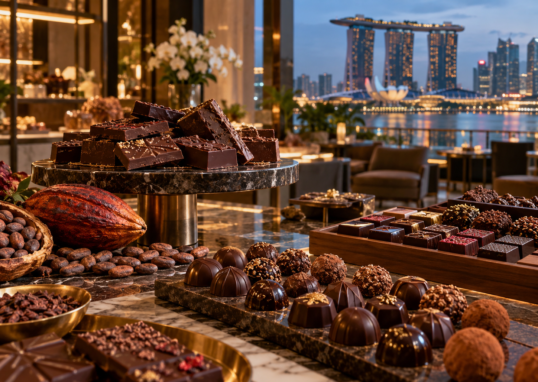
Inside Singapore’s Bean-to-Bar Revolution: The Artisans Redefining Chocolate Craft
- 0
- 535 words
From Supermarket Shelves to Craft Workshops Singapore’s artisanal chocolate movement has evolved from a niche curiosity into a formidable force within the...
Read out all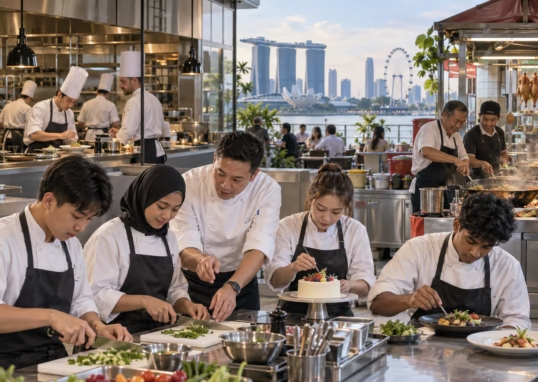
At-Sunrice GlobalChef Academy and the “East-Meets-West” Chef Training Model
- 0
- 437 words
At-Sunrice GlobalChef Academy occupies a distinct position in Singapore’s culinary education market: it is neither a government technical institute nor a traditional...
Read out all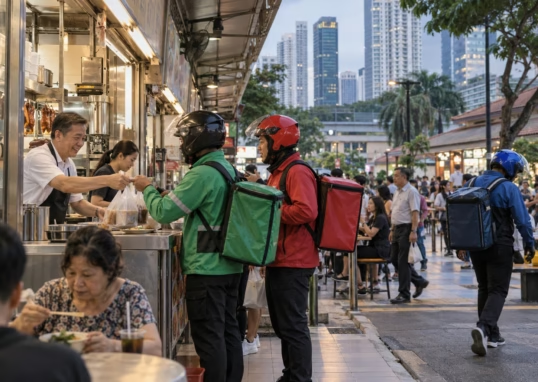
Quick Commerce Revolution: How Singapore’s Grocery Delivery Market Is Reshaping Urban Convenience
- 0
- 431 words
The Speed Economy Comes to Singapore’s Groceries Singapore’s relationship with grocery shopping is undergoing a fundamental transformation. What was once a weekly...
Read out all