- 0
- 369 words
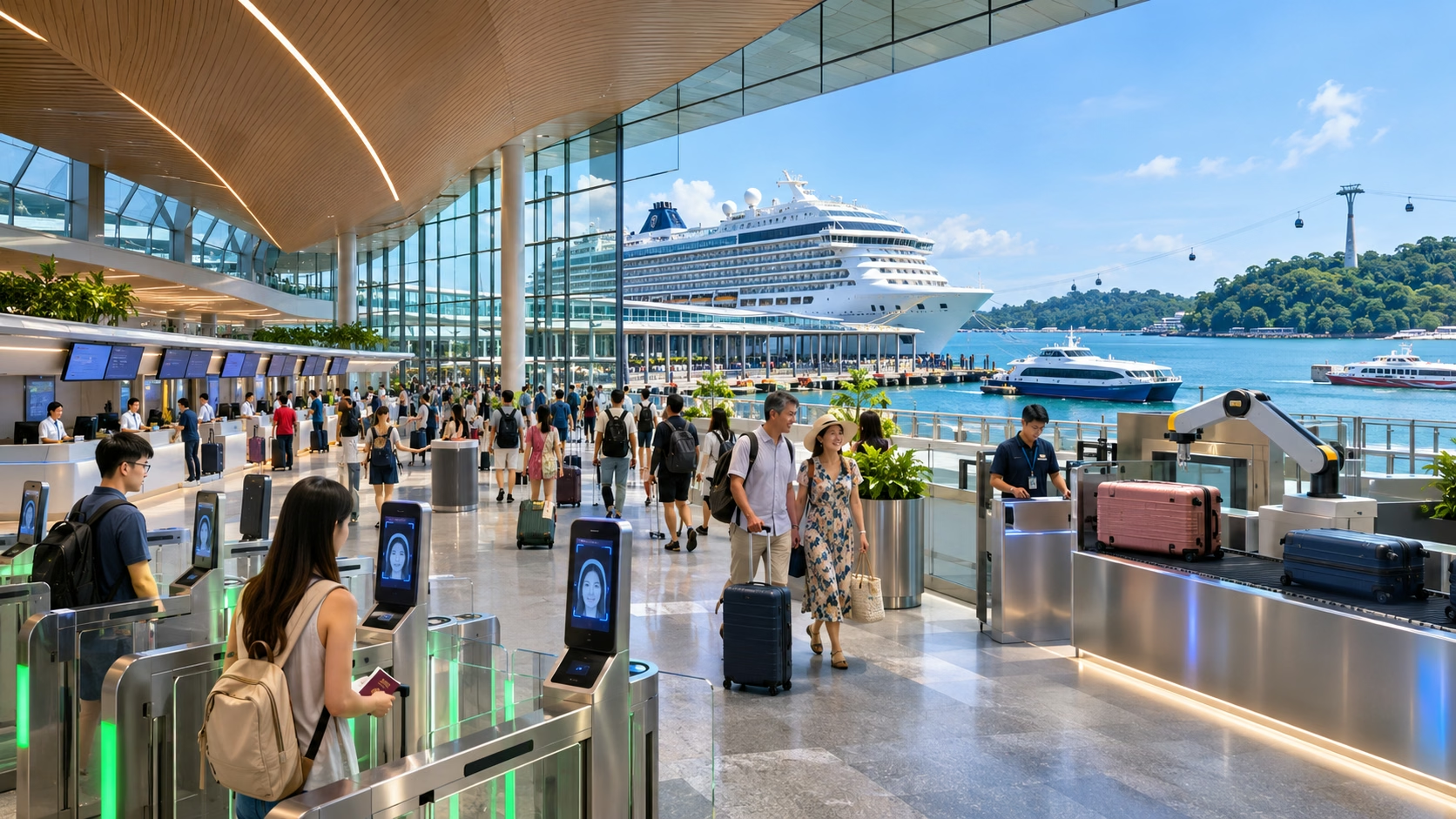
Singapore’s dominance in Southeast Asian cruise tourism is undeniable, but it is no longer uncontested. The rise of Port Klang in Malaysia represents the most credible challenge to Singapore’s hegemony, signaling a new phase of intra-regional competition. For years, Singapore has been the default homeport for international cruise lines, leveraging its world-class infrastructure, air connectivity, and tourism appeal. However, Malaysia’s strategic moves—most notably the establishment of Port Klang as a homeport for Adora Cruises’ Adora Mediterranea and the hosting of the Asia cruise summit in 2026—demonstrate a clear ambition to capture a larger share of the regional market.
The Malaysian Playbook: Cost and Halal Advantage
Port Klang’s strategy is not to replicate Singapore, but to exploit its own unique advantages. Industry insiders point to lower operating costs and a distinctive halal ecosystem as key differentiators. Malaysia’s official JAKIM halal certification is a powerful draw for the vast Muslim traveler market, a segment that few cruise destinations can serve end-to-end with authenticity. Furthermore, Port Klang’s proximity to Kuala Lumpur gives it access to Malaysia’s largest domestic travel market, while serving as a gateway for regional itineraries to Penang and Langkawi. The decision by Adora Cruises to establish its first overseas homeport in Port Klang is viewed as a significant endorsement of this potential, elevating Malaysia beyond a mere transit stop.
Singapore’s Enduring Moats
Despite these challenges, Singapore retains formidable advantages. Its superior air connectivity remains a decisive factor for the fly-cruise market, which is the lifeblood of high-yield cruise tourism. The new HarbourFront terminal’s capacity of 18,000 passengers daily provides a level of operational efficiency that competitors are still working to match. Moreover, Singapore’s established reputation for safety, reliability, and a diverse tourism product portfolio creates a holistic value proposition that is difficult to dislodge. The competition from Port Klang is likely to expand the overall regional cruise market rather than simply cannibalize Singapore’s share. However, it serves as a timely reminder that Singapore cannot afford to rest on its laurels. Continuous innovation and investment—such as the digital twin trials and automation upgrades at its terminals—are essential to maintaining its lead in an increasingly crowded maritime theater.
Author

Clara@gmail.com
Related Posts
Princess Cruises and Singapore’s Three-Year Partnership: A Blueprint for Cruise Industry Growth in Asia
- 0
- 477 words
A Landmark Partnership for Asian Cruising In May 2026, the Singapore Tourism Board and Princess Cruises announced a three-year partnership that represents...
Read out all
Science Centre Singapore and KidsSTOP: Building Scientific Curiosity Through Play-Based Learning
- 0
- 408 words
A Legacy of Interactive Science Education Since its establishment, Science Centre Singapore has stood as the nation’s premier institution for hands-on scientific...
Read out all
Gardens by the Bay Photography in 2026: A Complete Visual Guide for Travellers
- 0
- 382 words
Gardens by the Bay has welcomed over 87 million visitors since its opening, cementing its status as Singapore’s premier horticultural and photographic...
Read out all
The Architectural Time Machine: Tracing Singapore’s Evolution Through Its Most Iconic Modern Structures
- 0
- 499 words
To walk through Singapore is to flip through the pages of a futuristic novel that actually came true. The city’s modern architecture...
Read out all
Eating Like a King on a Pauper’s Budget: The Backpacker’s Guide to Singapore Hawker Centres
- 0
- 608 words
The reputation of Singapore as one of the most expensive cities in the world often deters budget travelers, but there is a...
Read out all
Singapore Remote Work Visa Options 2026: Tech.Pass, EntrePass, and Work Holiday Pass Explained
- 0
- 494 words
Many digital nomads assume Singapore offers a dedicated digital nomad visa. It doesn’t. Instead, the city-state uses a suite of targeted passes...
Read out all