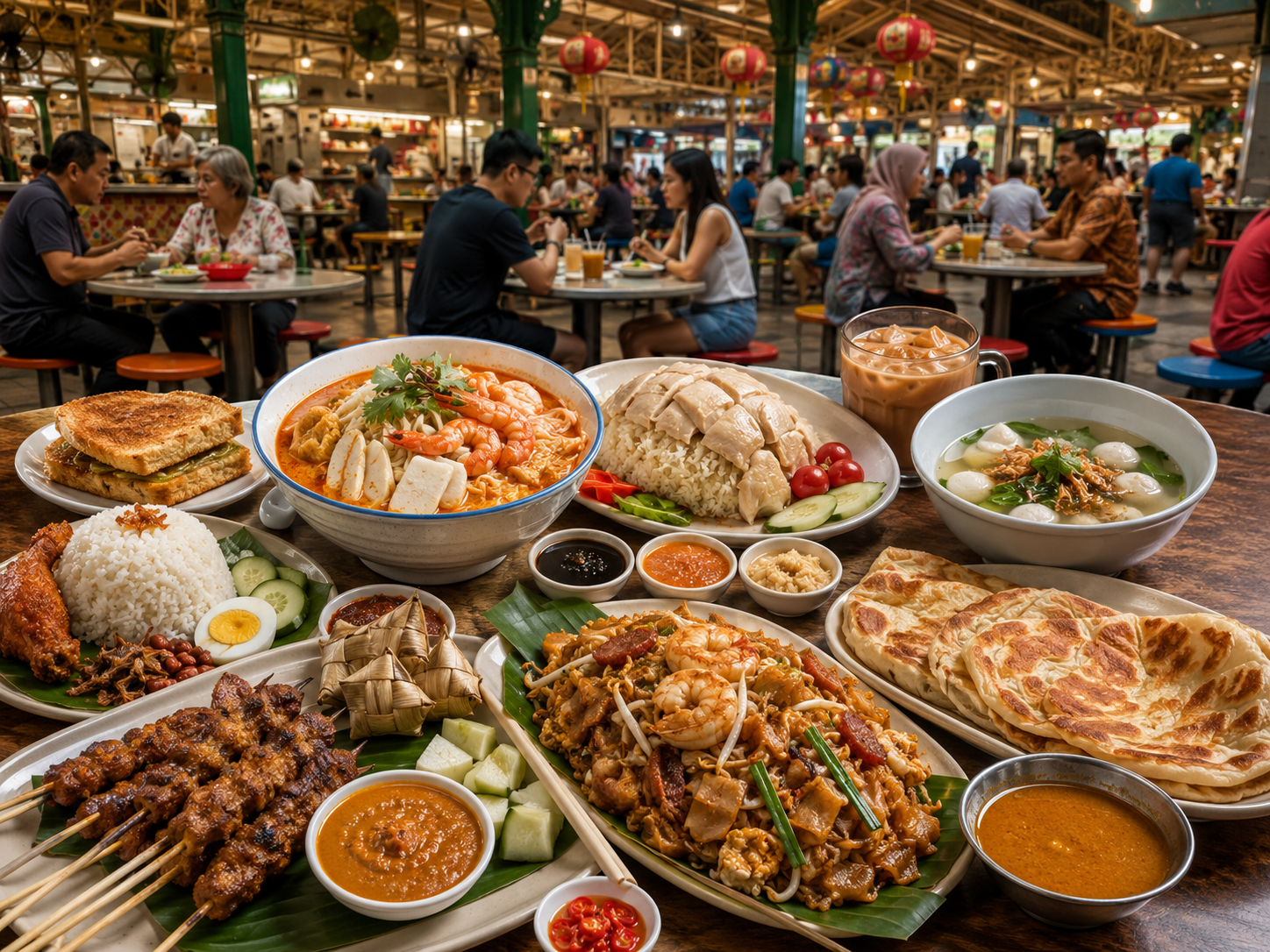
Singapore is widely known as a food paradise, and much of its reputation comes from its vibrant street food culture. Across the island, hawker centres serve as everyday dining spaces where locals and tourists can enjoy high-quality meals at reasonable prices. These places are not only food courts; they are cultural landmarks that show how different communities have shaped Singapore’s cuisine over generations.
Satay is one of the most recognizable street foods in Singapore. This dish features small pieces of marinated meat placed on bamboo skewers and grilled over open flames. The meat is often seasoned with spices such as turmeric, coriander, cumin, and garlic, giving it a warm and aromatic flavor. Once grilled, satay is served with peanut gravy, fresh cucumber, onion, and ketupat. The smoky taste of the meat and the creamy sweetness of the sauce make it a favorite snack or shared dish.
Laksa is another dish that strongly represents Singapore’s multicultural food identity. The Singapore version, especially Katong laksa, is loved for its thick coconut curry broth and bold spice mixture. Unlike some noodle soups, laksa is rich and complex. Its soup base is commonly prepared with coconut milk, chili paste, dried shrimp, galangal, and lemongrass. Short rice noodles are placed in the broth along with prawns, fish cake, cockles, and bean sprouts. The result is a comforting dish that is spicy, creamy, savory, and slightly sweet at the same time.
A discussion of Singaporean street food would not be complete without mentioning Hainanese chicken rice. This dish came from Hainanese immigrants and has become one of Singapore’s national favorites. The chicken is gently cooked to keep the meat soft and juicy. However, the rice is just as important as the chicken. It is cooked with chicken fat, stock, garlic, and ginger, creating a fragrant base that gives the dish its signature taste. The chili sauce adds brightness and heat, while the soup balances the meal.
Another famous hawker dish is chili crab, though it is often more expensive than typical street food. Fresh crab is cooked in a thick tomato-chili sauce that is sweet, spicy, and slightly tangy. It is commonly eaten with fried mantou buns, which are used to scoop up the sauce. This dish is messy, rich, and unforgettable.
For noodle lovers, char kway teow is a popular choice. This stir-fried noodle dish combines flat rice noodles with soy sauce, egg, bean sprouts, Chinese sausage, and seafood. Its most important quality is the smoky flavor created by high-heat wok cooking. A good plate of char kway teow should taste savory, slightly sweet, and deeply aromatic.
Singapore also offers delicious snacks such as carrot cake, which is not a dessert but a stir-fried radish cake dish. It comes in white or black versions, depending on whether sweet dark soy sauce is added.
The beauty of Singapore’s street food lies in its diversity. A single hawker centre can offer Malay satay, Peranakan laksa, Indian roti prata, and Chinese noodle dishes under one roof. This variety makes eating in Singapore both exciting and educational, allowing visitors to understand the country through its flavors.
Author

Clara@gmail.com
Related Posts
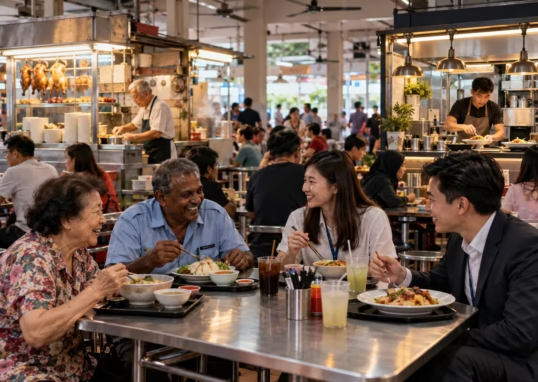
Heritage Under Pressure: Can Neo-Hawker Cuisine Save Singapore’s UNESCO Food Culture?
- 0
- 407 words
The Succession Crisis Nobody Talks About Singapore’s hawker culture is a UNESCO-listed intangible cultural heritage, but its future is far from secure....
Read out all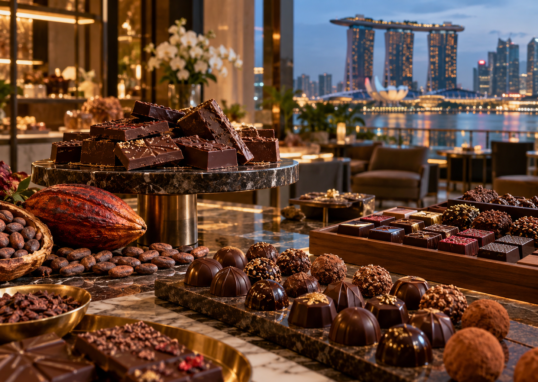
Inside Singapore’s Bean-to-Bar Revolution: The Artisans Redefining Chocolate Craft
- 0
- 535 words
From Supermarket Shelves to Craft Workshops Singapore’s artisanal chocolate movement has evolved from a niche curiosity into a formidable force within the...
Read out all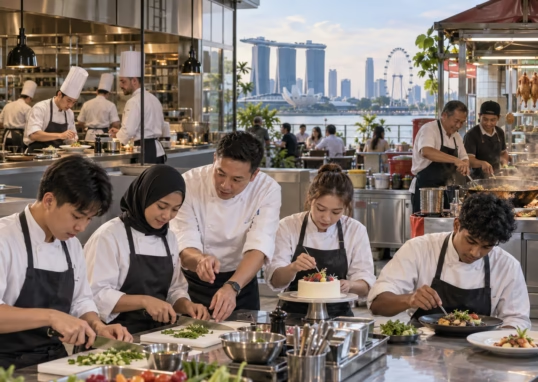
At-Sunrice GlobalChef Academy and the “East-Meets-West” Chef Training Model
- 0
- 437 words
At-Sunrice GlobalChef Academy occupies a distinct position in Singapore’s culinary education market: it is neither a government technical institute nor a traditional...
Read out all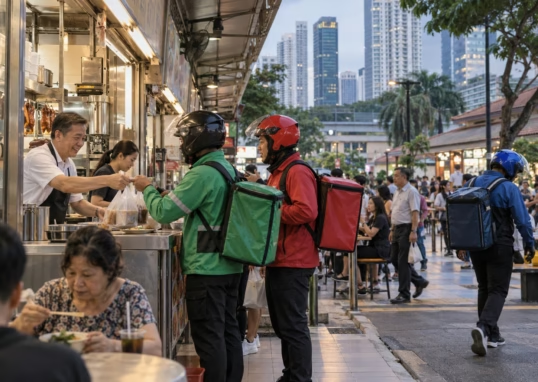
Quick Commerce Revolution: How Singapore’s Grocery Delivery Market Is Reshaping Urban Convenience
- 0
- 431 words
The Speed Economy Comes to Singapore’s Groceries Singapore’s relationship with grocery shopping is undergoing a fundamental transformation. What was once a weekly...
Read out all
Cultivated Beef Meets Frozen Formats: Singapore’s Regulatory Breakthrough Opens New Product Frontiers
- 0
- 474 words
A Regulatory First That Ripples Through the Freezer Aisle In August 2026, the Singapore Food Agency approved Aleph Farms’ cultivated thin-cut steak...
Read out all
Why Korean Convenience Store Culture and Street Food are Taking Over Singapore’s Snack Scene
- 0
- 448 words
While high-end Korean restaurants capture the attention of critics, the true penetration of Korean culture in Singapore is happening on the streets...
Read out all