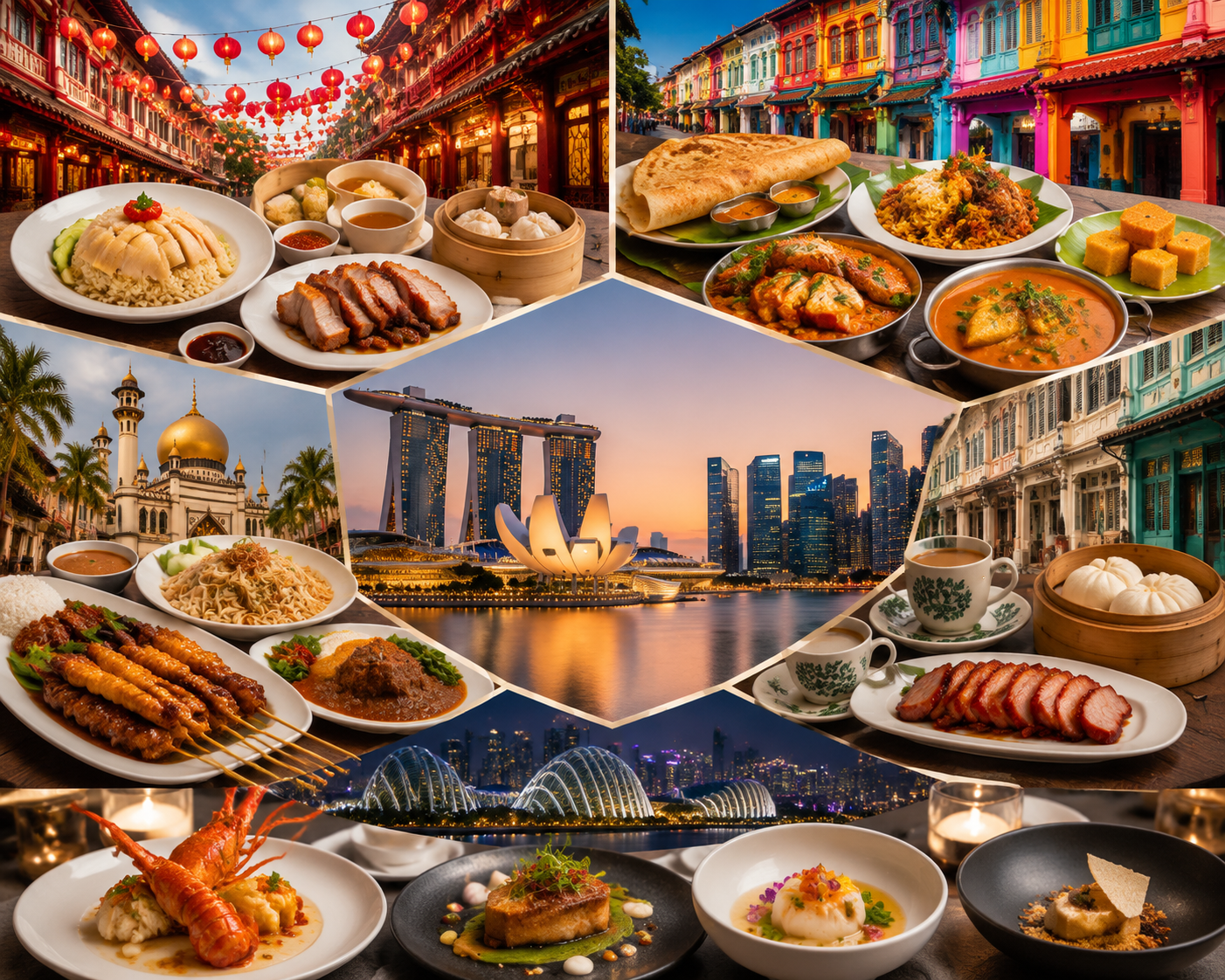
Singapore is a gastronomic treasure trove where every district has its own culinary personality. From street stalls to upscale eateries, exploring the city’s food scene offers a window into its cultural diversity and history. Every neighborhood provides distinct flavors, techniques, and dining experiences that reflect its heritage.
In Chinatown, food is intertwined with tradition. The streets buzz with vendors serving char kway teow, roast duck, and laksa. Many eateries have stood the test of time, preserving recipes passed down through generations. A visit here is not only a feast for the taste buds but also a journey into Singapore’s Chinese culinary roots. The area’s bustling food markets give a sensory snapshot of local life, where the aroma of soy sauce, ginger, and roasted meats fills the air.
Heading east, Little India immerses visitors in a palette of spicy and aromatic dishes. Restaurants serve tandoori chicken, fragrant biryani, and dosai, complemented by sweets such as laddu and jalebi. The district’s food culture is deeply influenced by religious and cultural practices, leading to an abundance of vegetarian options and rich spice blends. Walking through the streets, one encounters both traditional family-run eateries and modern Indian fusion cafes, reflecting a blend of heritage and contemporary tastes.
Kampong Glam showcases the richness of Malay and Middle Eastern cuisine. Here, diners can enjoy dishes such as nasi lemak, mee goreng, and satay, often prepared with recipes that date back decades. The neighborhood’s culinary identity is shaped by its historical role as a trade hub, introducing ingredients like coconut milk, lemongrass, and spices from across the region. Street-side markets coexist with boutique restaurants, offering both affordable local flavors and more refined dining experiences.
In Tiong Bahru, food lovers discover a combination of classic Singaporean hawker favorites and artisanal modern cafes. Signature dishes include bak kut teh, char siew pau, and gourmet pastries. The district is particularly appealing to food enthusiasts who enjoy a mix of nostalgia and contemporary culinary trends. Its cozy coffee shops and bustling markets provide a relaxed atmosphere that invites exploration and tasting.
Finally, Marina Bay is the epitome of Singapore’s cosmopolitan culinary scene. High-end restaurants, rooftop bars, and luxury hotels dominate the dining landscape. Here, chefs creatively reinterpret traditional dishes like chili crab and seafood platters, often fusing them with global cuisines. Marina Bay reflects Singapore’s ongoing evolution as a world-class food destination, where innovation meets heritage.
Touring Singapore through its neighborhoods allows visitors to experience the country’s diverse culinary tapestry. Each district tells a story through its flavors, from the aromatic streets of Chinatown to the elegant gastronomy of Marina Bay. The journey is both flavorful and enlightening, capturing the essence of Singaporean culture through food.
Author

Clara@gmail.com
Related Posts
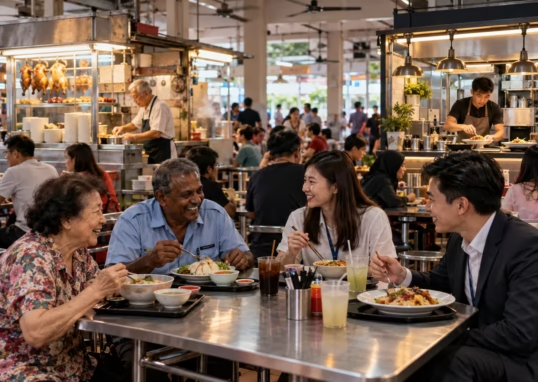
Heritage Under Pressure: Can Neo-Hawker Cuisine Save Singapore’s UNESCO Food Culture?
- 0
- 407 words
The Succession Crisis Nobody Talks About Singapore’s hawker culture is a UNESCO-listed intangible cultural heritage, but its future is far from secure....
Read out all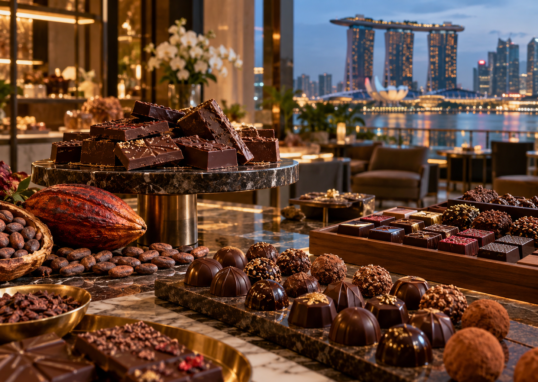
Inside Singapore’s Bean-to-Bar Revolution: The Artisans Redefining Chocolate Craft
- 0
- 535 words
From Supermarket Shelves to Craft Workshops Singapore’s artisanal chocolate movement has evolved from a niche curiosity into a formidable force within the...
Read out all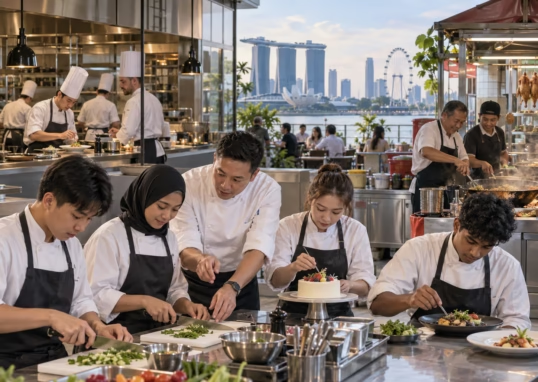
At-Sunrice GlobalChef Academy and the “East-Meets-West” Chef Training Model
- 0
- 437 words
At-Sunrice GlobalChef Academy occupies a distinct position in Singapore’s culinary education market: it is neither a government technical institute nor a traditional...
Read out all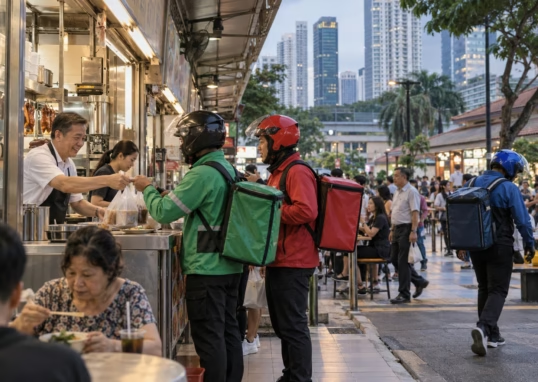
Quick Commerce Revolution: How Singapore’s Grocery Delivery Market Is Reshaping Urban Convenience
- 0
- 431 words
The Speed Economy Comes to Singapore’s Groceries Singapore’s relationship with grocery shopping is undergoing a fundamental transformation. What was once a weekly...
Read out all
Cultivated Beef Meets Frozen Formats: Singapore’s Regulatory Breakthrough Opens New Product Frontiers
- 0
- 474 words
A Regulatory First That Ripples Through the Freezer Aisle In August 2026, the Singapore Food Agency approved Aleph Farms’ cultivated thin-cut steak...
Read out all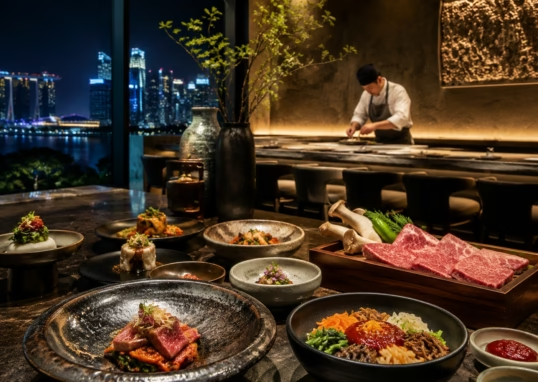
Why Korean Convenience Store Culture and Street Food are Taking Over Singapore’s Snack Scene
- 0
- 448 words
While high-end Korean restaurants capture the attention of critics, the true penetration of Korean culture in Singapore is happening on the streets...
Read out all