- 0
- 645 words
Why Chinatown Remains a Food Landmark
In 2026, Chinatown Singapore continues to be one of the clearest places to understand the country through food. Its dining culture is built on movement: migrants bringing recipes, hawkers adapting to city life, families protecting old techniques, and younger operators finding new ways to present familiar flavors. The result is a compact district where history is not locked inside museums; it is served in bowls, plates, steam baskets, and takeaway packets.
The official Visit Singapore Chinatown guide, available at https://www.visitsingapore.com/see-do-singapore/places-to-see/chinatown/, highlights the district’s cultural importance. For food travelers, that cultural map is essential. Chinatown’s culinary identity is tied to its streets, including areas shaped by trade, religion, nightlife, and conservation-era shophouses.
The Hawker Centre as a Social Institution
More Than Affordable Food
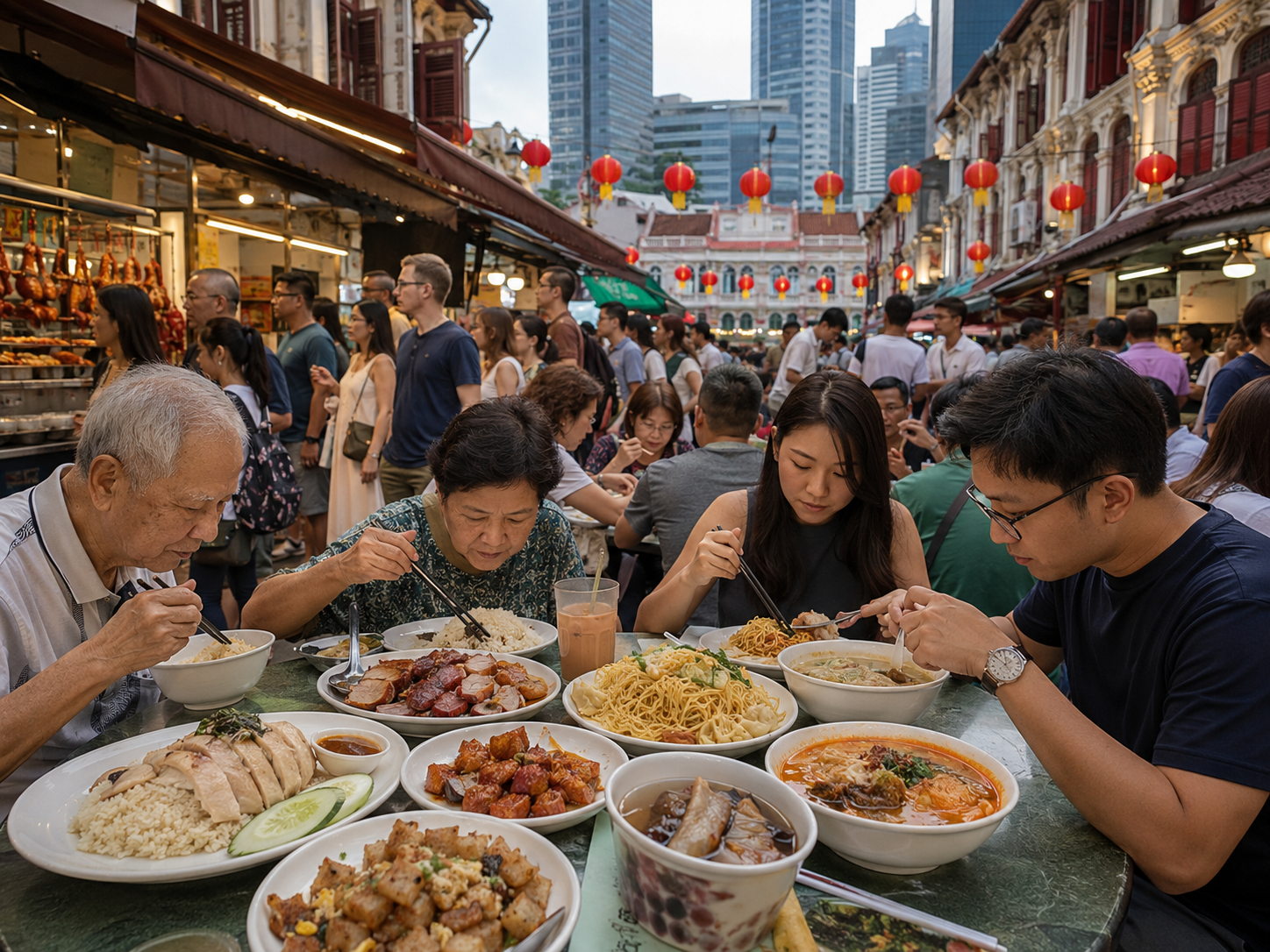
Chinatown’s hawker centres are not just budget dining spots. They are public institutions where class, age, and nationality often sit side by side. A visitor may see tourists photographing noodles while regular customers quietly order the same breakfast they have eaten for years. That contrast explains why Chinatown’s food scene feels both global and local.
Chinatown Complex Food Centre remains especially important because it concentrates many of the district’s essential flavors. Dishes such as soy sauce chicken rice, roasted meats, laksa, carrot cake, dumpling noodles, claypot rice, and herbal soups all appear within a relatively walkable setting. For first-time visitors, this is one of the most efficient ways to understand Singapore’s hawker ecosystem.
The Dishes That Define the District
Soy Sauce Chicken Rice and Cantonese Craft
One of Chinatown’s most photographed dishes is soy sauce chicken rice. Its appeal comes from restraint rather than spectacle. The chicken should be smooth and juicy, the rice fragrant but not oily, and the sauce deep without overpowering the meat. In a city famous for efficient dining, this dish still rewards patience and technique.
Noodles, Soups, and Wok-Driven Flavor
Noodle dishes remain central to Chinatown’s identity. Wanton mee, fishball noodles, prawn noodles, and beef noodles each show a different side of Chinese-Singaporean cooking. Some rely on clear broth, others on chili paste, vinegar, lard, or dark sauce. Meanwhile, wok-fried dishes such as char kway teow depend on heat, speed, and smoky aroma.
Pastries, Tea, and Everyday Sweets
The district’s food life does not end with lunch and dinner. Traditional bakeries and dessert stalls add another layer through egg tarts, sesame balls, almond paste, grass jelly, and other sweets. These quieter foods are often overlooked by fast-moving visitors, but they reflect the neighborhood’s domestic habits.
The 2026 Context: Heritage Under Pressure
The most interesting food story in Chinatown today is not only what visitors should eat, but whether the people cooking these dishes can continue doing so. Rising operating costs, labor shortages, and the aging of veteran hawkers are real pressures. At the same time, public appreciation for hawker culture remains strong, and younger diners increasingly treat heritage food as something worth documenting and defending.
Modern restaurants in nearby Keong Saik, Ann Siang, and Club Street add another dimension. They bring design, wine lists, tasting menus, and fusion ideas into a district built on older trade routes. This does not erase tradition; it creates a visible conversation between the old and the new.
Practical Eating Strategy for 2026 Travelers
A smart Chinatown food route should begin before peak lunch hour. Arriving early helps visitors avoid the longest queues and gives them more time to observe how locals order. Try one iconic rice dish, one noodle dish, one roasted meat plate, and one dessert rather than eating only at the most famous stall.
Chinatown’s culinary strength in 2026 lies in its density. Few neighborhoods allow travelers to move so quickly from temple streets to hawker tables, from old pastries to modern cocktails, and from everyday dining to national food memory.
Author

Clara@gmail.com
Related Posts
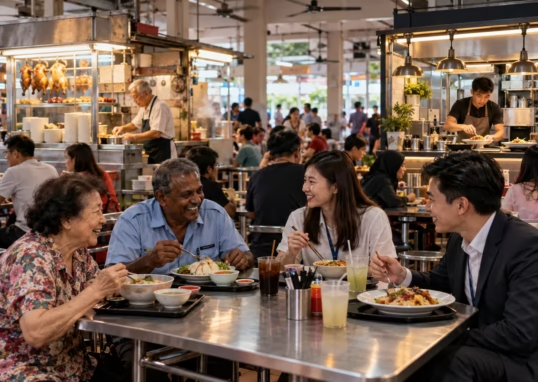
Heritage Under Pressure: Can Neo-Hawker Cuisine Save Singapore’s UNESCO Food Culture?
- 0
- 407 words
The Succession Crisis Nobody Talks About Singapore’s hawker culture is a UNESCO-listed intangible cultural heritage, but its future is far from secure....
Read out all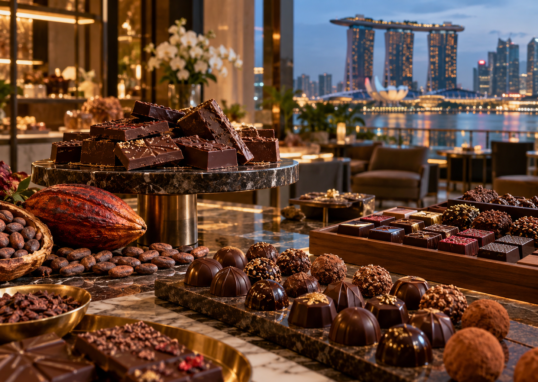
Inside Singapore’s Bean-to-Bar Revolution: The Artisans Redefining Chocolate Craft
- 0
- 535 words
From Supermarket Shelves to Craft Workshops Singapore’s artisanal chocolate movement has evolved from a niche curiosity into a formidable force within the...
Read out all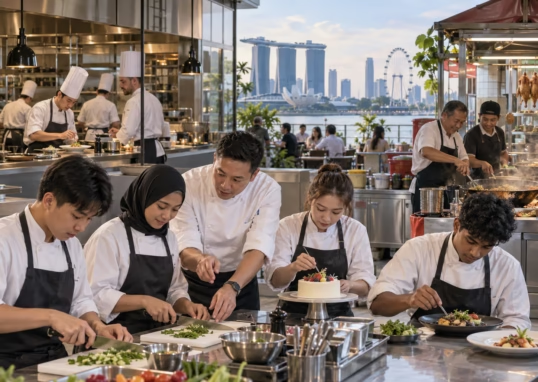
At-Sunrice GlobalChef Academy and the “East-Meets-West” Chef Training Model
- 0
- 437 words
At-Sunrice GlobalChef Academy occupies a distinct position in Singapore’s culinary education market: it is neither a government technical institute nor a traditional...
Read out all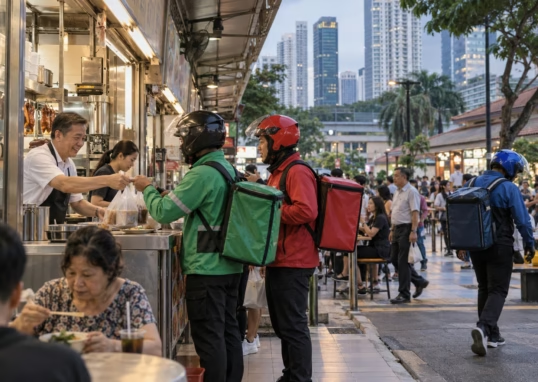
Quick Commerce Revolution: How Singapore’s Grocery Delivery Market Is Reshaping Urban Convenience
- 0
- 431 words
The Speed Economy Comes to Singapore’s Groceries Singapore’s relationship with grocery shopping is undergoing a fundamental transformation. What was once a weekly...
Read out all
Cultivated Beef Meets Frozen Formats: Singapore’s Regulatory Breakthrough Opens New Product Frontiers
- 0
- 474 words
A Regulatory First That Ripples Through the Freezer Aisle In August 2026, the Singapore Food Agency approved Aleph Farms’ cultivated thin-cut steak...
Read out all
Why Korean Convenience Store Culture and Street Food are Taking Over Singapore’s Snack Scene
- 0
- 448 words
While high-end Korean restaurants capture the attention of critics, the true penetration of Korean culture in Singapore is happening on the streets...
Read out all