- 0
- 412 words
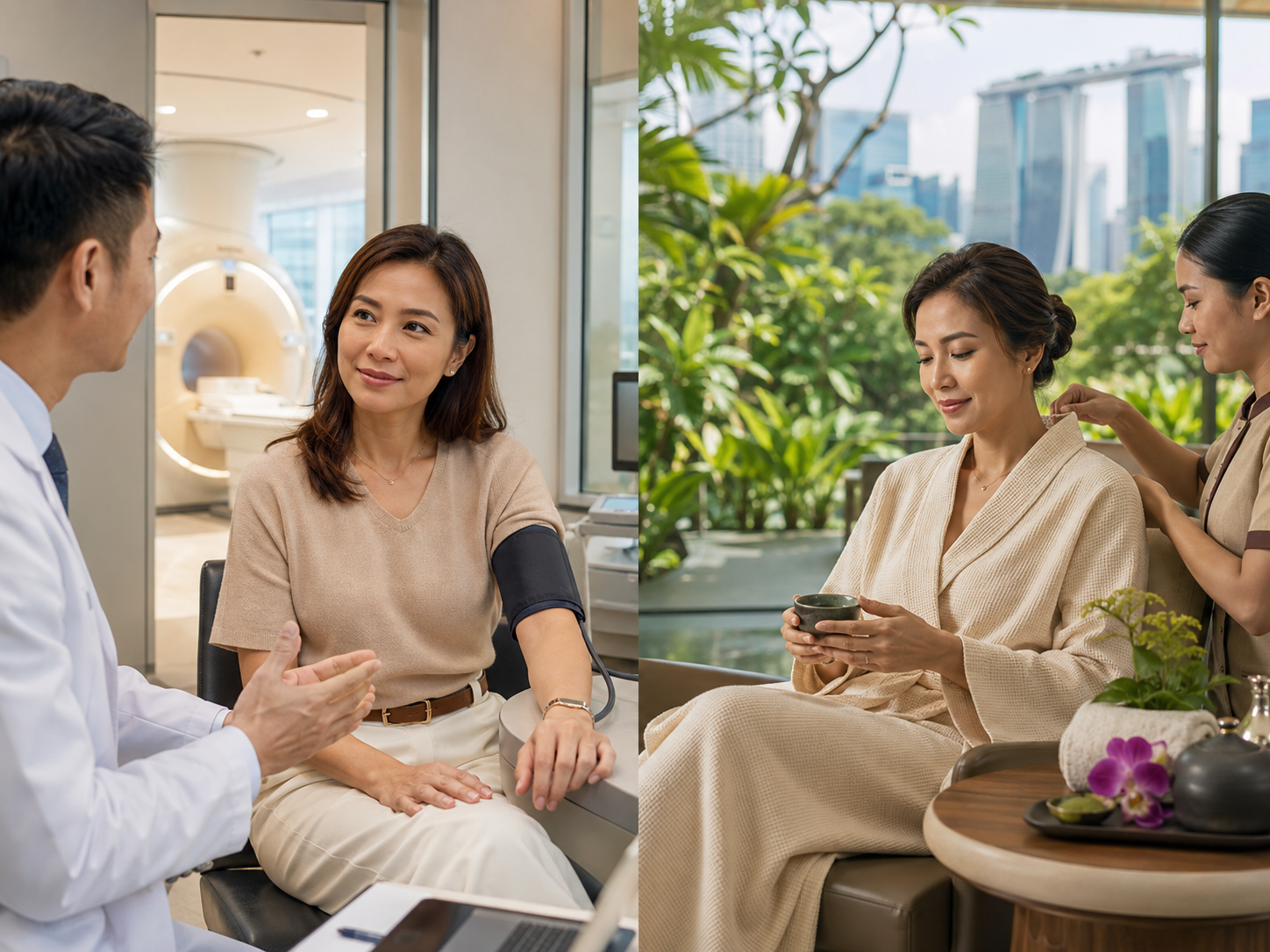
A growing number of travellers are no longer visiting Singapore only for shopping or street food. They come for preventive healthcare. In 2026, the city-state has refined a model that merges executive health screenings with spa-based recovery, creating a new category of medical wellness travel. Unlike traditional medical tourism, which focuses on treatment after illness, this approach targets early detection, stress reduction, and lifestyle recalibration.
Why Singapore Leads Asia in Preventive Medical Wellness
Singapore’s hospitals are among the most accredited in Asia. Mount Elizabeth, Gleneagles, and Raffles Hospital hold Joint Commission International (JCI) accreditation and offer bilingual medical teams, same-day imaging, and secure electronic health records. The official medical tourism portal, Singapore Medicine (https://www.singaporemedicine.com/), lists packages that bundle consultation, laboratory work, and follow-up telemedicine. For wellness travellers, the main advantage is speed: a full cardiac, metabolic, and cancer-marker screen can be completed in a single morning.
Executive Health Screening Packages
Basic packages start at around SGD 300 and cover blood glucose, cholesterol, liver function, and kidney markers. Mid-tier options at SGD 800–1,500 add treadmill stress tests, abdominal ultrasounds, and thyroid panels. Comprehensive packages at SGD 2,500–4,000 include low-dose CT lung scans, coronary calcium scoring, and tumour marker panels. These are not luxury add-ons. Many corporate travellers schedule a screening on day one of a five-day trip, then spend the remaining days in active recovery.
Integrative Recovery and Spa Aftercare
What makes Singapore’s model distinctive is the integration between hospital and spa. After a morning of fasting, blood draws, and imaging, travellers can book lymphatic drainage massages, vitamin IV drips, or physiotherapy at partner wellness centres. Some hotels, such as The Fullerton Bay Hotel Singapore, collaborate with nearby clinics to offer post-screening relaxation packages. Others, like COMO Shambhala Urban Escape, provide nutrition consultations and sleep hygiene coaching alongside traditional massage.
Real Case: A 2026 Digital Nomad’s Preventative Detour
Consider a 38-year-old entrepreneur from Jakarta who booked a one-day executive screening at Raffles Hospital after noticing persistent fatigue. The screening revealed elevated HbA1c and early fatty liver markers. Instead of flying home immediately, she extended her stay by three nights and enrolled in a structured recovery programme: daily 45-minute walks in the Singapore Botanic Gardens, two lymphatic drainage sessions, and a low-glycaemic meal plan delivered by a wellness kitchen. By the end of the week, her repeat blood pressure readings had normalised. This pattern—screening, intervention, and integrated spa recovery—is exactly what Singapore’s medical wellness tourism aims to scale in 2026.
Author

Clara@gmail.com
Related Posts
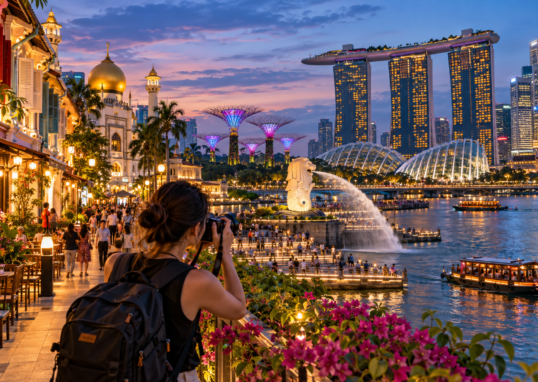
Gardens by the Bay Photography in 2026: A Complete Visual Guide for Travellers
- 0
- 382 words
Gardens by the Bay has welcomed over 87 million visitors since its opening, cementing its status as Singapore’s premier horticultural and photographic...
Read out all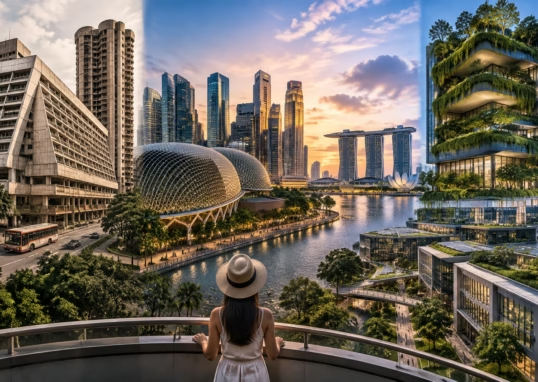
The Architectural Time Machine: Tracing Singapore’s Evolution Through Its Most Iconic Modern Structures
- 0
- 499 words
To walk through Singapore is to flip through the pages of a futuristic novel that actually came true. The city’s modern architecture...
Read out all
Eating Like a King on a Pauper’s Budget: The Backpacker’s Guide to Singapore Hawker Centres
- 0
- 608 words
The reputation of Singapore as one of the most expensive cities in the world often deters budget travelers, but there is a...
Read out all
Singapore Remote Work Visa Options 2026: Tech.Pass, EntrePass, and Work Holiday Pass Explained
- 0
- 494 words
Many digital nomads assume Singapore offers a dedicated digital nomad visa. It doesn’t. Instead, the city-state uses a suite of targeted passes...
Read out all
Culinary Alchemy: Inside Singapore’s Most Exclusive Private Chef’s Tables and Bespoke Dining Sanctuaries
- 0
- 404 words
Where the Kitchen Bows to the Diner Singapore’s gastronomic landscape has long been crowned with Michelin stars, but in 2026, the ultimate...
Read out all
Singapore MICE Tourism and the Rise of High-Value Business-and-Leisure Travel
- 0
- 629 words
Modern business travelers increasingly expect more than meeting rooms and exhibition halls. They want efficient professional programs combined with dining, culture, entertainment,...
Read out all