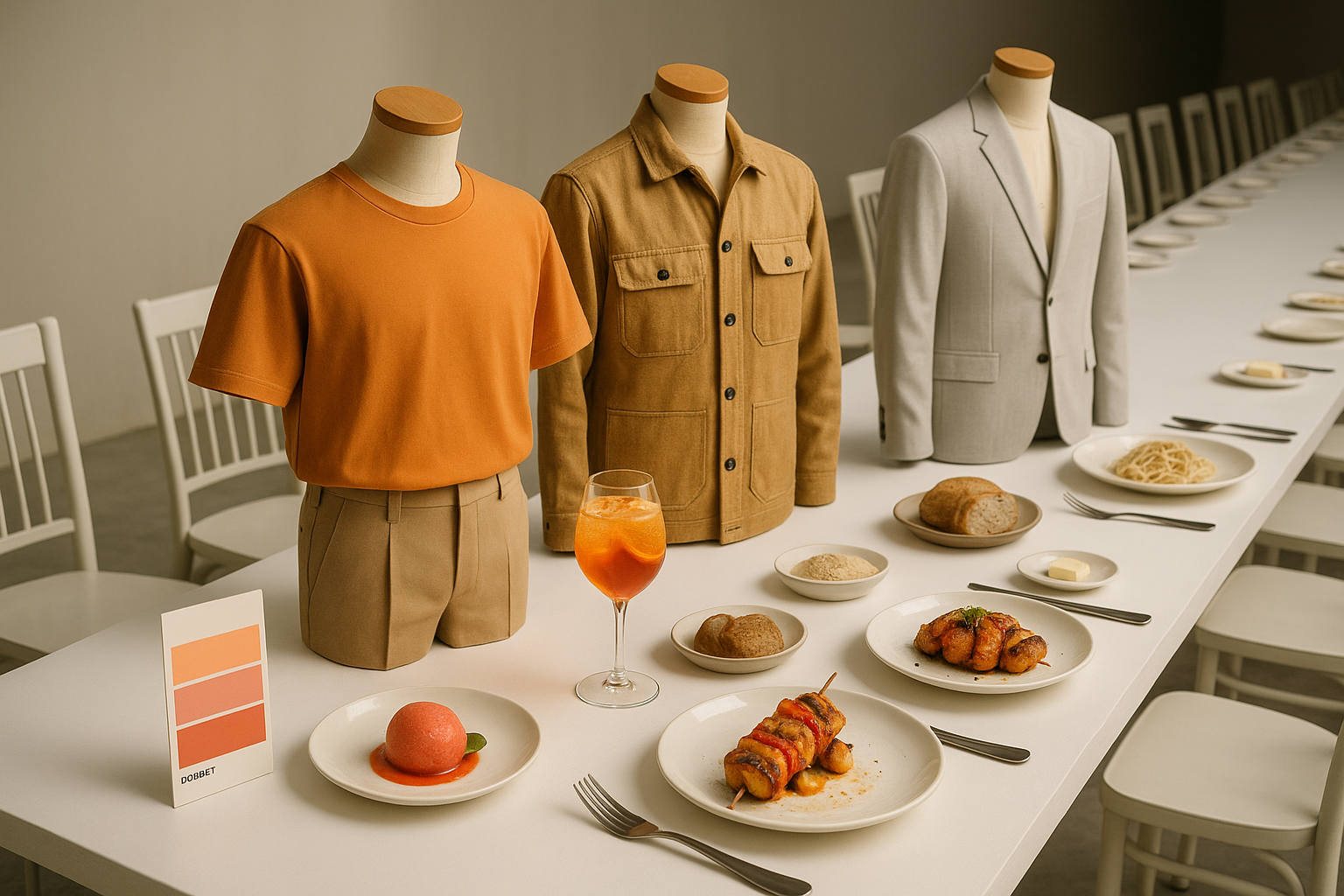
Food and fashion share the same stagecraft: color theory, texture, and seasonal rhythm. Bringing them together lets marketers orchestrate experiences that lodge in memory. Instead of another lookbook, consider a tasting-led preview where each dish interprets a fabric, silhouette, or era.
Event architecture benefits from choreography. Begin with a neutral palate cleanser that sets the tone—sparkling water with citrus to “iron” the senses—then escalate to bolder flavors as the collection intensifies. Visual coherence counts: plateware echoing trim details, napkins matching lining colors, and lighting temperatures harmonized with fabric undertones.
Digital storytelling amplifies the moment. Short-form edits can splice knife work with pattern cutting, while recipe cards double as shoppable QR flyers. Invite creators who bridge categories: a sustainable chef to discuss sourcing beside a designer explaining deadstock choices. Their dialogue builds credibility beyond surface aesthetics.
Evaluation should mix art and data. Beyond impressions, map emotion curves across the event: where did guests gasp, photograph, or pause? Use NFC tokens at stations to log interactions. Offer limited-edition items—aprons, tote bags, or spice blends—bundled with preorder codes to connect tasting joy to basket conversion.
Consider responsibility. Avoid dye–food cross-contamination with separated prep zones; choose menu items that minimize crumbs and drips near garments; and publish an allergen matrix upfront. Donation plans for surplus food and rental schemes for staging materials align with modern consumer expectations.
Common pitfalls include overcomplication and mismatched pacing. A 15-course menu can exhaust guests before the finale walk. Aim for three to five signature bites, each mapped to a chapter of the collection. Keep copywriting consistent: if the theme is “coastal linen,” flavors should skew saline, citrus, and herbaceous, not smoky or umami-heavy.
Practical playbook: define one brand value to embody (craft, transparency, comfort), choose an ingredient family that mirrors it (ferments for craft, garden produce for transparency, dairy-free creams for comfort), and design both garments and menu around that spine. The result: a campaign that feels inevitable rather than invented.
Author

Clara@gmail.com
Related Posts
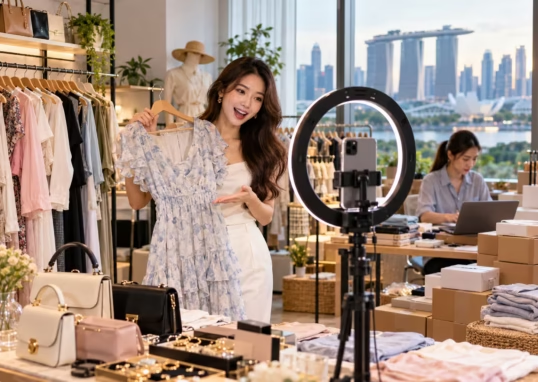
How Singapore’s Homegrown Fashion Labels Rebuilt Their Business Around Livestreaming
- 0
- 514 words
From Side Channel to Core Business Model For a growing cohort of Singaporean fashion brands, livestreaming is no longer a supplementary marketing...
Read out all
Localization as Strategy: How Singapore Fashion Brands Speak Asia’s Many Languages
- 0
- 604 words
The End of One-Size-Fits-All Expansion Singapore fashion brands expanding across Asia are discovering that regional success requires more than translated marketing. Love,...
Read out all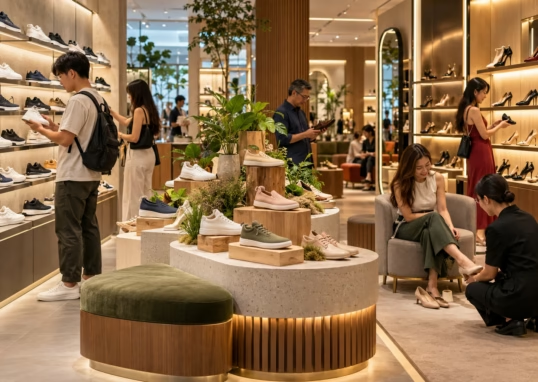
The Comfort Revolution: How Singaporean Footwear Brands Are Redefining Support, Health, and Everyday Wear
- 0
- 658 words
From Pain Point to Product Innovation: The Sunnystep Story Sometimes the most disruptive innovations emerge from the most personal struggles. Mao Ting,...
Read out all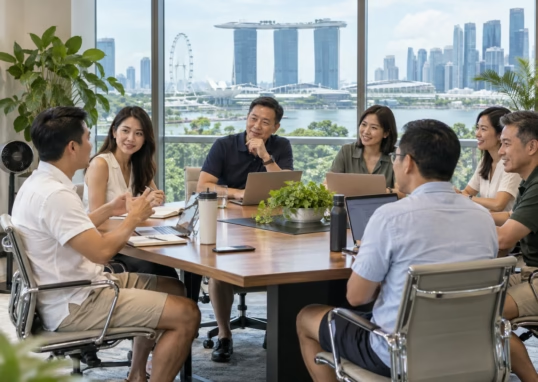
Gen Z vs. Gen X—The Generational Battle Over Singapore’s Office Dress Code
- 0
- 576 words
Two Generations, Two Definitions of Professionalism Walk into any Singapore office in 2026, and you may witness a quiet cultural collision. A...
Read out all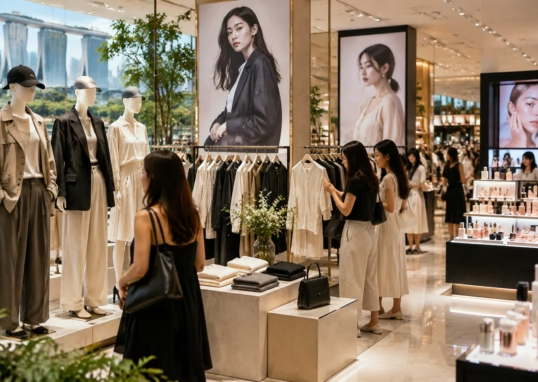
Korean Fashion Brands Are Betting Big on Singapore—and Winning
- 0
- 572 words
The Orchard Road Invasion Nobody Saw Coming When Shinsegae Tomboy opened standalone stores for Studio Tomboy and VOV at the METRO department...
Read out all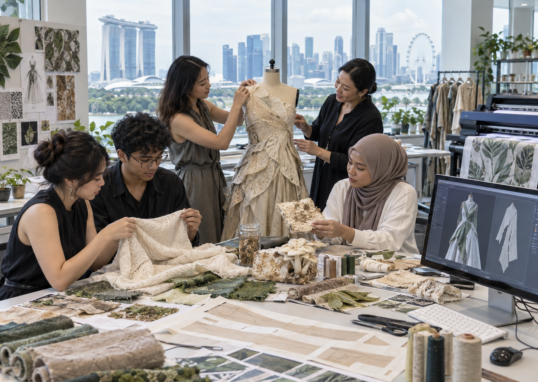
Blending Tradition with Tech: How Singaporean Fashion Schools Are Forging the Ultimate Hybrid Designers in 2026
- 0
- 465 words
The modern fashion designer is expected to be a polymath. They must be an artist, an engineer, a marketer, and increasingly, a...
Read out all