
For many people, the search for halal food is not just about finding a place to eat; it’s about fitting meals around different lifestyles and budgets. Singapore’s halal food scene manages this balance remarkably well, offering options suitable for busy workers, students, families, and those seeking something more refined for celebrations.
Imagine the morning routine in the city: office workers and students rushing to catch trains and buses. At hawker centres and small cafés near transport hubs, halal stalls serve quick breakfasts like kaya toast with halal-certified margarine or butter, mee goreng, fried bee hoon, and teh tarik. These meals are typically inexpensive, making them accessible even to those on modest incomes. The fact that they are widely available helps Muslims integrate their daily routines with religious dietary needs.
Lunchtime brings a different dynamic. In commercial areas like Raffles Place, Bugis, or Jurong East, halal-certified eateries cater to mixed crowds of colleagues and friends. Food courts in malls often house at least one or two halal stalls, offering dishes from Malay, Indonesian, Thai, or Western styles. This setup allows a Muslim employee to join company lunches without feeling excluded, while still keeping costs under control by choosing hawker-style prices if needed.
Students, especially those living in dormitories or away from home, benefit from halal options near campuses and in residential neighborhoods. Affordable halal fast-food chains, chicken rice stalls, and noodle shops provide familiar comfort food at prices that fit student budgets. Some campuses also have canteens with clearly labeled halal stalls, ensuring that Muslim students can focus on their studies instead of worrying about where to eat.
Families often look for more than just low prices; they need places that are child-friendly and welcoming. Many halal-certified restaurants in malls provide high chairs, kids’ menus, and spacious seating. Weekend outings may include a visit to halal buffets or casual grill restaurants where parents and children can share dishes. During festive periods such as Ramadan and Hari Raya, these venues sometimes offer special menus or promotions, making them a popular choice for gathering extended family members.
On the higher end of the spectrum, Singapore hosts halal-certified hotel restaurants and specialty outlets that cater to formal events. These are suitable for wedding receptions, corporate functions, or milestone celebrations. Guests can enjoy carefully curated menus featuring seafood, premium meats, and international cuisines, all prepared according to halal standards. Such venues allow Muslim families and organizations to hold significant events in prestigious locations without compromising their dietary obligations.
To navigate this landscape, understanding halal certification is important. The MUIS halal logo indicates that the kitchen, ingredients, and supply chain have been audited. Diners should not assume that vegetarian or seafood-only outlets are automatically halal, as issues like cross-contamination and alcohol use in cooking may arise. When unsure, it is wise to ask staff members about certification or preparation methods.
In daily life, these layers—from simple street food to elegant event dining—combine to create a halal environment that serves people at every stage of life. Whether you are a young professional grabbing a quick lunch, a student stretching your allowance, or a parent organizing a family celebration, Singapore offers halal options to match your needs and circumstances.
Author

Clara@gmail.com
Related Posts
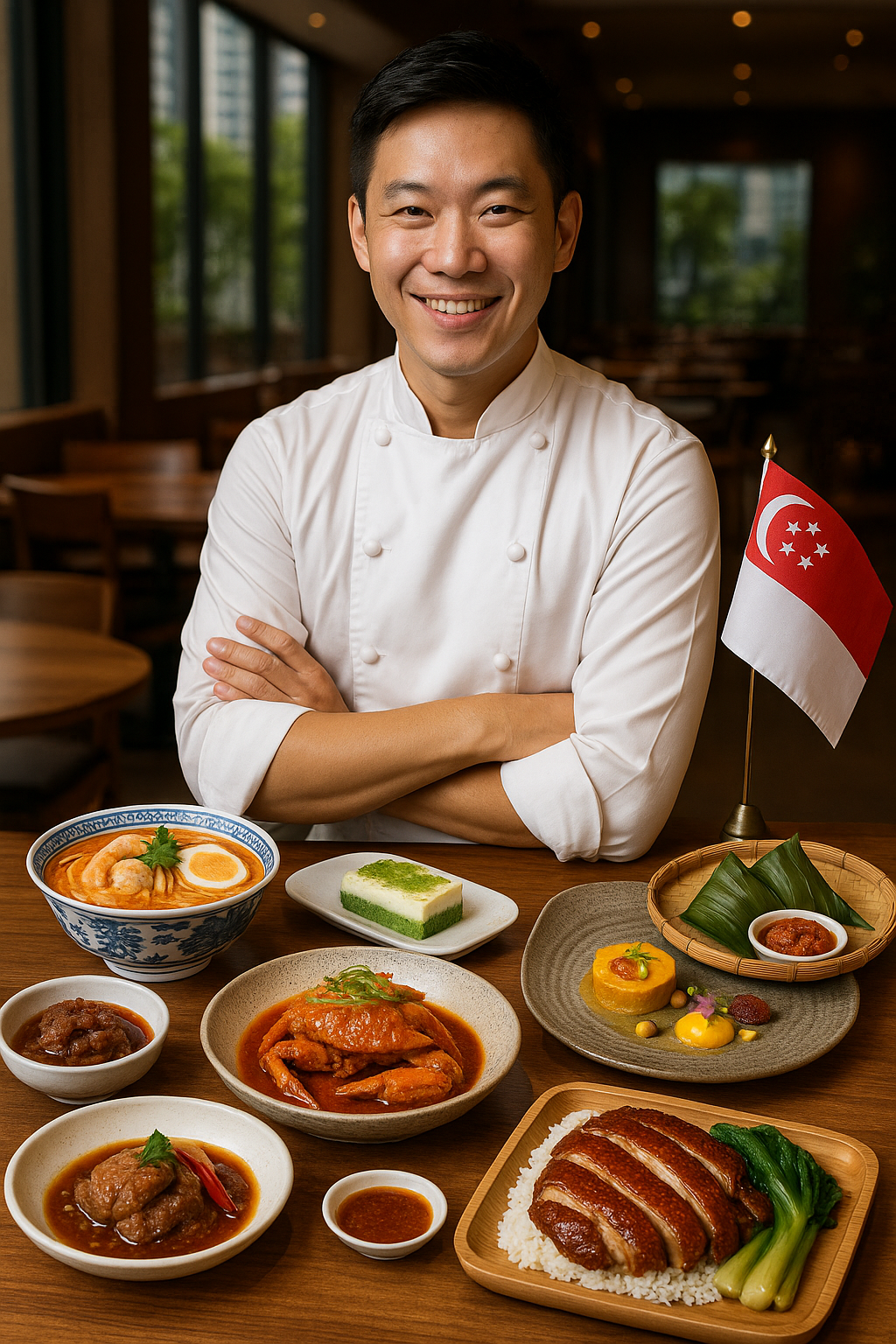
How Singapore’s Chefs Are Redefining Global Dining
The global culinary landscape has become increasingly interconnected, and Singapore’s chefs are right in the middle of this evolution. By combining multicultural...
Read out all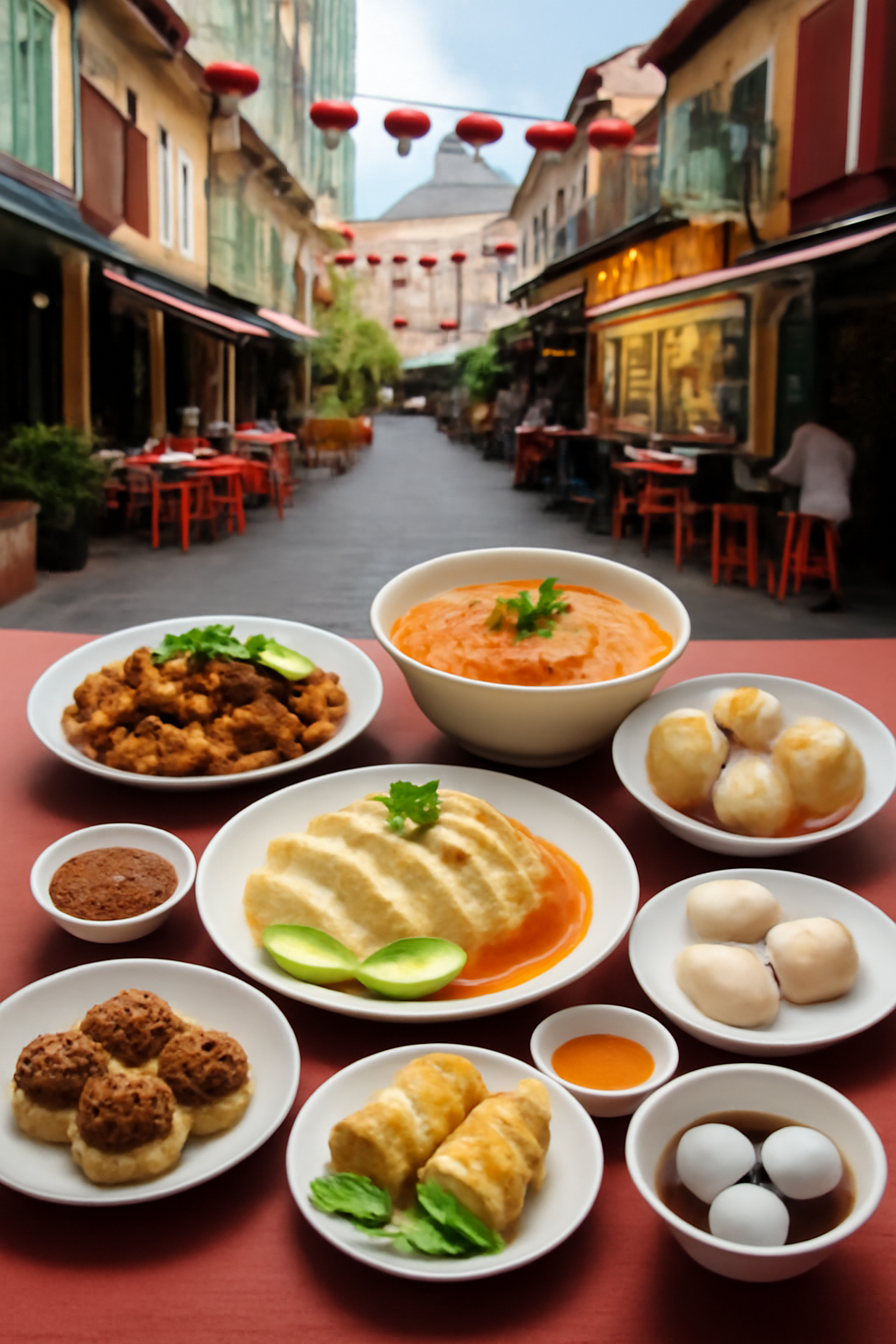
A Culinary Adventure Through Chinatown Singapore’s Iconic Dishes
Chinatown Singapore is a must-visit for anyone seeking an authentic taste of the city’s vibrant food culture. This bustling neighborhood, rich with...
Read out all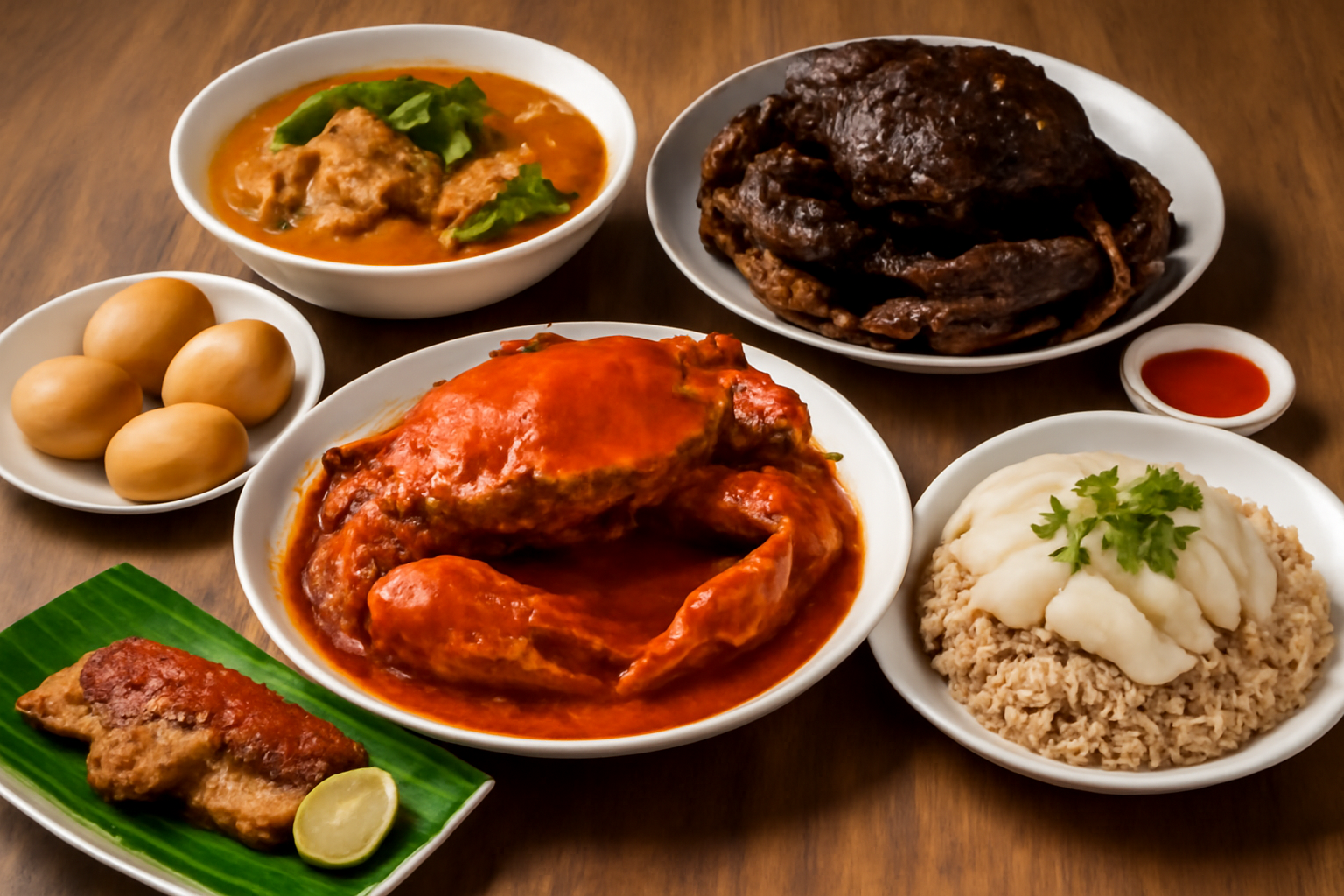
Exploring the Legendary Seafood Delights of Singapore
Singapore is a vibrant metropolis that stands at the crossroads of cultures and cuisines, and when it comes to its food scene,...
Read out all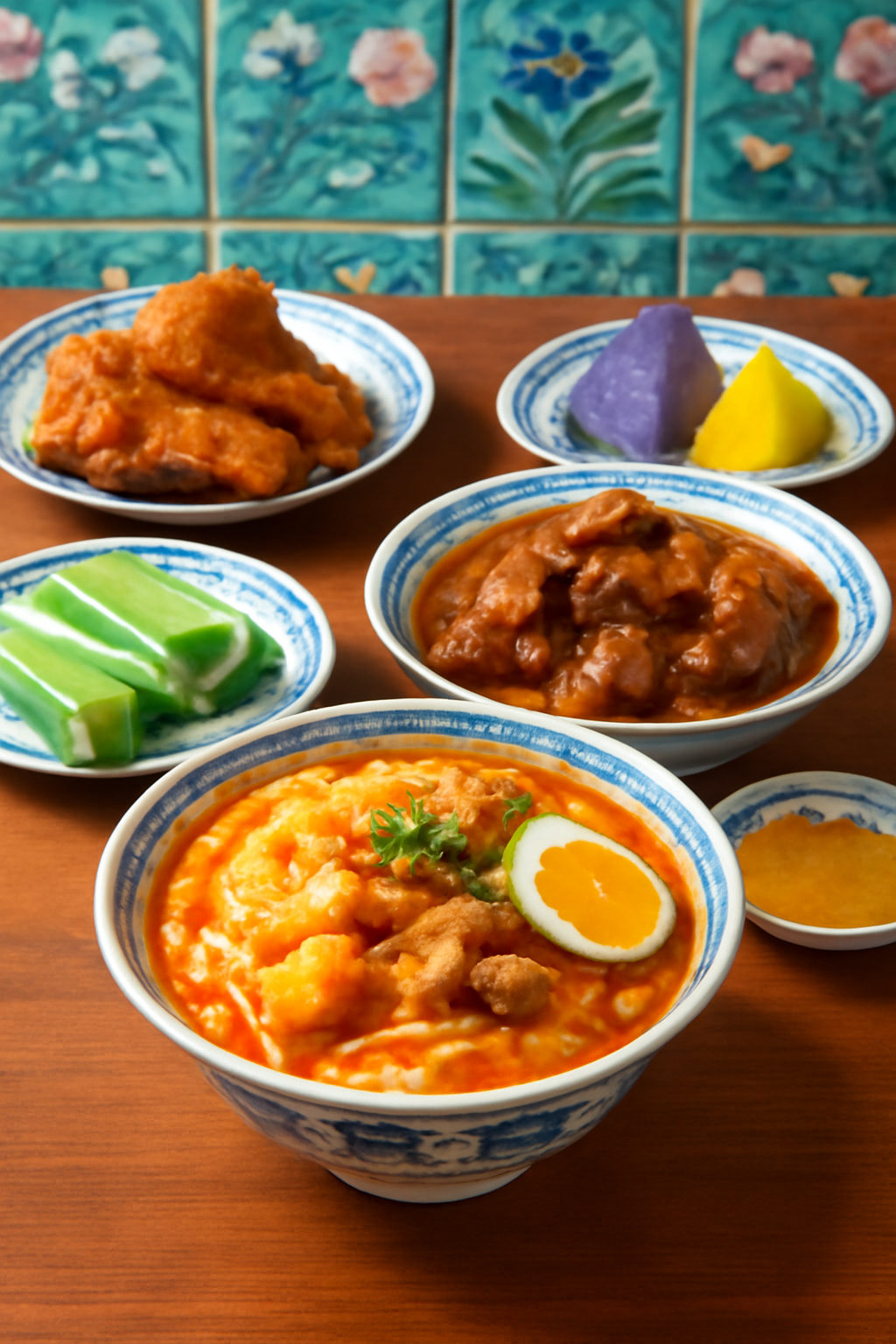
Exploring the Fusion of Malay and Chinese Influences in Peranakan Cuisine of Singapore
Peranakan cuisine, also known as Nyonya cuisine, is one of the most distinctive and fascinating culinary traditions in Singapore, stemming from the...
Read out all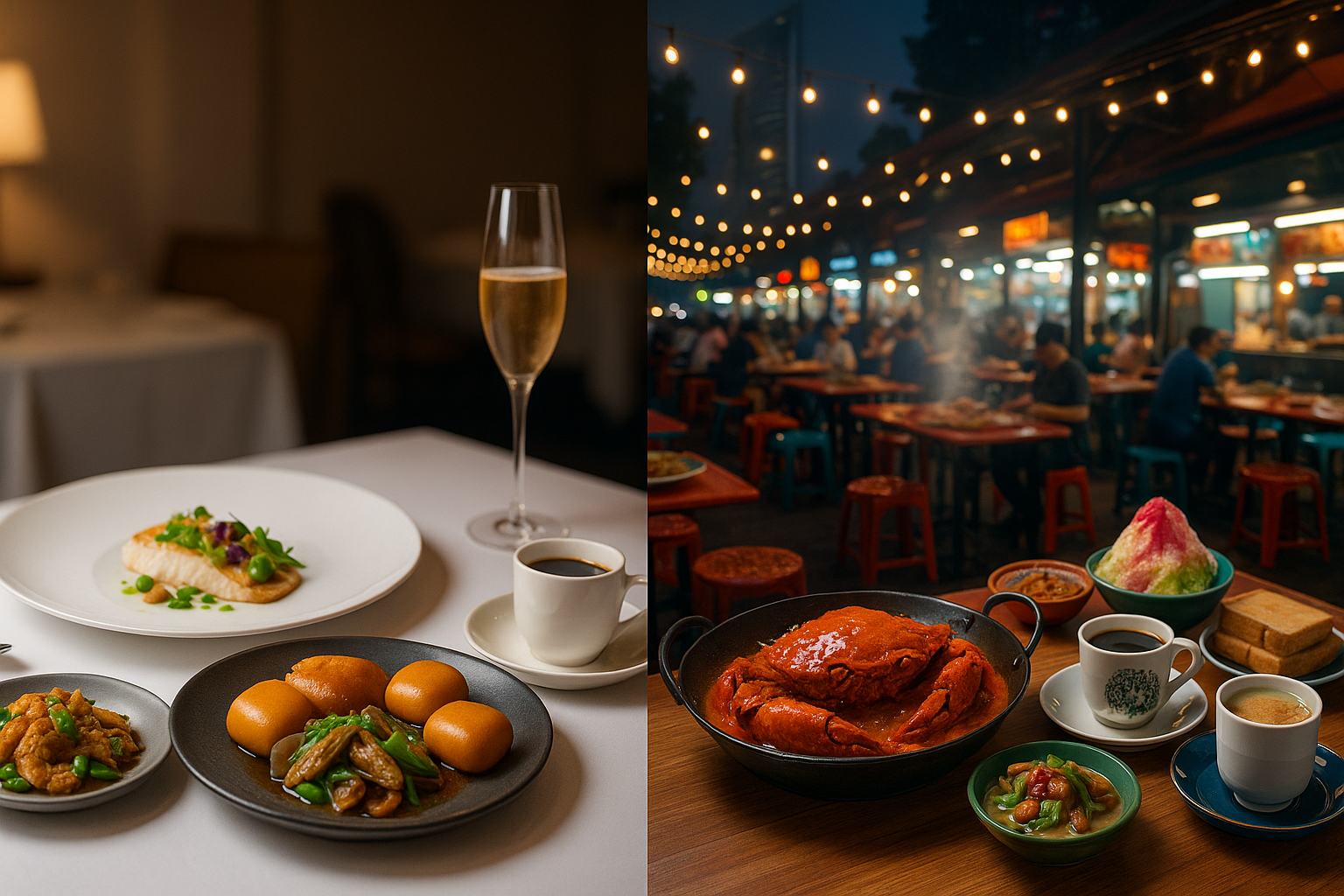
Neighborhood-by-Neighborhood: Where to Eat in Singapore Now
The smartest way to understand Singapore’s best restaurants is to map them to neighborhoods. Each district carries a flavor profile—some polished, some...
Read out all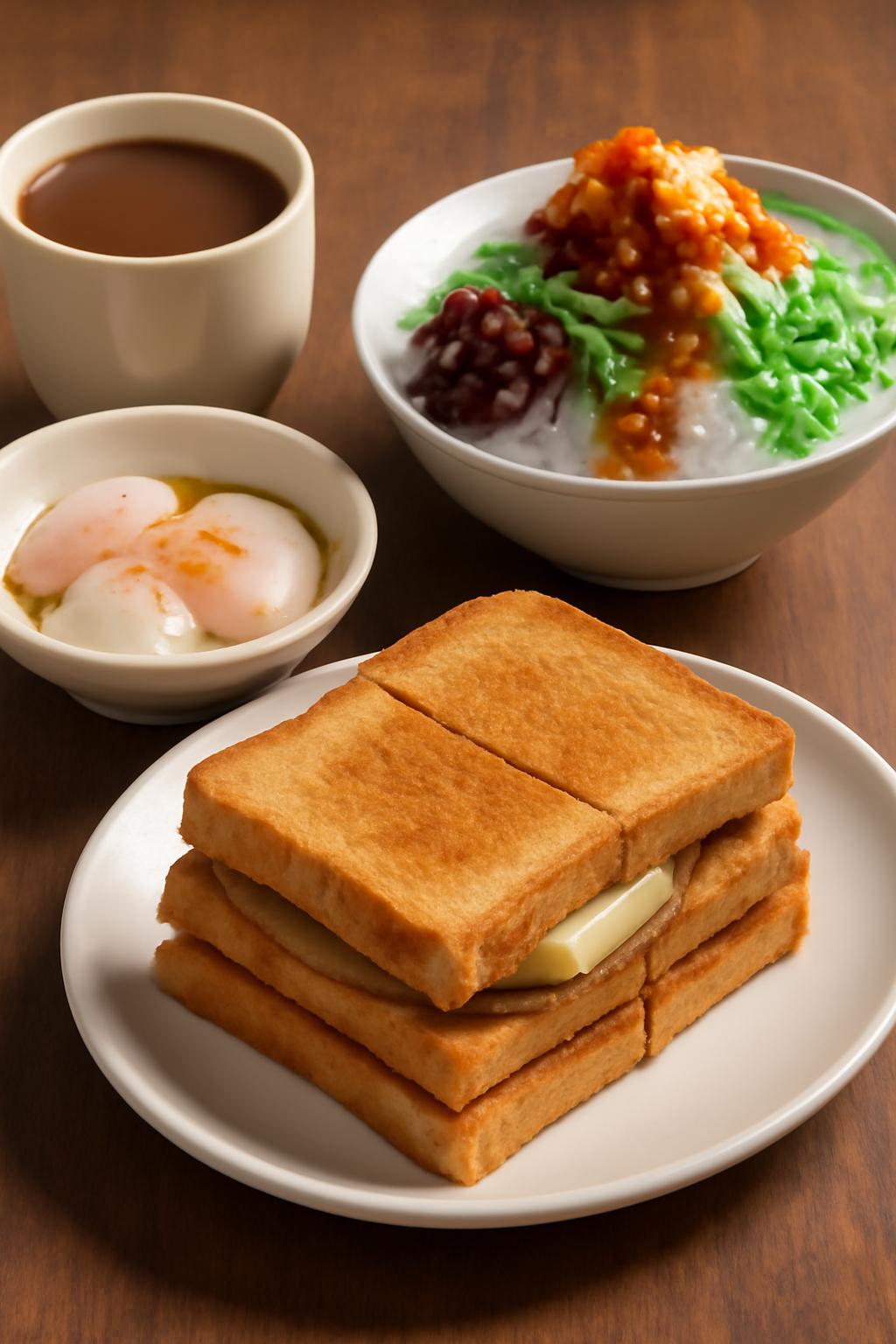
A Sweet Journey Through Singapore’s Traditional Desserts: Kaya Toast and Chendol
Singapore, with its rich heritage and diverse population, boasts an array of delicious desserts that offer a glimpse into the city’s multicultural...
Read out all