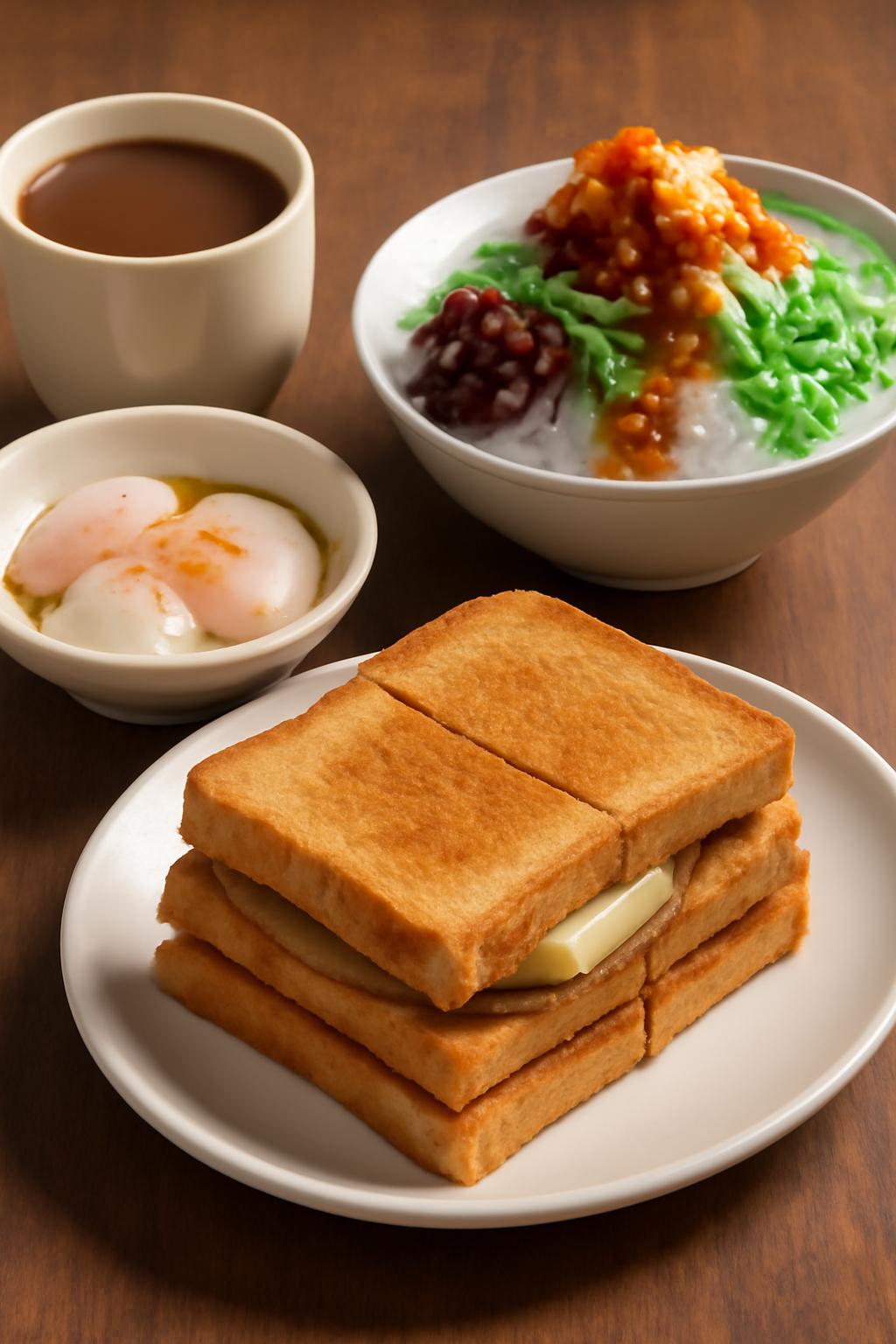
Singapore, with its rich heritage and diverse population, boasts an array of delicious desserts that offer a glimpse into the city’s multicultural influences. Among the most iconic and beloved of these are Kaya Toast and Chendol—two sweet treats that are part of the nation’s culinary fabric. These desserts are not only comforting but also serve as a reminder of Singapore’s history and cultural evolution.
Kaya Toast: The Quintessential Singaporean Snack
A quintessential breakfast item in Singapore, Kaya Toast is a simple but deeply flavorful dish. It consists of perfectly toasted bread spread with a generous layer of kaya—a sweet, velvety jam made from coconut milk, eggs, sugar, and pandan leaves. The bread is traditionally toasted over an open flame, which imparts a unique smokiness to the toast, enhancing the kaya’s sweetness.
Kaya Toast is typically enjoyed alongside a cup of Singaporean-style coffee or tea. The dish is often served with a side of soft-boiled eggs, lightly seasoned with soy sauce and pepper, creating an irresistible combination of flavors and textures. The soft bread, aromatic kaya, and creamy eggs offer a perfect harmony of taste that has been cherished for generations.
Chendol: The Ultimate Refreshing Dessert
For a cool and sweet treat, Chendol is a perfect choice, especially in Singapore’s tropical climate. This dessert features finely shaved ice topped with a mix of ingredients, including pandan-flavored jelly noodles, red beans, and sweet coconut milk, all drizzled with a luscious palm sugar syrup. The result is a refreshing, sweet, and creamy dessert that provides instant relief from the heat.
The distinctive green color of Chendol comes from the pandan leaves used to make the jelly noodles, which are chewy and delightful to eat. The combination of coconut milk and palm sugar syrup adds a richness that perfectly complements the cool ice, making this dish a favorite on hot days.
Exploring More Singaporean Desserts
In addition to Kaya Toast and Chendol, Singapore offers a range of other traditional desserts that reflect the nation’s diverse influences. Kueh Dadar, for example, is a rolled pandan pancake filled with sweet coconut filling. Its bright green color and sweet coconut center make it a popular snack for those with a sweet tooth. Ice Kachang, another well-known dessert, consists of shaved ice topped with colorful ingredients like red beans, corn, and agar agar, all soaked in flavored syrup.
Chinese-inspired desserts are also an integral part of Singapore’s sweet offerings. Tau Suan, a warm mung bean soup, has a smooth, comforting consistency, while Orh Nee, a yam paste dessert, is often enjoyed during festive occasions like the Chinese New Year.
A Culinary Tapestry of Flavors
Each traditional Singaporean dessert is a testament to the island’s rich multicultural history. Whether it’s the classic Kaya Toast, which brings together Malay and Chinese influences, or the cooling Chendol, with its melding of Southeast Asian flavors, these sweets embody the spirit of the nation. Today, they continue to delight locals and visitors alike, offering a delicious taste of Singapore’s past and present.
Author

Clara@gmail.com
Related Posts
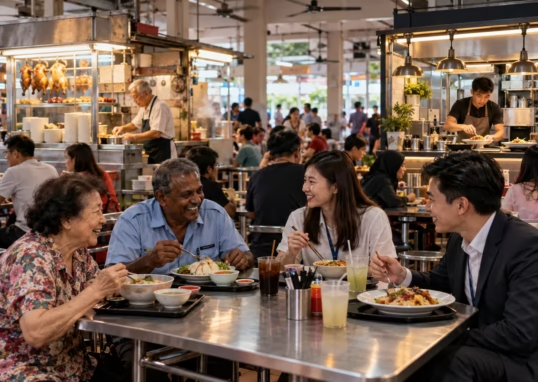
Heritage Under Pressure: Can Neo-Hawker Cuisine Save Singapore’s UNESCO Food Culture?
- 0
- 407 words
The Succession Crisis Nobody Talks About Singapore’s hawker culture is a UNESCO-listed intangible cultural heritage, but its future is far from secure....
Read out all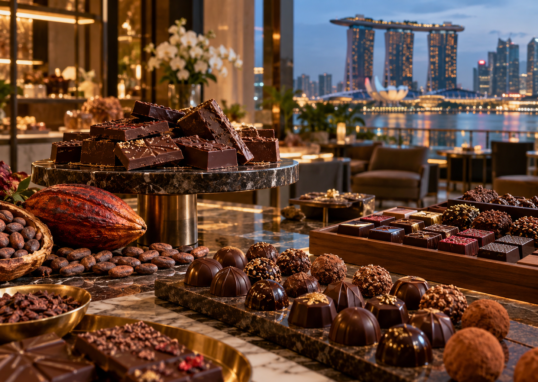
Inside Singapore’s Bean-to-Bar Revolution: The Artisans Redefining Chocolate Craft
- 0
- 535 words
From Supermarket Shelves to Craft Workshops Singapore’s artisanal chocolate movement has evolved from a niche curiosity into a formidable force within the...
Read out all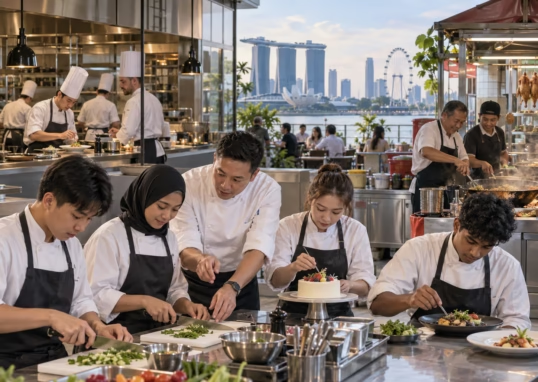
At-Sunrice GlobalChef Academy and the “East-Meets-West” Chef Training Model
- 0
- 437 words
At-Sunrice GlobalChef Academy occupies a distinct position in Singapore’s culinary education market: it is neither a government technical institute nor a traditional...
Read out all
Quick Commerce Revolution: How Singapore’s Grocery Delivery Market Is Reshaping Urban Convenience
- 0
- 431 words
The Speed Economy Comes to Singapore’s Groceries Singapore’s relationship with grocery shopping is undergoing a fundamental transformation. What was once a weekly...
Read out all
Cultivated Beef Meets Frozen Formats: Singapore’s Regulatory Breakthrough Opens New Product Frontiers
- 0
- 474 words
A Regulatory First That Ripples Through the Freezer Aisle In August 2026, the Singapore Food Agency approved Aleph Farms’ cultivated thin-cut steak...
Read out all
Why Korean Convenience Store Culture and Street Food are Taking Over Singapore’s Snack Scene
- 0
- 448 words
While high-end Korean restaurants capture the attention of critics, the true penetration of Korean culture in Singapore is happening on the streets...
Read out all