
Singapore’s pharmaceutical industry is built on a carefully designed innovation ecosystem that links government, academia, and industry. Rather than growing organically, the sector has been guided by long-term national strategies that treat biomedical sciences as a core economic and societal priority. This intentional planning has helped Singapore attract global pharmaceutical firms, nurture local biotech companies, and build capabilities that span research, development, and manufacturing.
Government roadmaps for research, innovation, and enterprise have allocated substantial funding to life sciences, medical technology, and related disciplines. These programmes support basic research, translational projects, and industry partnerships. Tax incentives, competitive grant schemes, and co-funding arrangements encourage companies to site regional headquarters, manufacturing plants, and R&D centres in Singapore. At the same time, robust governance and transparent regulations make the environment predictable for long-term investments.
Biologics and other complex therapies are a particular strength. Several multinational companies operate facilities in Singapore dedicated to monoclonal antibodies, recombinant proteins, and other biologic products. The country has also invested in capabilities related to vaccines and newer modalities, reflecting lessons from global health crises. Flexible plant designs, modular production lines, and single-use technologies allow manufacturers to respond more quickly to changing demand or new product pipelines.
Digitalisation and “Industry 4.0” practices are deeply embedded in many pharmaceutical operations. Advanced analytics, digital twins, and integrated manufacturing execution systems support real-time monitoring and continuous improvement. Robots and automated guided vehicles are increasingly used for material handling, while AI tools support predictive maintenance and quality analytics. These technologies not only improve efficiency but also help ensure compliance with stringent regulatory expectations.
Alongside large multinational firms, Singapore has nurtured a growing community of biotech and pharmaceutical startups. Incubators, shared lab facilities, and venture capital networks help early-stage companies develop novel therapies, drug delivery systems, and platform technologies. Many of these young firms collaborate closely with academic centres and hospitals, focusing on areas such as oncology, immunology, and rare diseases. The presence of big pharma in the same ecosystem creates opportunities for licensing deals, co-development, or acquisition.
Regionally, Singapore serves as a strategic coordination hub for pharmaceutical operations across Asia-Pacific. Many companies base their regional regulatory, medical affairs, supply chain, and commercial teams in the city-state. This central role is supported by efficient connectivity, a skilled multinational workforce, and a legal framework that supports complex cross-border activities. As demand for healthcare in Asia continues to grow, Singapore’s pharmaceutical ecosystem is likely to deepen its role as both an innovation node and a bridge between global companies and regional markets.
Author

Clara@gmail.com
Related Posts
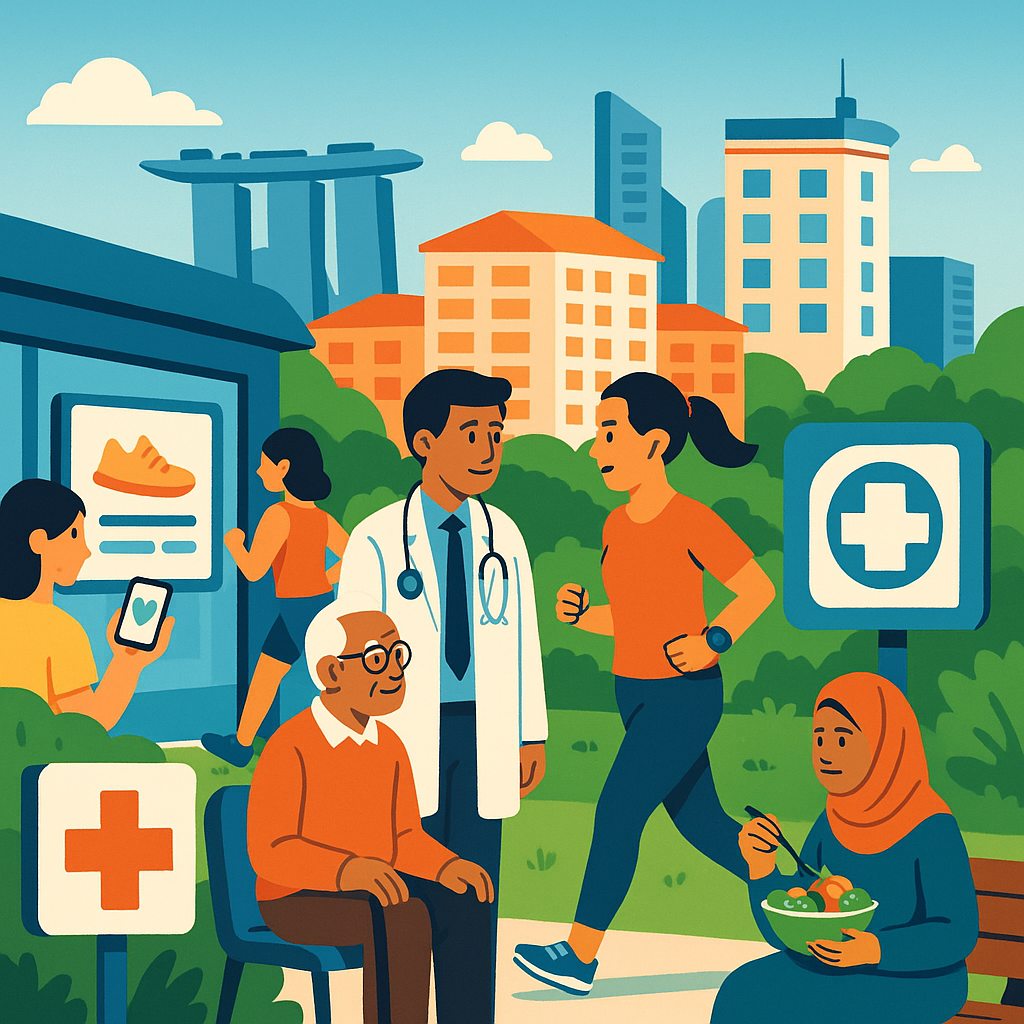
How Singapore’s Government Shapes the Health of Its People
Public health in Singapore is not left to chance. The government deliberately designs structures and policies that influence how people fall ill,...
Read out all
Health-Conscious Dining in Singapore: Eating Trends and Lifestyle Choices
In recent years, Singapore has emerged as a hub for health-conscious dining, where wellness and culinary creativity converge. The city-state’s rich food...
Read out all
What Quality Elderly Care Looks Like in Singapore—From Policy to Practice
Elderly care in Singapore operates as an integrated network rather than isolated services. It connects hospitals, community partners, and home-based teams to...
Read out all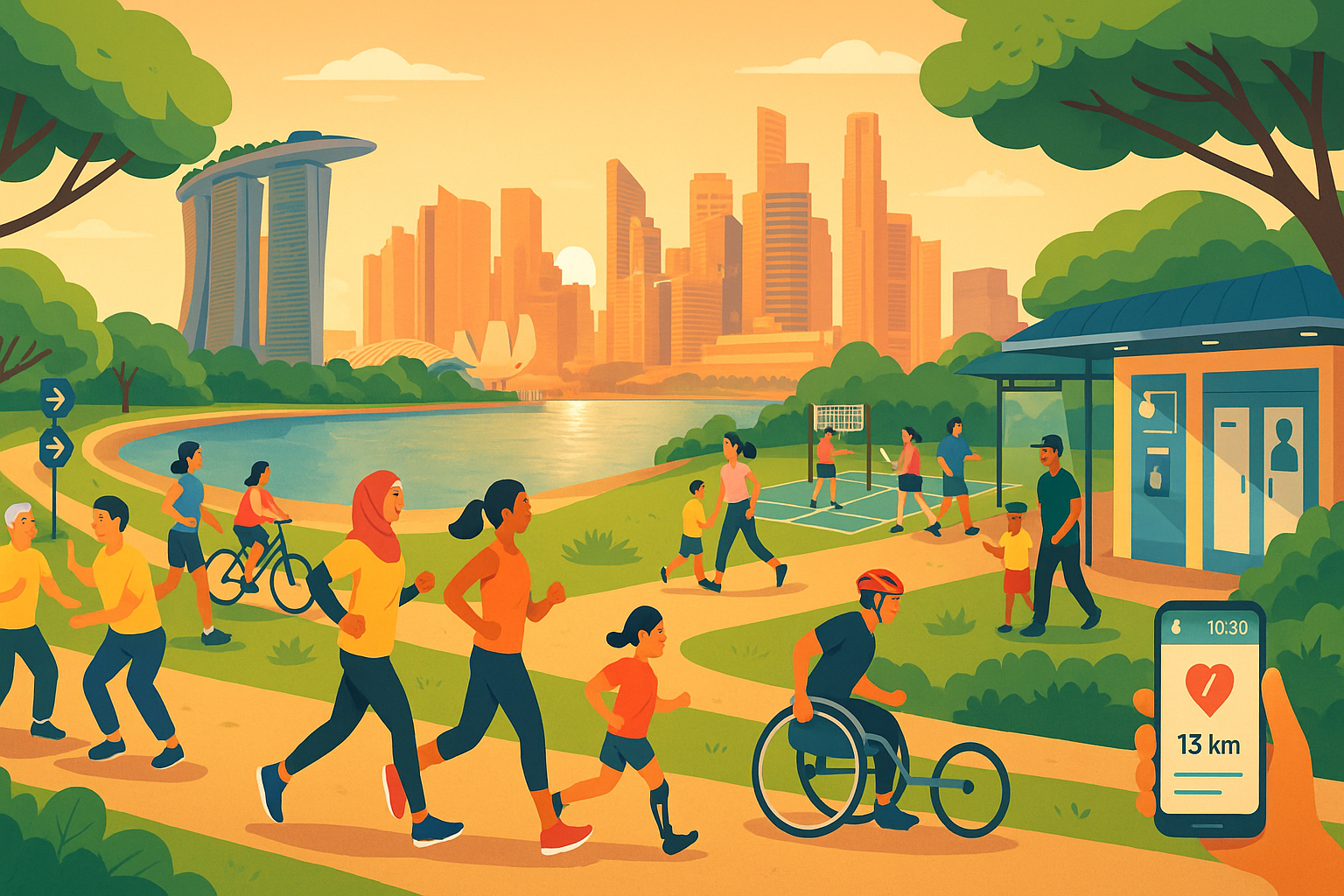
Health in Motion: Singapore’s Whole-of-Society Approach to Active Living
Singapore demonstrates that a city can turn health promotion into a shared endeavor, aligning ministries, schools, employers, and neighborhoods around active living....
Read out all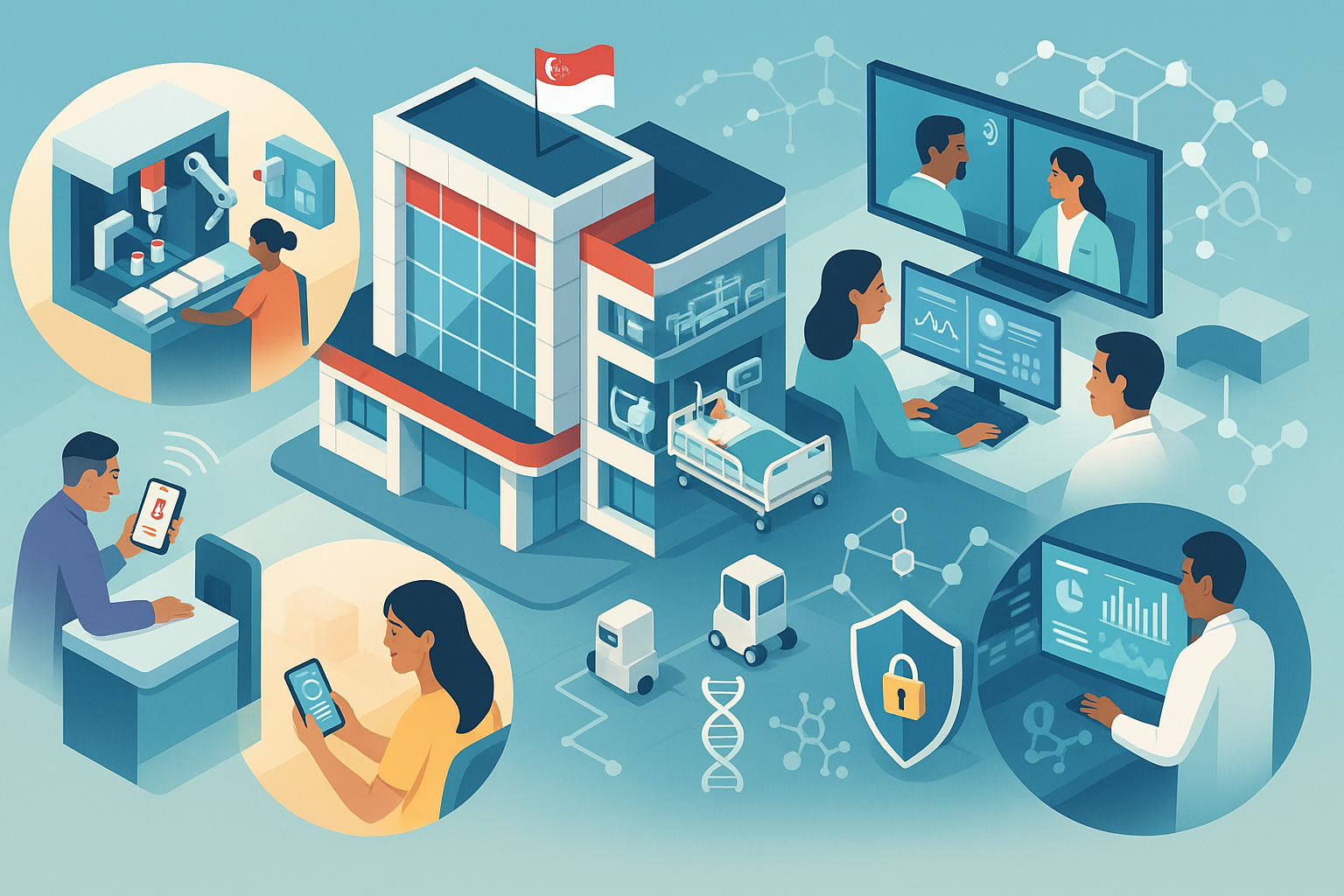
Inside a Tech-Enabled Care Journey in Singapore
Picture a typical patient journey in Singapore and you’ll see technology at every turn. It begins before arrival: a resident opens HealthHub...
Read out all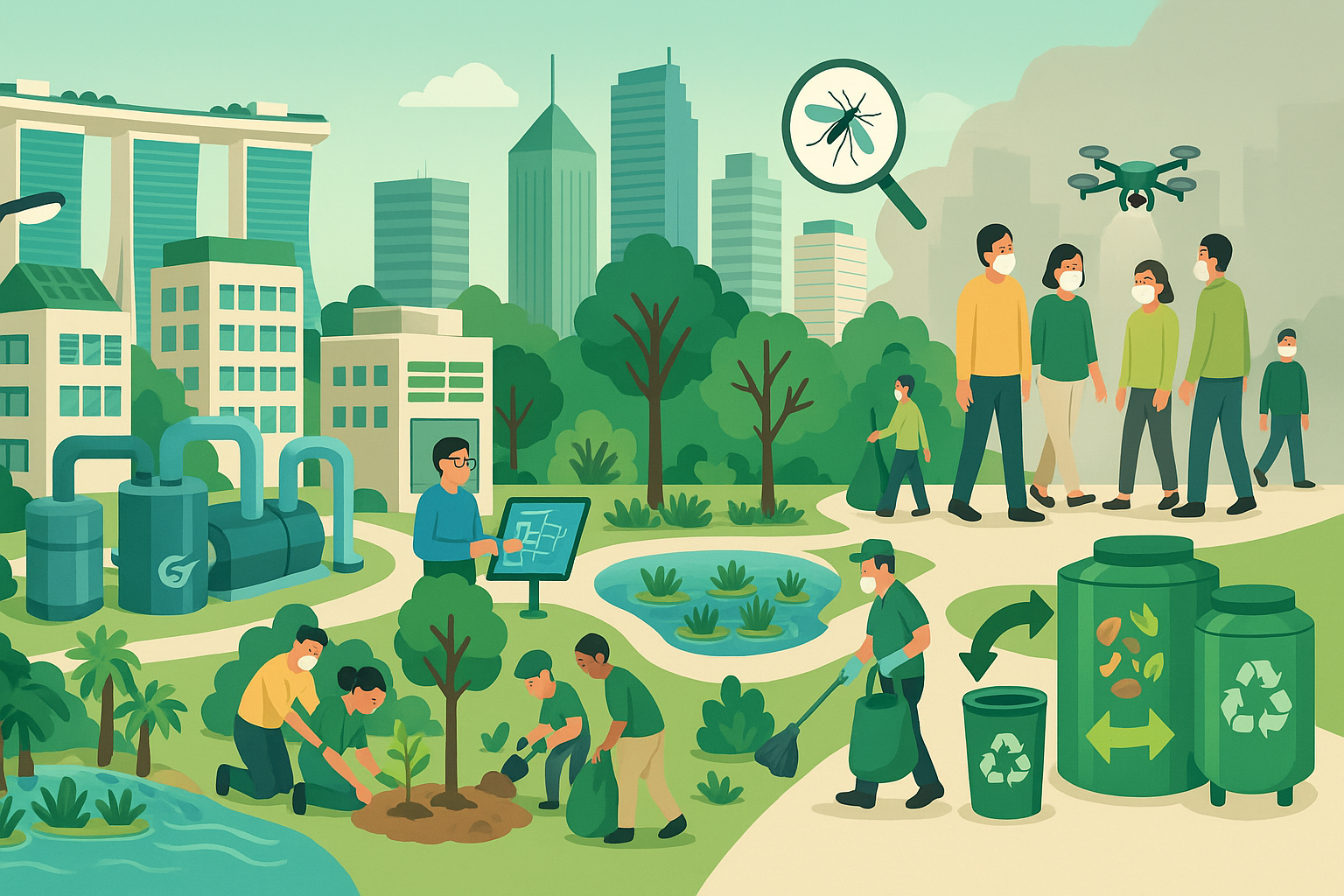
Health First: How Pollution Control Protects People in Singapore
In Singapore, environmental policy is ultimately health policy. The city-state’s approach prioritizes human outcomes—fewer respiratory attacks, safer drinking water, cooler neighborhoods—by managing...
Read out all