- 0
- 430 words
Singapore’s Food Scene Evolves Beyond Traditional Dining
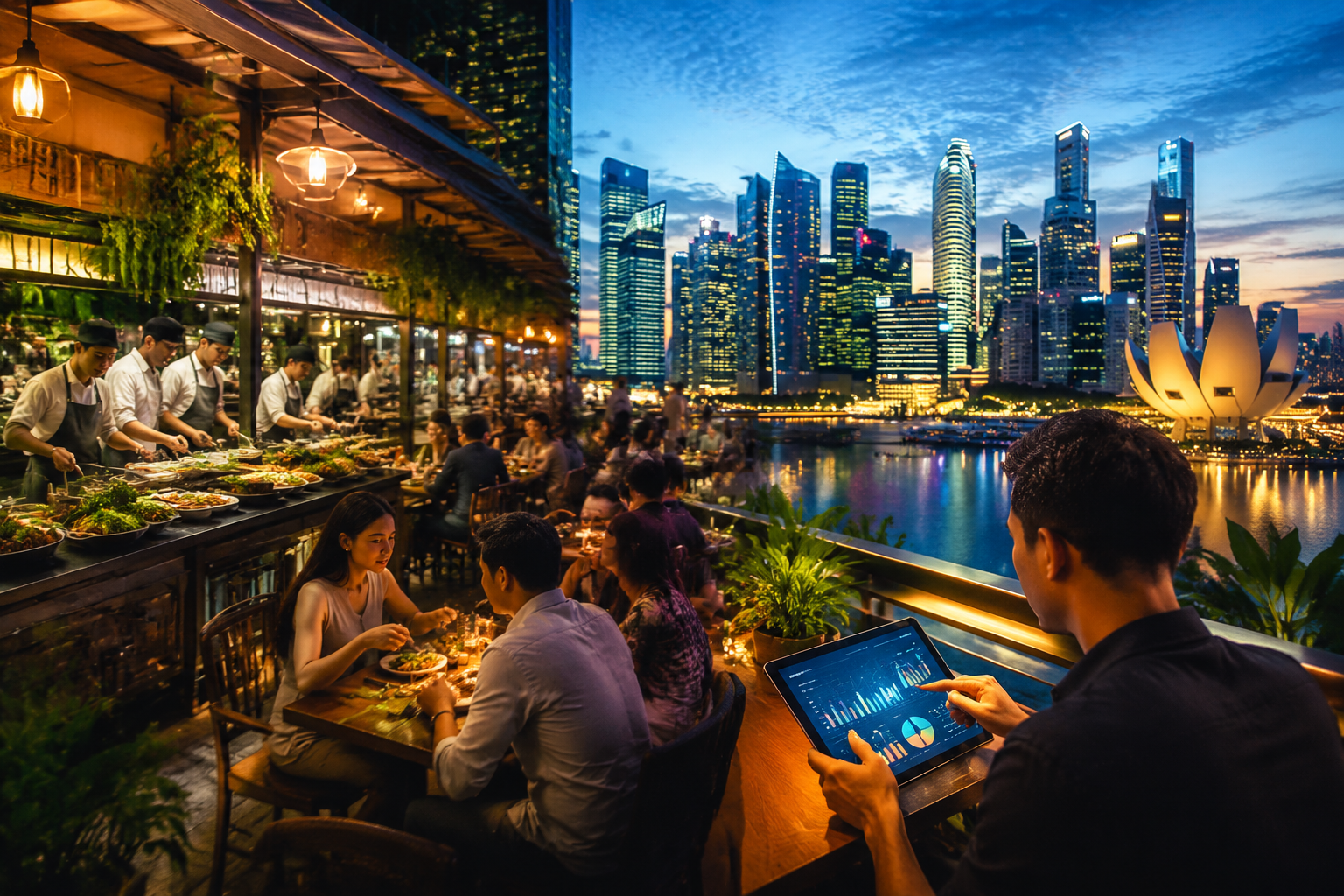
Singapore has long been recognized as a global food destination where hawker culture, fine dining restaurants, cafes, and international franchises compete within a limited but highly valuable market.
In 2026, competition among restaurant businesses has become more sophisticated. Restaurants are no longer competing only through taste and pricing but through complete customer experiences that include atmosphere, digital engagement, brand identity, and service quality.
The modern Singapore restaurant industry reflects a transformation from traditional food selling into experience-based business development.
Branding Becomes a Key Weapon in Restaurant Competition
Building Emotional Connections With Customers
A strong restaurant brand can create customer loyalty even when competitors offer similar products.
Many Singapore restaurants are investing heavily in storytelling, using their background, cultural identity, and culinary philosophy as marketing tools.
Examples include restaurants that highlight:
- Heritage recipes
- Local ingredients
- Family ownership stories
- Chef expertise
- Sustainable practices
This strategy helps businesses create emotional value beyond the food itself.
In a crowded market, customers often choose restaurants based on the overall experience and brand reputation rather than price alone.
The Rise of Experience-Based Dining Concepts
Restaurants Become Lifestyle Destinations
Singapore consumers increasingly view restaurants as places for social interaction, business meetings, celebrations, and entertainment.
Because of this shift, many operators are redesigning their concepts with:
- Unique interior design
- Interactive dining experiences
- Open kitchen concepts
- Seasonal menus
- Chef-led storytelling
Fine dining establishments especially use exclusivity and personalized services to differentiate themselves from competitors.
Technology Improves Customer Engagement
Digital platforms have changed how restaurants attract and retain customers.
Modern restaurant strategies include:
- Personalized promotions through customer data
- Online reservation systems
- Social media marketing campaigns
- Digital membership programs
Platforms such as Singapore Tourism Board’s market insights also highlight the importance of tourism and visitor spending patterns in shaping hospitality businesses.
Source: https://www.stb.gov.sg/
Local Restaurants Compete Against Global Brands
Singapore’s restaurant ecosystem includes international names from Japan, Korea, China, Europe, and the United States.
Global chains typically benefit from:
- Strong financial resources
- International recognition
- Established operational systems
However, local restaurants maintain advantages through cultural understanding and faster adaptation to local preferences.
For example, Singapore-based brands can quickly adjust menus according to regional tastes, religious dietary requirements, and local dining habits.
Strategic Adaptation Determines Market Survival
The strongest restaurant businesses in Singapore are those that continuously adjust their strategies.
Successful operators focus on:
- Understanding customer behavior
- Improving operational efficiency
- Creating memorable experiences
- Maintaining consistent quality
The restaurant industry in Singapore demonstrates that innovation is no longer optional. Businesses must continuously evolve because consumer expectations and market conditions change rapidly.
Author

Clara@gmail.com
Related Posts
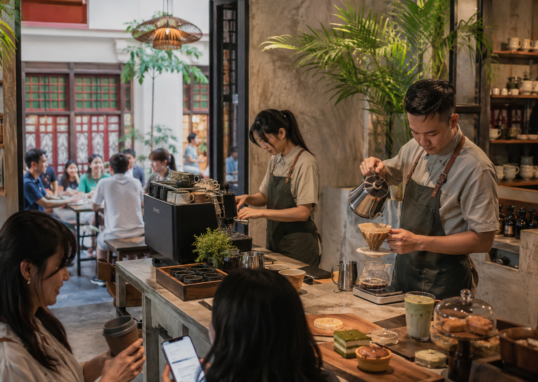
How Singapore’s Café Businesses Are Redefining Urban Lifestyle Through Specialty Coffee, Innovation, and Local Entrepreneurship
- 0
- 632 words
Singapore’s café industry has developed into a major lifestyle sector, where coffee shops have evolved from simple beverage providers into destinations for...
Read out all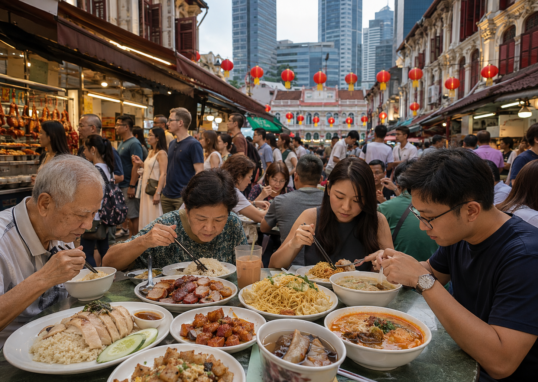
Inside Singapore Chinatown’s 2026 Dining Culture: Iconic Hawker Dishes, Old Recipes, and New Food Trends
- 0
- 645 words
Why Chinatown Remains a Food Landmark In 2026, Chinatown Singapore continues to be one of the clearest places to understand the country...
Read out all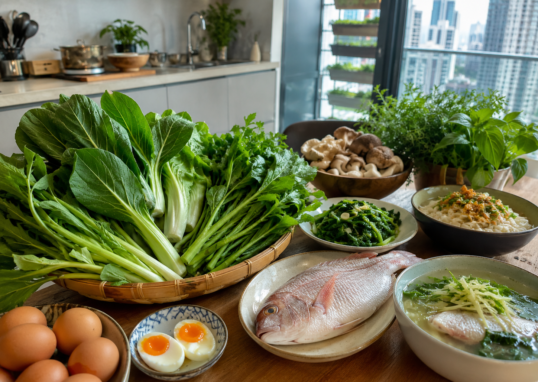
Local Ingredients in Singaporean Cuisine Matter
- 0
- 2,257 words
Singaporean food is famous for its rich mix of Malay, Chinese, Indian, Peranakan, and global influences. From laksa and nasi lemak to...
Read out all
Singapore Cuisine as a Tool of Global Cultural Influence
- 0
- 305 words
Food is one of the most powerful forms of cultural diplomacy, and Singapore has effectively used its cuisine to strengthen its global...
Read out all
Exploring Singapore’s Famous Street Food: Satay, Laksa, and More
Singapore is widely known as a food paradise, and much of its reputation comes from its vibrant street food culture. Across the...
Read out all
A Culinary Tour Across Singapore’s Neighborhoods
Singapore is a gastronomic treasure trove where every district has its own culinary personality. From street stalls to upscale eateries, exploring the...
Read out all