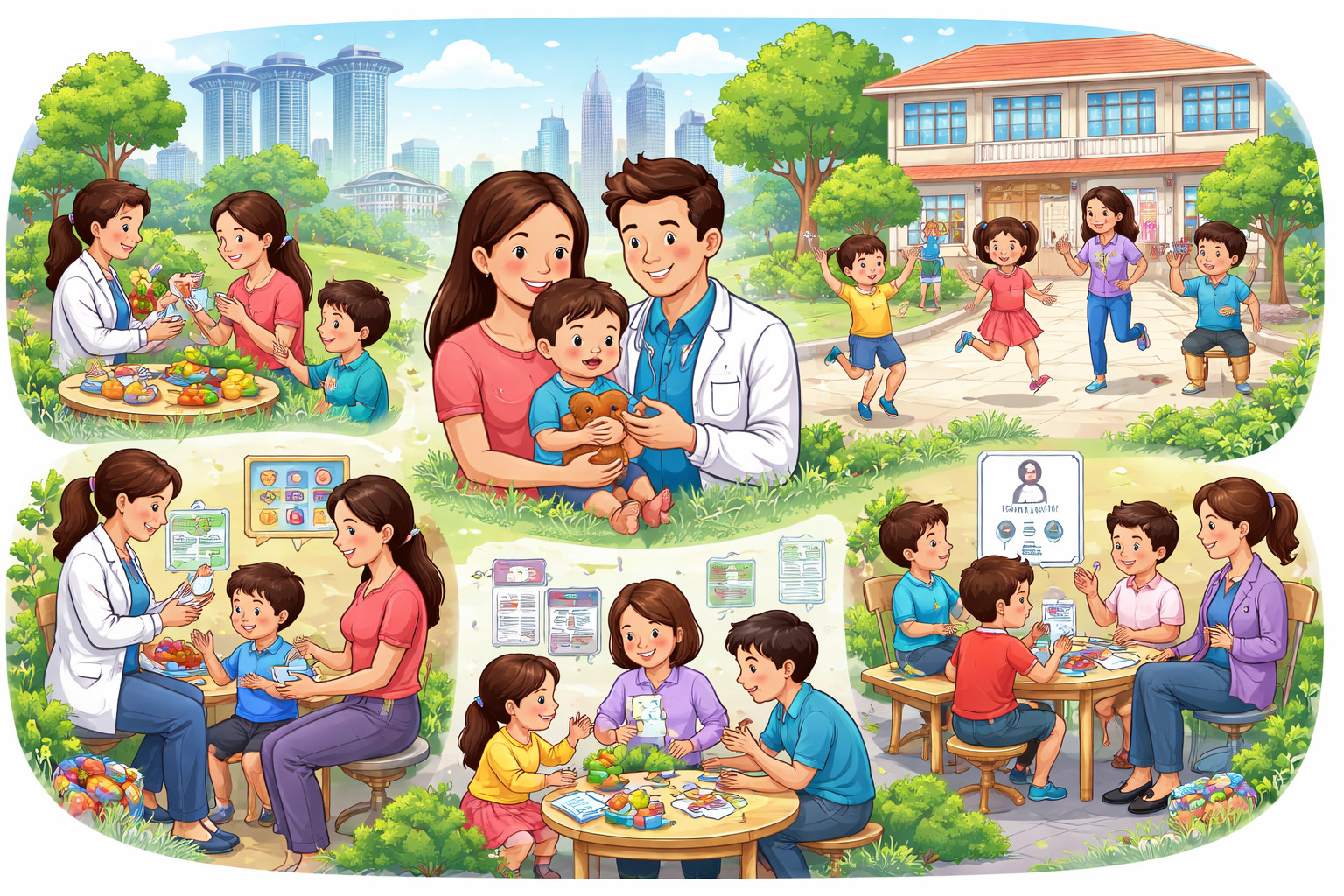
Child health in Singapore is shaped by a comprehensive public health model that aims to support children from their earliest years until their teenage period. Rather than focusing only on hospitals and treatment, Singapore places strong emphasis on prevention, regular monitoring, and community-based support. This approach has helped the country create an environment where children benefit from both medical services and health education in daily life.
A key feature of this system is the use of routine health and developmental assessments. During infancy and early childhood, medical professionals track physical growth, developmental milestones, and general well-being. These visits allow doctors and nurses to identify concerns related to mobility, communication, nutrition, or behavior at an early stage. Early recognition is essential because children often respond better to intervention when support begins as soon as possible. This also gives parents time to understand their child’s needs and make informed decisions.
Vaccination remains one of the most important child health measures in Singapore. Public health authorities encourage families to follow immunization schedules designed to protect children against serious infectious diseases. Vaccines do more than shield individual children; they also strengthen public safety by reducing the spread of disease within schools, childcare settings, and communities. Singapore’s strong healthcare infrastructure supports this effort by making immunization guidance accessible and widely understood.
Another important aspect of Singapore’s child health landscape is nutrition promotion. Healthy eating habits are encouraged through national campaigns, school initiatives, and parental education. Children are taught the importance of fruits, vegetables, balanced meals, and reduced intake of sugar-heavy foods and drinks. This is especially valuable in a highly urbanized society, where convenient processed food can easily become a regular part of daily life. Nutrition education supports healthy growth, brain development, and immunity while also reducing the future risk of obesity and metabolic disorders.
Physical activity is promoted alongside dietary awareness. Schools and community programs encourage children to remain active through sports, movement-based learning, and recreational opportunities. Exercise contributes not only to physical strength and cardiovascular health but also to concentration, emotional regulation, and social development. In this sense, Singapore’s child health initiatives connect body and mind instead of treating them separately.
School-based health services are another practical strength. Since nearly all children spend much of their time in school, the education system provides an effective channel for screenings and health promotion. Students may undergo checks related to vision, hearing, dental health, and posture. These screenings help detect problems that may interfere with academic performance or daily functioning. Early referrals make treatment more timely and often more effective.
Singapore has also expanded attention to children’s mental well-being. Emotional health, stress management, and behavioral challenges are increasingly recognized as vital parts of pediatric care. Support may be offered through school counseling, family guidance, specialist services, and awareness campaigns that help reduce stigma. This is particularly significant in high-pressure educational and social environments where some children may struggle silently without visible physical symptoms.
Children with developmental conditions or special healthcare needs receive dedicated support through early intervention and specialist services. These initiatives can include therapy, developmental programs, and coordinated care involving healthcare professionals, educators, and caregivers. The goal is not only to improve medical outcomes but also to strengthen independence, communication, and participation in daily life.
Singapore’s model demonstrates that child health is most effective when prevention, education, screening, and intervention work together. By combining these elements, the country supports children in a way that is structured, practical, and centered on long-term well-being.
Author

Clara@gmail.com
Related Posts

Innovation Ecosystem and Policy Support in Singapore’s Pharmaceutical Sector
Singapore’s pharmaceutical industry is built on a carefully designed innovation ecosystem that links government, academia, and industry. Rather than growing organically, the...
Read out all
How Singapore’s Government Shapes the Health of Its People
Public health in Singapore is not left to chance. The government deliberately designs structures and policies that influence how people fall ill,...
Read out all
Health-Conscious Dining in Singapore: Eating Trends and Lifestyle Choices
In recent years, Singapore has emerged as a hub for health-conscious dining, where wellness and culinary creativity converge. The city-state’s rich food...
Read out all
What Quality Elderly Care Looks Like in Singapore—From Policy to Practice
Elderly care in Singapore operates as an integrated network rather than isolated services. It connects hospitals, community partners, and home-based teams to...
Read out all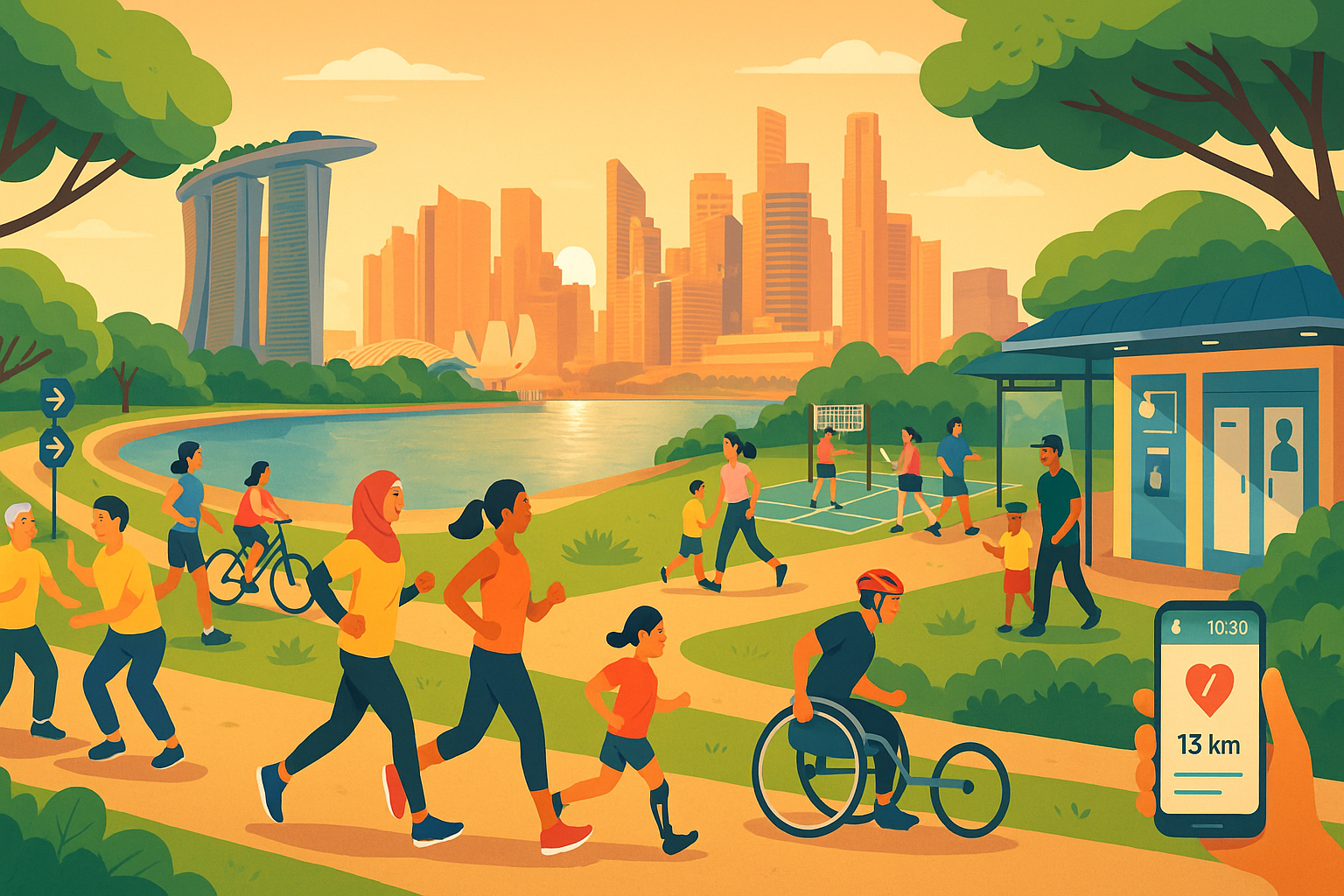
Health in Motion: Singapore’s Whole-of-Society Approach to Active Living
Singapore demonstrates that a city can turn health promotion into a shared endeavor, aligning ministries, schools, employers, and neighborhoods around active living....
Read out all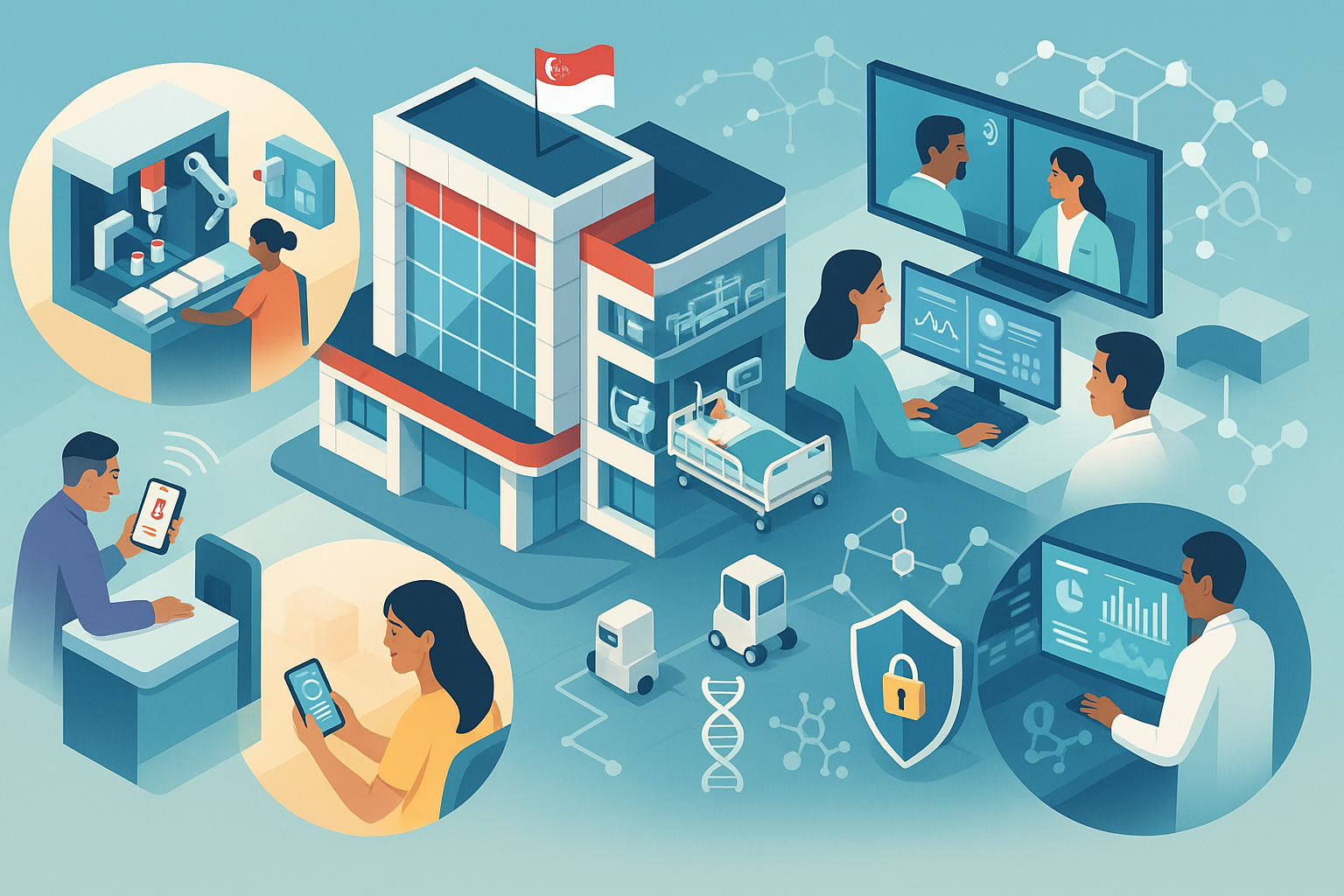
Inside a Tech-Enabled Care Journey in Singapore
Picture a typical patient journey in Singapore and you’ll see technology at every turn. It begins before arrival: a resident opens HealthHub...
Read out all