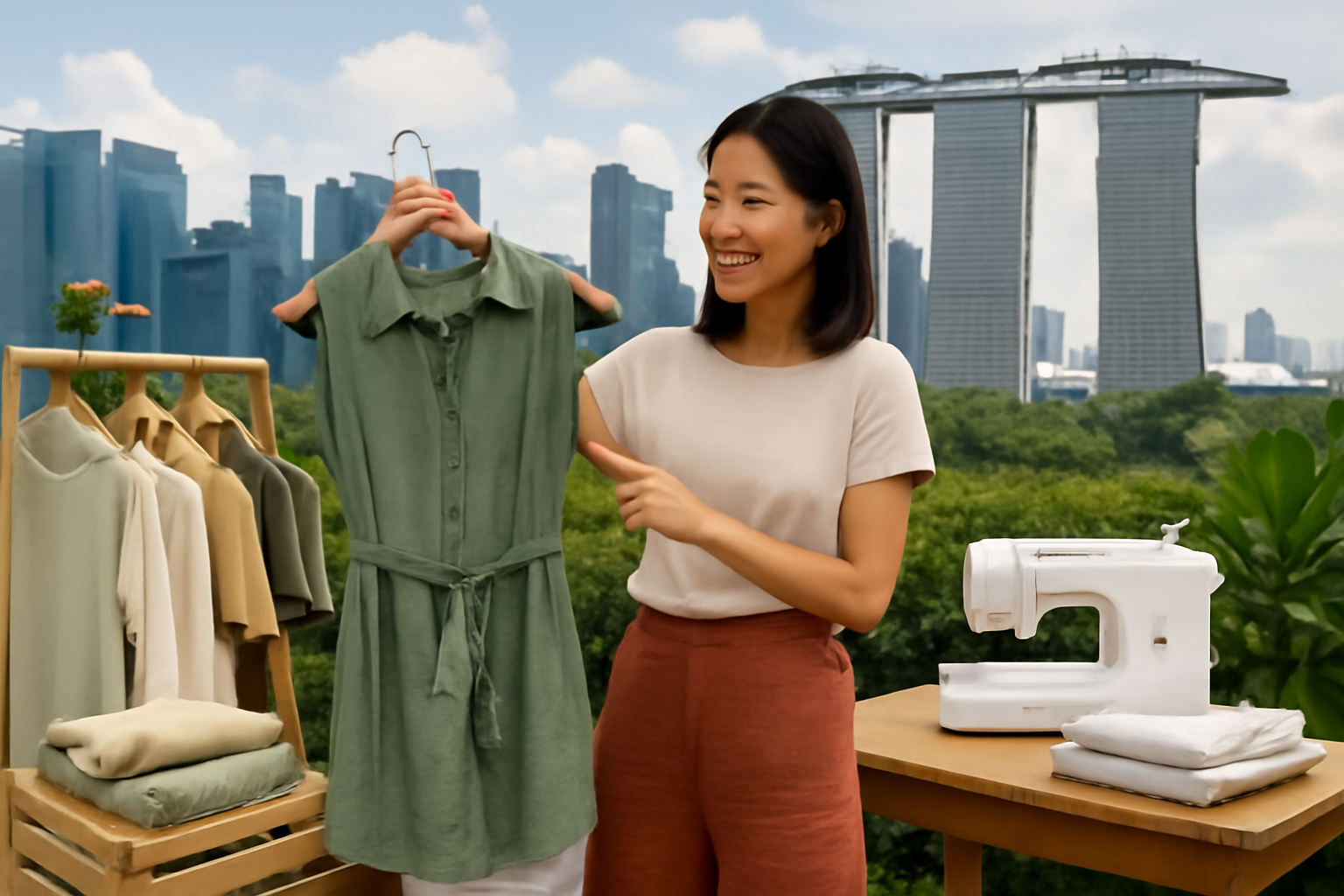
The fashion industry in Singapore is undergoing a profound transformation as sustainability becomes a core focus for both consumers and businesses. In response to the negative environmental impact of traditional fashion practices, many local designers and brands are adopting eco-friendly materials and ethical manufacturing processes. This shift is not only redefining how clothes are made but also how they are consumed and disposed of.
As environmental concerns such as waste, pollution, and resource depletion continue to rise, the fashion industry is facing increasing pressure to change. Fast fashion, which is notorious for its wastefulness and environmental footprint, has prompted a movement towards more responsible alternatives. Singapore, known for its forward-thinking policies and innovation, is leading the way by encouraging eco-conscious fashion solutions that prioritize sustainability and reduce harm to the environment.
Brands in Singapore are making significant strides toward sustainability. Designers are turning to natural fibers such as hemp, organic cotton, and even biodegradable materials like mushroom leather. These alternatives to conventional fabrics help reduce reliance on harmful chemical processes and limit pollution. Brands such as Zalora’s Pre-Loved and Oasis Studio are capitalizing on this trend by creating fashion lines that are both stylish and eco-friendly, offering consumers clothing that is made with sustainable materials.
Moreover, there has been a noticeable shift towards circular fashion, a concept that encourages the reuse, recycling, and repurposing of clothing. In Singapore, fashion retailers are increasingly offering repair and recycling services, encouraging consumers to return old clothes for refurbishment rather than sending them to landfills. Additionally, clothing swaps and second-hand shops have gained traction in the city, where individuals can exchange garments or buy pre-loved fashion at affordable prices.
Incorporating sustainable practices in fashion also involves a focus on ethical labor practices. Brands like Ticino and Fashionswap are leading the way by ensuring that their production processes meet fair labor standards, providing fair wages and working conditions for garment workers. By supporting brands that prioritize both sustainability and ethics, consumers in Singapore are helping to build a fashion industry that is both responsible and equitable.
The Singapore government is also playing an important role in this transformation. Through initiatives like the Circular Economy Taskforce and Green Mark Certification for businesses, the government is incentivizing the fashion industry to adopt sustainable and eco-friendly practices. These efforts are critical in reducing the environmental impact of Singapore’s fashion sector and encouraging businesses to adopt greener approaches.
As Singapore continues to embrace sustainability, its fashion industry is evolving into one that values long-term ecological well-being over short-term profit. The city-state’s commitment to fostering a sustainable fashion ecosystem, coupled with the growing demand for eco-conscious products, is setting the stage for a greener future in fashion.
Author

Clara@gmail.com
Related Posts
How Social Media is Shaping Fashion Trends in Singapore
Social media has revolutionized the way fashion trends emerge and spread worldwide. In Singapore, a global fashion epicenter, social media plays a...
Read out all
How Singapore’s Festivals Became a Stage for Homegrown Designers
In recent years, festivals in Singapore have evolved into dynamic stages where local fashion designers can shine. Whether at large-scale music festivals,...
Read out all
Top Fashion Spots in Singapore: A Deep Dive into the City’s Malls
Singapore’s fashion identity is shaped by its role as a global crossroads. The city blends Asian influences with Western trends, and its...
Read out all
Threads and Tastes: Designing Cross‑Sensory Brand Moments
Food and fashion share the same stagecraft: color theory, texture, and seasonal rhythm. Bringing them together lets marketers orchestrate experiences that lodge...
Read out all
Fashion for All: The Role of Inclusivity in Singapore’s Fashion Scene
Singapore’s fashion industry is undergoing a significant transformation, as the concept of inclusivity continues to gain momentum across the city-state. For decades,...
Read out all
Dressing for the Heat: Summer Fashion Tips for Singapore’s Tropical Climate
With Singapore’s consistent tropical heat, fashion enthusiasts must prioritize both style and practicality. The hot and humid weather creates a challenge for...
Read out all