- 0
- 410 words
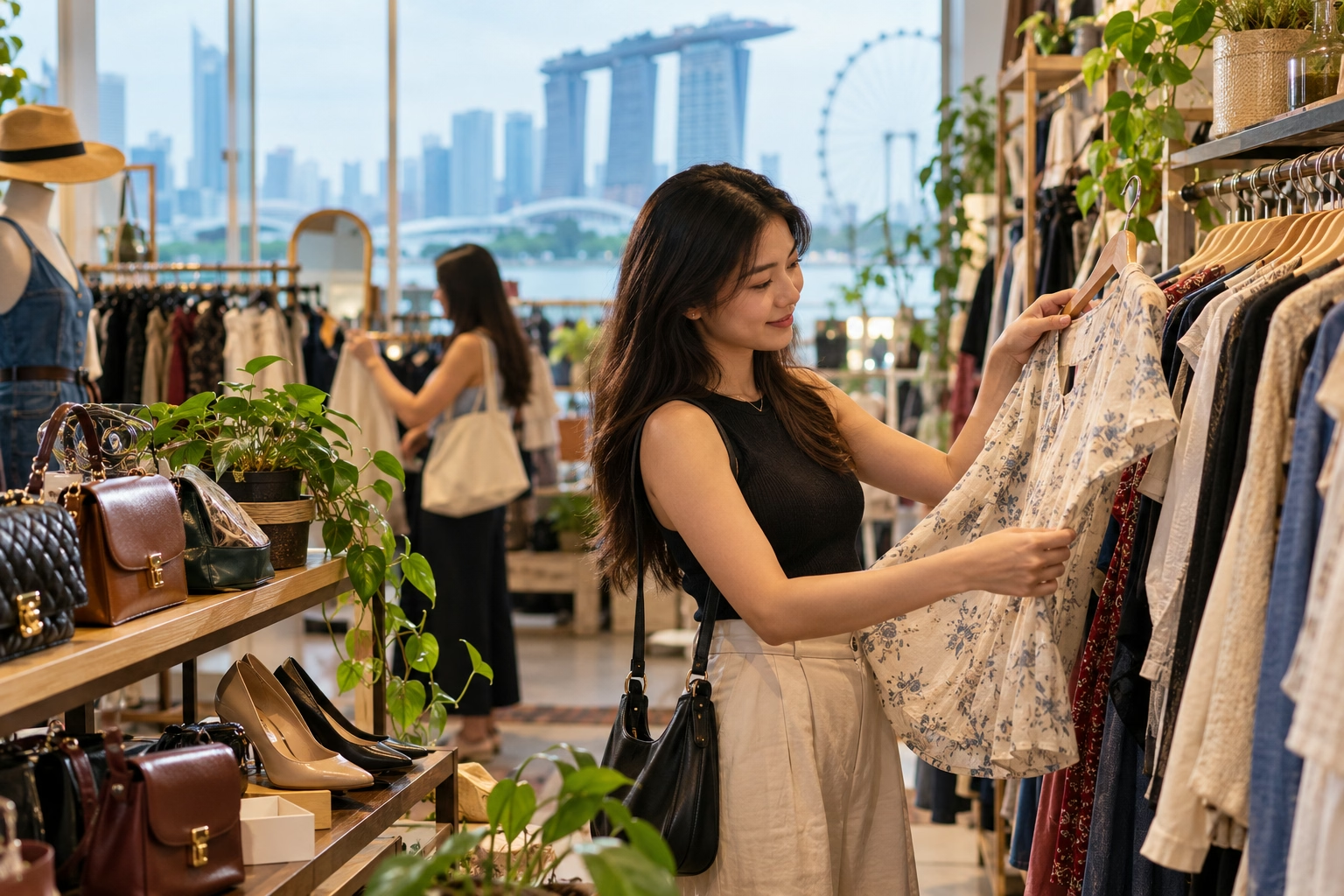
Singapore’s preloved fashion boom is often described as a sustainability story, but the reality is more practical. Shoppers are turning to second-hand clothing because it saves money, offers style discovery and increasingly feels normal. In 2026, resale is being woven into everyday wardrobes rather than reserved for vintage enthusiasts or bargain hunters.
The price-per-wear calculation
In a high-cost city, the mathematics of fashion matters. A preloved jacket from a quality label can cost less than a new fast-fashion equivalent and last longer. Parents buy school-event outfits for one-off occasions; office workers refresh blazers and dresses without paying full retail; collectors hunt discontinued pieces. Resale also supports a “try before committing” mentality for shoppers unsure about a trend. These motivations are not purely environmental, but they produce circular outcomes.
Provenance and storytelling
Preloved fashion carries a story. A designer bag may come with receipts and authentication cards; a local seller may explain alterations and fabric feel. This provenance can create trust and emotional attachment. It also explains why curated consignment stores and specialist platforms continue to grow alongside open marketplaces. Shoppers are not only buying a garment; they are buying evidence that it is genuine, well cared for and fairly described.
The green argument matures
Environmental awareness remains part of the picture. Singapore’s national sustainability direction, including the Singapore Green Plan 2030, encourages circular consumption and resource efficiency: https://www.greenplan.gov.sg/. Resale extends garment life and reduces the need for new production, though consumers are increasingly alert to greenwashing. They want specific claims: where was the item made, how was it cared for, and what happens if it does not fit? Brands and platforms that answer these questions clearly are more likely to retain trust.
Barriers to wider adoption
Size availability, hygiene concerns and return friction still slow some shoppers. Mobile listings can be inconsistent, and luxury authentication requires expertise. In 2026, the market is responding with better photography standards, measurement templates, cleaning certifications and physical drop-off points. Social media continues to drive discovery, but reputation systems and customer service determine repeat purchases.
A new normal for wardrobes
The deeper change is cultural. Owning preloved items no longer carries the stigma it once did. Among younger Singaporeans, resale is part of a wider shift toward selective consumption: buying less, choosing better and reselling what no longer fits. That does not mean the end of new fashion, but it does mean resale is becoming a standard option in the wardrobe decision.
Author

Clara@gmail.com
Related Posts
Why Sari Upcycling Is Becoming Singapore’s Most Culturally Specific Circular Fashion Story
- 0
- 464 words
The Cultural Logic of Reuse Upcycled fashion in Singapore is often framed through the language of waste reduction: diverting textiles from incineration,...
Read out all
How Singapore’s Homegrown Fashion Labels Rebuilt Their Business Around Livestreaming
- 0
- 514 words
From Side Channel to Core Business Model For a growing cohort of Singaporean fashion brands, livestreaming is no longer a supplementary marketing...
Read out all
Localization as Strategy: How Singapore Fashion Brands Speak Asia’s Many Languages
- 0
- 604 words
The End of One-Size-Fits-All Expansion Singapore fashion brands expanding across Asia are discovering that regional success requires more than translated marketing. Love,...
Read out all
The Comfort Revolution: How Singaporean Footwear Brands Are Redefining Support, Health, and Everyday Wear
- 0
- 658 words
From Pain Point to Product Innovation: The Sunnystep Story Sometimes the most disruptive innovations emerge from the most personal struggles. Mao Ting,...
Read out all
Gen Z vs. Gen X—The Generational Battle Over Singapore’s Office Dress Code
- 0
- 576 words
Two Generations, Two Definitions of Professionalism Walk into any Singapore office in 2026, and you may witness a quiet cultural collision. A...
Read out all
Korean Fashion Brands Are Betting Big on Singapore—and Winning
- 3
- 572 words
The Orchard Road Invasion Nobody Saw Coming When Shinsegae Tomboy opened standalone stores for Studio Tomboy and VOV at the METRO department...
Read out all