- 0
- 359 words
The New Face of Luxury Dining
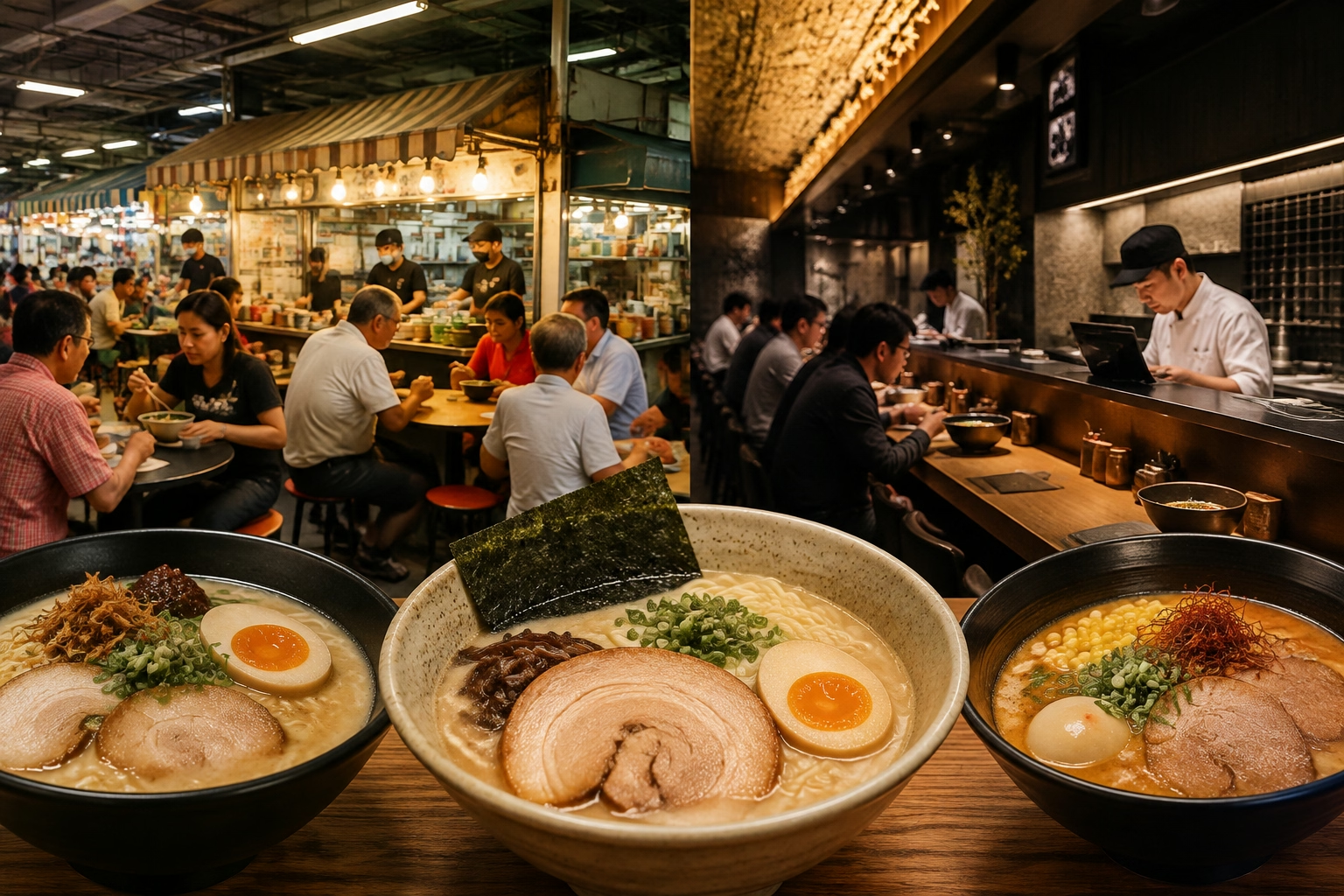
Singapore’s luxury dining scene has long been dominated by European fine dining and modern Asian fusion. But since 2023, the most sought-after tables are increasingly Japanese omakase counters, where diners surrender menu choices to the chef. In 2026, a 12-seat omakase restaurant in Dempsey Hill can command $450 per person before drinks, with waiting lists stretching for months. This shift has profound implications for seafood sourcing, chef training, and the broader local F&B ecosystem.
A 2026 report by the Singapore Tourism Board (STB Food & Beverage Trends) notes that Japanese fine dining now accounts for 23 percent of all high-end restaurant bookings in Singapore, up from 14 percent in 2022. The report highlights omakase as the fastest-growing subcategory, with more than 40 dedicated omakase venues operating in the city-state.
Seafood Sourcing and Supply Chain Pressure
Edomae-style sushi relies on specific fish species—bluefin tuna, kinmedai, shirako, and seasonal shellfish—most of which are not caught locally. Singapore’s omakase boom has therefore increased demand for air-flown Japanese seafood. Importers now work directly with auction houses at Toyosu Market in Tokyo, bidding for premium lots several times a week. This has raised prices for high-grade tuna and uni, with some Singapore restaurants paying up to $200 per kilogram for wild-caught otoro.
The pressure on supply has also encouraged local innovation. A few Singapore-based aquaculture firms now farm Japanese varieties of hirame (flounder) and madai (sea bream) in recirculating systems. While not yet comparable to wild Japanese fish, these locally farmed options are appearing in mid-tier omakase menus as a sustainable alternative. This adaptation shows how Japanese culinary standards can stimulate local food production capabilities.
Training and the Rise of Local Itamae
Traditionally, omakase counters in Singapore were staffed by Japanese chefs with decades of training. By 2026, a new generation of Singaporean itamae (sushi chefs) has emerged. Culinary schools now offer specialised sushi apprenticeships, and several local chefs have trained in Tokyo for three to five years before returning to open their own counters. This localisation reduces labour costs and creates a distinctive Singaporean omakase style—one that may incorporate local ingredients like laksa leaf or calamansi zest into traditional shari (sushi rice).
Author

Clara@gmail.com
Related Posts
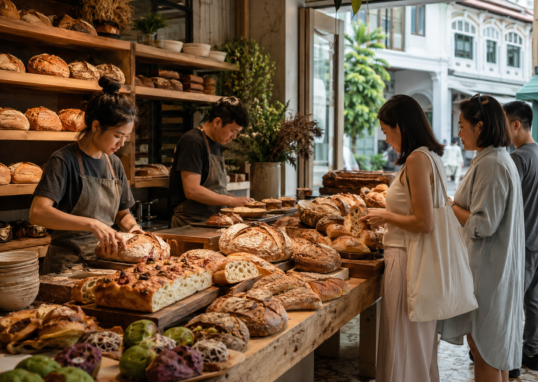
Orh Nee Croissants to Gula Melaka Danishes: How Singapore’s Creative Pastry Chefs Are Redefining Premium Viennoiserie in 2026
- 0
- 474 words
Singapore’s premium pastry sector in 2026 is not simply copying Paris. Local chefs are injecting heritage flavours into classic French techniques, producing...
Read out all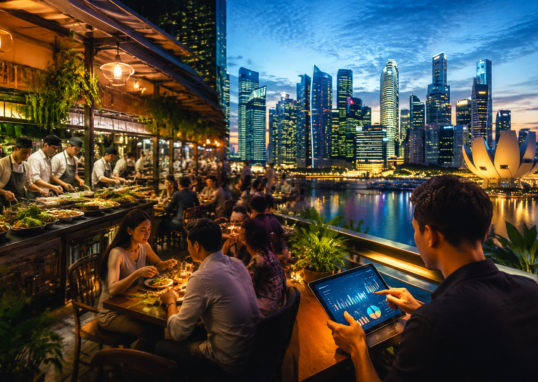
Singapore Culinary Competition 2026: How Restaurant Brands Build Stronger Market Positions Through Innovation and Customer Experience
- 0
- 430 words
Singapore’s Food Scene Evolves Beyond Traditional Dining Singapore has long been recognized as a global food destination where hawker culture, fine dining...
Read out all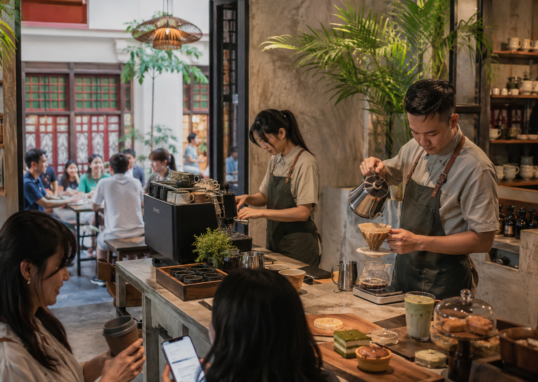
How Singapore’s Café Businesses Are Redefining Urban Lifestyle Through Specialty Coffee, Innovation, and Local Entrepreneurship
- 0
- 632 words
Singapore’s café industry has developed into a major lifestyle sector, where coffee shops have evolved from simple beverage providers into destinations for...
Read out all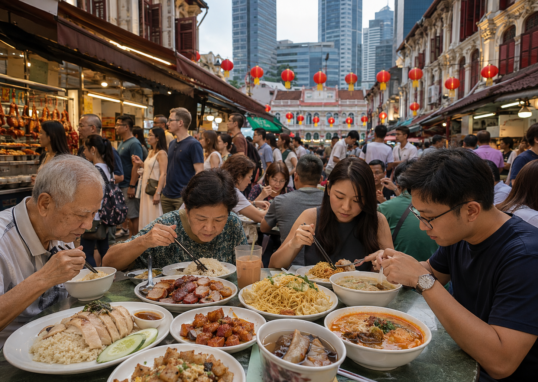
Inside Singapore Chinatown’s 2026 Dining Culture: Iconic Hawker Dishes, Old Recipes, and New Food Trends
- 0
- 645 words
Why Chinatown Remains a Food Landmark In 2026, Chinatown Singapore continues to be one of the clearest places to understand the country...
Read out all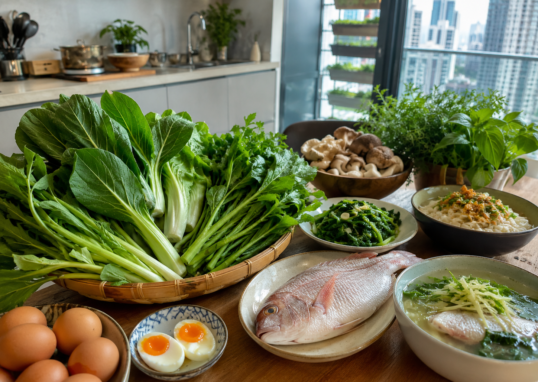
Local Ingredients in Singaporean Cuisine Matter
- 0
- 2,257 words
Singaporean food is famous for its rich mix of Malay, Chinese, Indian, Peranakan, and global influences. From laksa and nasi lemak to...
Read out all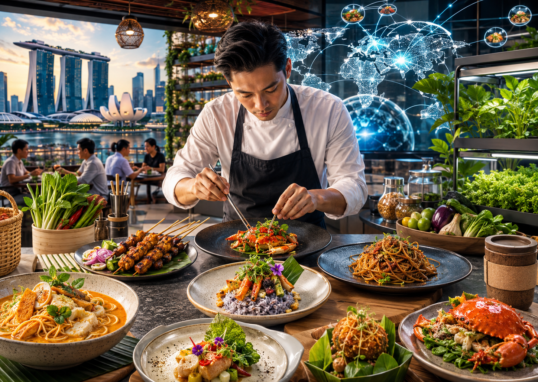
Singapore Cuisine as a Tool of Global Cultural Influence
- 0
- 305 words
Food is one of the most powerful forms of cultural diplomacy, and Singapore has effectively used its cuisine to strengthen its global...
Read out all