- 0
- 464 words
The Cultural Logic of Reuse
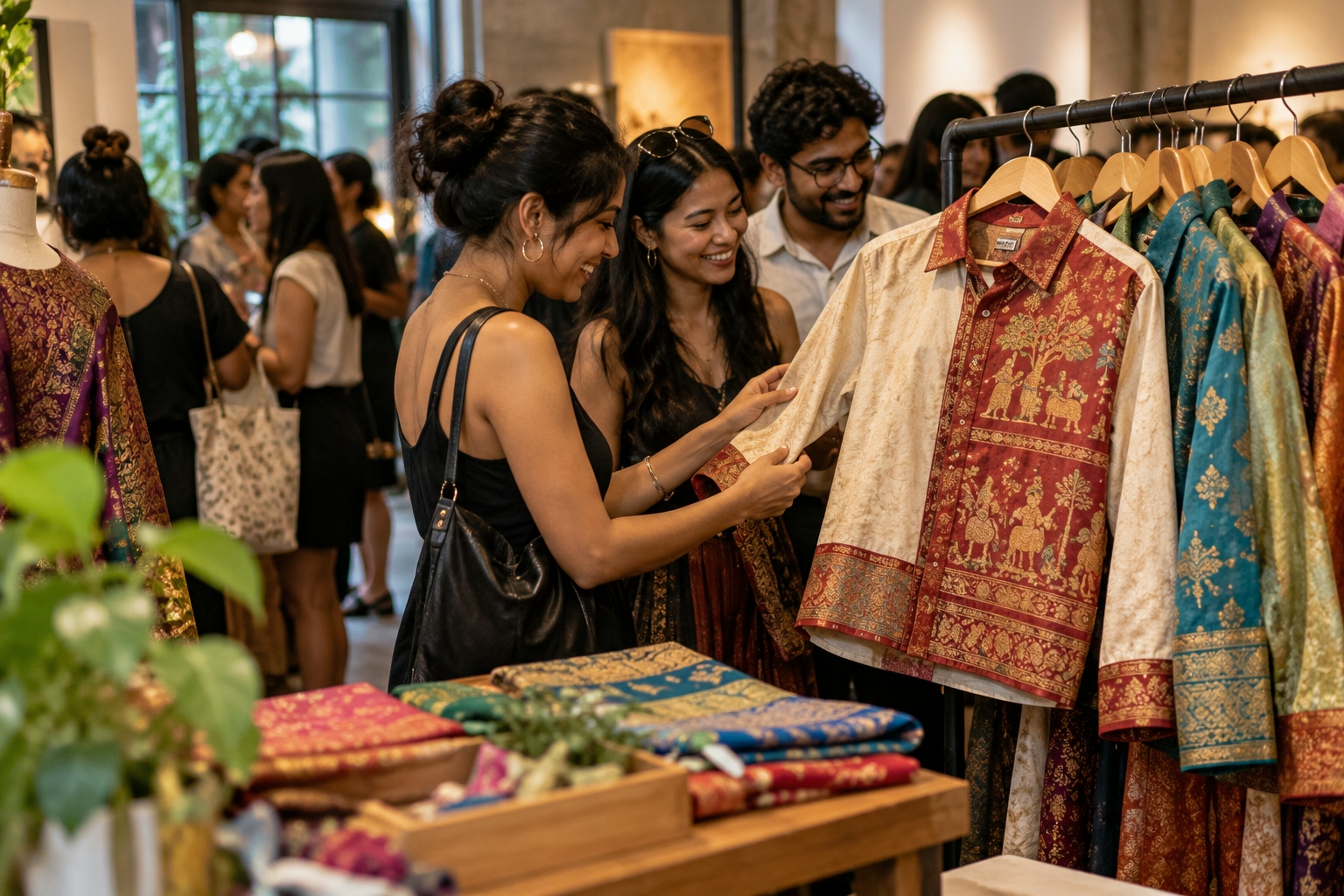
Upcycled fashion in Singapore is often framed through the language of waste reduction: diverting textiles from incineration, extending product lifespans, closing material loops. All of that is accurate, but the sari upcycling movement adds a dimension that generic circular fashion often lacks—cultural continuity. Saris are not disposable fast-fashion items that have lost value; they are garments invested with memory, craftsmanship, and familial meaning. When a sari is cut and reconstructed into a shirt, the act is not merely recycling. It is translation: carrying a specific textile vocabulary—pallu motifs, border weaves, embroidery traditions—into a new garment format that younger wearers can integrate into daily life.
The Design Constraint as a Creative Asset
Designers in this space describe the sari as a material with built-in rules. The pallu dictates where the most detailed work will appear. The border limits how cuffs and plackets can be cut. The body fabric’s drape and weight determine what silhouettes are feasible. Rather than fighting these constraints, the most successful brands treat them as a creative brief. The Dori’s shirts are designed around the pallu, ensuring that the sari’s most labour-intensive section remains visible and central. The Niram Collective has built its identity around similar principles, and its sales of more than 150 pieces since October 2025 suggest that consumers recognise and value this design integrity.
The Waste Arithmetic Behind the Aesthetics
The urgency of this movement is grounded in hard numbers. Singapore’s 231,000 tonnes of textile and leather waste in 2025 produced a recycling rate of just 3 per cent, with 225,000 tonnes disposed of—largely through incineration. Sari upcycling operates at a tiny fraction of that volume, but its significance lies in its示范 effect. It shows that textiles with complex construction and cultural value can be redirected into higher-value products rather than downcycled into wiping cloths or exported as low-grade salvage. The model also aligns with the Singapore Green Plan’s emphasis on circular economy and waste reduction, though policy support for textile-to-textile upcycling remains nascent.
The Next Question: Scale Without Dilution
The central tension in sari upcycling is scalability. Each garment requires a donated sari, a design decision shaped by that specific textile, and skilled labour to execute the reconstruction. The Dori’s debut collection took nine months to complete, and the brand sources saris from Singapore’s Indian diaspora. Expanding supply without compromising the one-of-a-kind proposition will require new sourcing partnerships, possibly with temples, community organisations, or diaspora networks. It will also require a pricing conversation: upcycled saris are not cheap, and positioning them as premium products is essential to sustaining the labour and craftsmanship involved. The brands that navigate this tension will define whether sari upcycling remains a boutique phenomenon or becomes a durable segment of Singapore’s fashion identity.
Author

Clara@gmail.com
Related Posts

How Singapore’s Homegrown Fashion Labels Rebuilt Their Business Around Livestreaming
- 0
- 514 words
From Side Channel to Core Business Model For a growing cohort of Singaporean fashion brands, livestreaming is no longer a supplementary marketing...
Read out all
Localization as Strategy: How Singapore Fashion Brands Speak Asia’s Many Languages
- 0
- 604 words
The End of One-Size-Fits-All Expansion Singapore fashion brands expanding across Asia are discovering that regional success requires more than translated marketing. Love,...
Read out all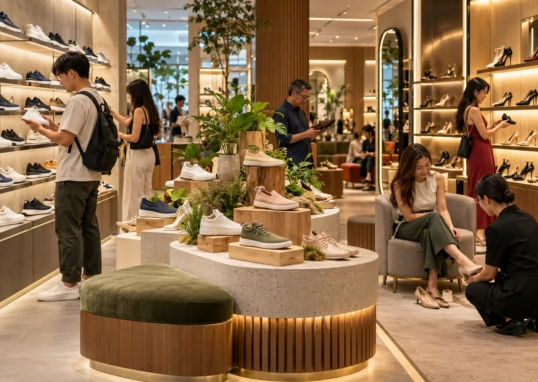
The Comfort Revolution: How Singaporean Footwear Brands Are Redefining Support, Health, and Everyday Wear
- 0
- 658 words
From Pain Point to Product Innovation: The Sunnystep Story Sometimes the most disruptive innovations emerge from the most personal struggles. Mao Ting,...
Read out all
Gen Z vs. Gen X—The Generational Battle Over Singapore’s Office Dress Code
- 0
- 576 words
Two Generations, Two Definitions of Professionalism Walk into any Singapore office in 2026, and you may witness a quiet cultural collision. A...
Read out all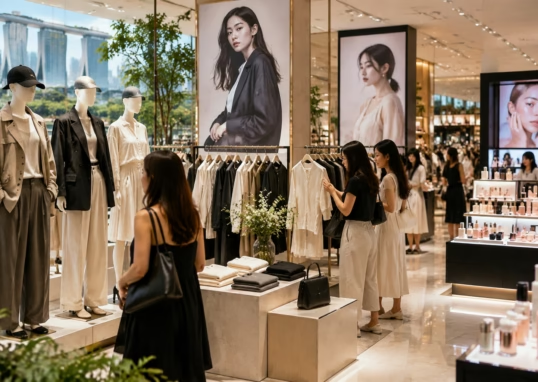
Korean Fashion Brands Are Betting Big on Singapore—and Winning
- 0
- 572 words
The Orchard Road Invasion Nobody Saw Coming When Shinsegae Tomboy opened standalone stores for Studio Tomboy and VOV at the METRO department...
Read out all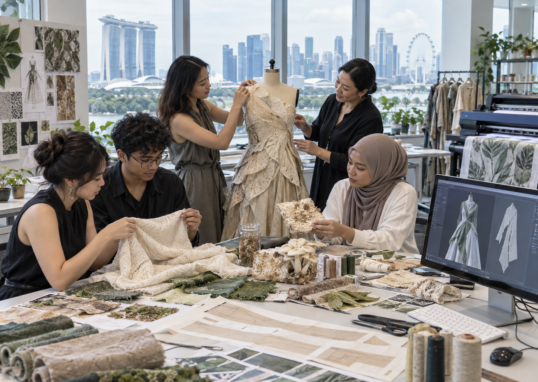
Blending Tradition with Tech: How Singaporean Fashion Schools Are Forging the Ultimate Hybrid Designers in 2026
- 0
- 465 words
The modern fashion designer is expected to be a polymath. They must be an artist, an engineer, a marketer, and increasingly, a...
Read out all