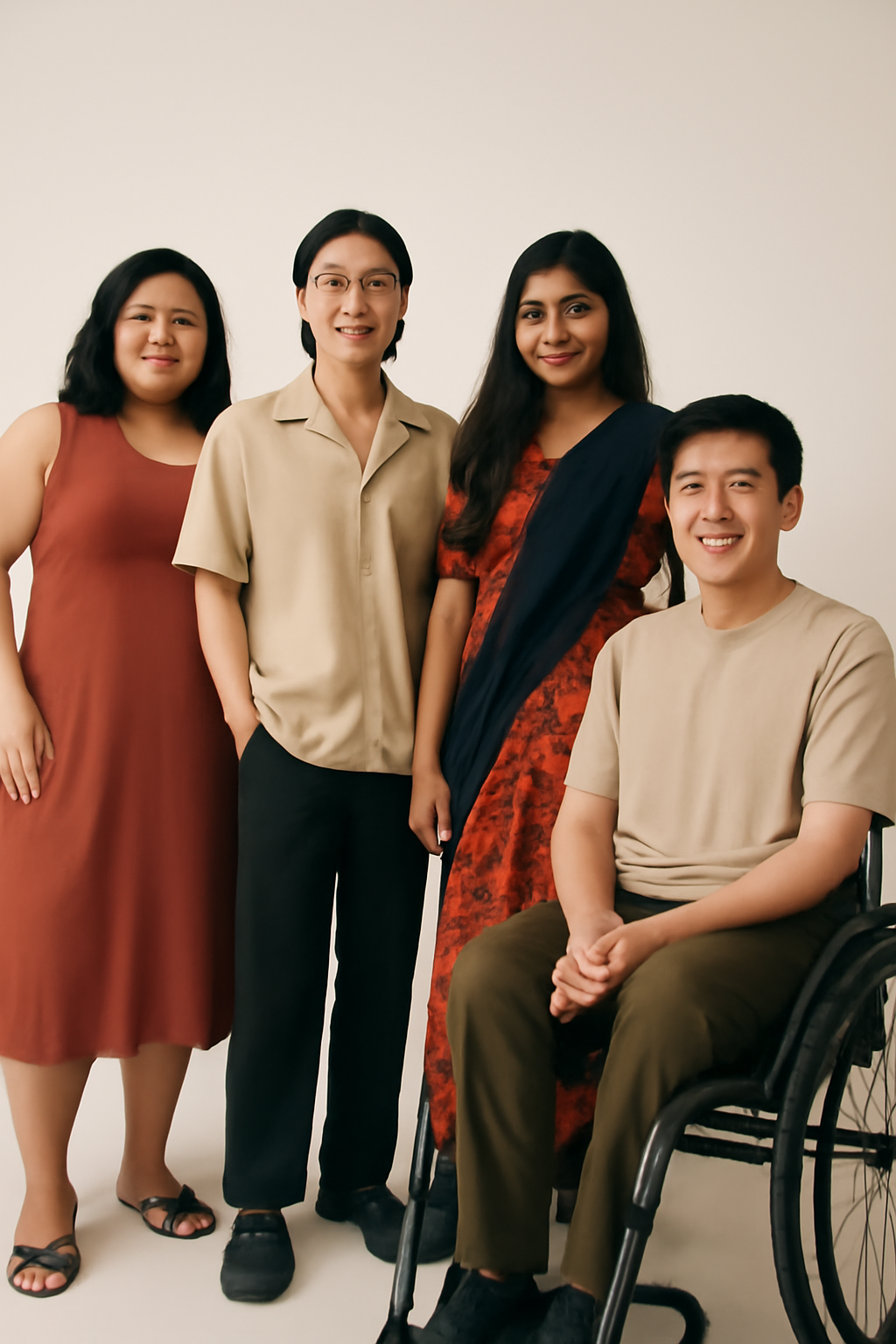
Singapore’s fashion industry is undergoing a significant transformation, as the concept of inclusivity continues to gain momentum across the city-state. For decades, the global fashion world was dominated by a narrow standard of beauty, often excluding individuals who didn’t fit into conventional molds. However, in recent years, fashion in Singapore has begun to embrace the idea that beauty comes in all shapes, sizes, colors, and identities.
Inclusivity in fashion in Singapore reflects the country’s commitment to diversity, and this trend is particularly relevant in a multicultural society like Singapore’s. The country’s unique blend of ethnicities has encouraged designers to rethink the traditional models of beauty and fashion. This shift is seen in everything from runway shows to the clothing available in local stores.
One prominent example of inclusivity in Singapore’s fashion industry is the rise of local brands that cater to a wider range of body types. Brands such as Zalora and Uniqlo have been instrumental in offering extended sizes and promoting more inclusive fashion lines. These brands understand that fashion should not be limited to a specific demographic but should instead serve a broad spectrum of people. This includes offering clothing that ranges from petite sizes to plus-size options, allowing more people to enjoy fashion that makes them feel confident and stylish.
In addition to size inclusivity, the Singapore fashion industry is becoming more aware of the need for cultural diversity. More fashion shows and campaigns now feature models from various ethnic backgrounds, from Chinese to Indian, Malay, and beyond. The presence of these models not only adds vibrancy to fashion but also helps challenge traditional standards that have long dominated the industry.
The growth of gender-neutral and unisex fashion is another area where Singapore’s fashion industry is leading the charge. As societal attitudes toward gender continue to evolve, so too does the fashion industry’s response. Fashion brands in Singapore are increasingly offering clothing that transcends traditional gender lines, providing consumers with more options to express their personal style without the limitations of gendered clothing. Labels like ThePaperStone have been recognized for their unisex clothing, offering minimalist yet chic designs that cater to individuals seeking both comfort and style.
Moreover, brands are not only embracing size and gender diversity but are also considering the needs of individuals with disabilities. Adaptive fashion is a growing trend, with local designers now exploring ways to create clothing that is functional for people with mobility challenges. These adaptations, such as easy-to-wear garments with magnetic closures or clothing made from stretchy, comfortable materials, are making it easier for individuals with disabilities to engage with fashion in a way that suits their needs.
Inclusivity in fashion also extends to the digital realm. Online fashion platforms such as Lazada and Shopee offer a variety of inclusive brands that cater to different demographics, making fashion accessible to a larger audience. The internet has also given consumers the opportunity to find clothing that fits their needs, no matter where they are located, further democratizing fashion.
Singapore’s inclusivity-driven approach to fashion is not only empowering individuals to express themselves through their clothing but is also driving societal change. Fashion is increasingly becoming a medium for self-expression, one that celebrates diversity rather than trying to fit everyone into a singular mold. The shift towards inclusivity in fashion is helping to create a society where everyone feels represented, regardless of their appearance, abilities, or identity.
Author

Clara@gmail.com
Related Posts
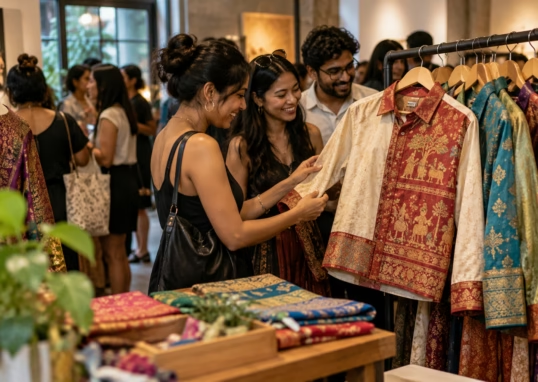
Why Sari Upcycling Is Becoming Singapore’s Most Culturally Specific Circular Fashion Story
- 0
- 464 words
The Cultural Logic of Reuse Upcycled fashion in Singapore is often framed through the language of waste reduction: diverting textiles from incineration,...
Read out all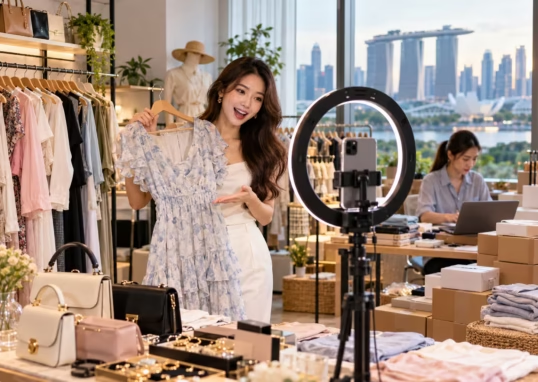
How Singapore’s Homegrown Fashion Labels Rebuilt Their Business Around Livestreaming
- 0
- 514 words
From Side Channel to Core Business Model For a growing cohort of Singaporean fashion brands, livestreaming is no longer a supplementary marketing...
Read out all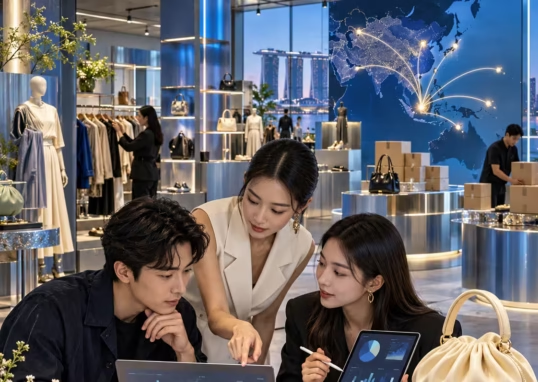
Localization as Strategy: How Singapore Fashion Brands Speak Asia’s Many Languages
- 0
- 604 words
The End of One-Size-Fits-All Expansion Singapore fashion brands expanding across Asia are discovering that regional success requires more than translated marketing. Love,...
Read out all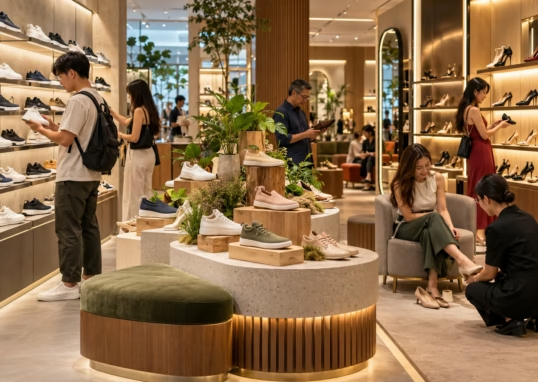
The Comfort Revolution: How Singaporean Footwear Brands Are Redefining Support, Health, and Everyday Wear
- 0
- 658 words
From Pain Point to Product Innovation: The Sunnystep Story Sometimes the most disruptive innovations emerge from the most personal struggles. Mao Ting,...
Read out all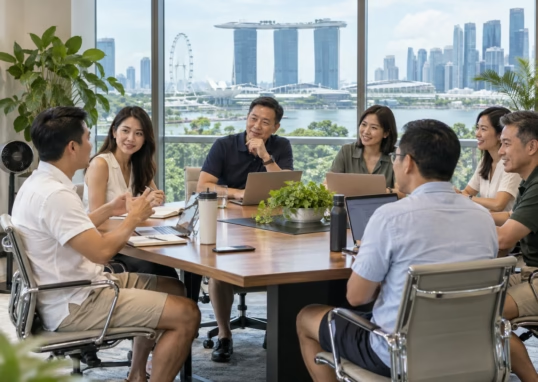
Gen Z vs. Gen X—The Generational Battle Over Singapore’s Office Dress Code
- 0
- 576 words
Two Generations, Two Definitions of Professionalism Walk into any Singapore office in 2026, and you may witness a quiet cultural collision. A...
Read out all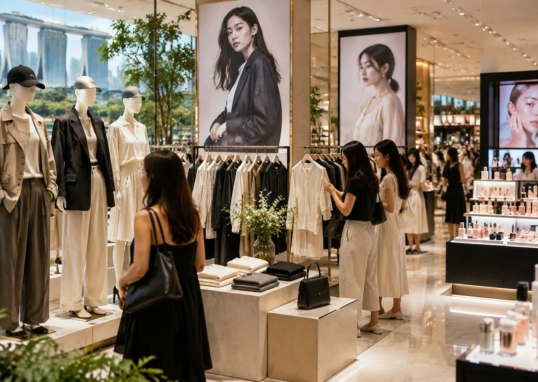
Korean Fashion Brands Are Betting Big on Singapore—and Winning
- 2
- 572 words
The Orchard Road Invasion Nobody Saw Coming When Shinsegae Tomboy opened standalone stores for Studio Tomboy and VOV at the METRO department...
Read out all