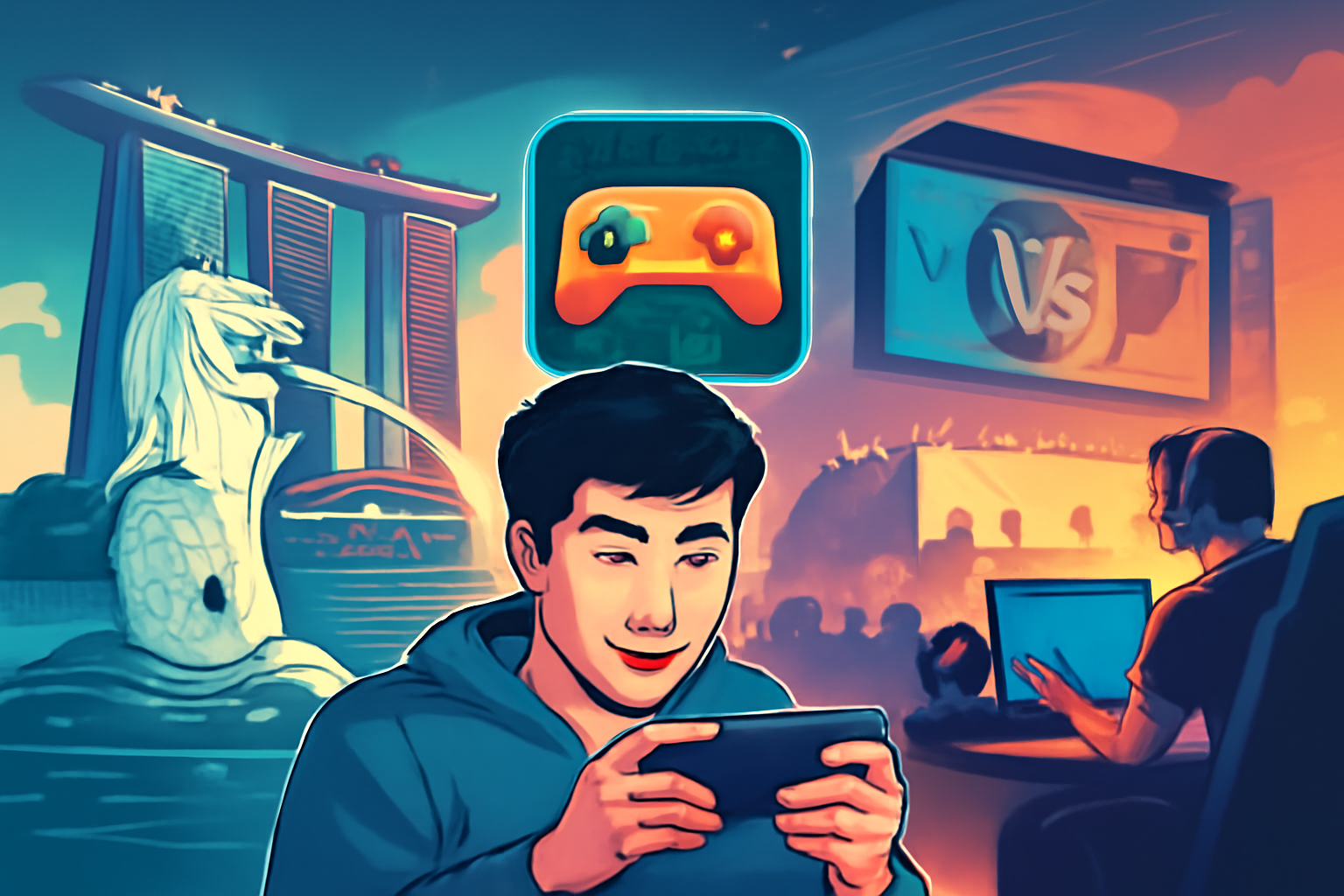
Over the past decade, Singapore has undergone a transformation in its role within the global video game industry. Once a peripheral player in the world of gaming, Singapore has become an influential force in game development, esports, and the broader entertainment sector. This shift can be attributed to a confluence of factors, including technological advances, a burgeoning talent pool, and substantial government investment.
At the heart of Singapore’s rise in the gaming industry is its rapidly growing gaming development sector. Historically, the country’s gaming scene was focused on console gaming and arcade entertainment, but with the increasing prevalence of smartphones, mobile gaming has flourished. Singapore’s high-tech infrastructure, coupled with the widespread use of smartphones, has made it a fertile ground for mobile game development. Local developers are capitalizing on this, creating both indie and larger-scale games that are garnering attention from gamers and investors around the world.
The government of Singapore has actively supported the video game industry through initiatives such as the Singapore Economic Development Board (EDB) and the Infocomm Media Development Authority (IMDA). These agencies offer funding, mentorship programs, and grants to local game studios, helping them scale their operations and achieve global success. Additionally, the government has invested in creating spaces for collaboration and networking, such as the Singapore Game Developers Association (SGDA), which fosters a thriving local developer community.
Esports has also played a significant role in shaping Singapore’s entertainment landscape. The rise of competitive gaming has led to the creation of professional leagues and tournaments, with Singapore becoming a prime location for international esports events. Major tournaments such as the ESL One and the League of Legends World Championship have drawn large crowds, bringing attention to the country’s competitive gaming scene. This trend has contributed to the mainstream acceptance of esports, and Singapore is positioning itself as a leader in this burgeoning industry.
Furthermore, the global impact of Singapore’s gaming industry is evident through the growing popularity of its homegrown games. Titles developed in Singapore have earned recognition for their unique blend of cultural influences and innovative gameplay. Games like “Sea of Thieves” and “PUBG Mobile” (which have local Singaporean developers contributing to their creation) reflect the country’s expanding influence on global gaming trends. These games are not only entertaining millions of players worldwide but also serve as a testament to Singapore’s creative capacity and potential in game development.
The influence of the video game industry on the entertainment sector is not limited to gaming itself but extends to other forms of media, such as film, television, and streaming platforms. Singapore’s video game scene has inspired collaborations between gaming companies and filmmakers, creating opportunities for cross-platform experiences. This convergence of gaming and other entertainment forms has created new avenues for storytelling, enhancing the immersive experience for consumers.
The rise of the gaming industry in Singapore has also had a profound effect on the local economy. With an increasing demand for skilled workers in game development, design, and programming, local universities and technical institutes have stepped up to provide specialized education. These institutions offer courses in game design, animation, and virtual reality development, producing a highly skilled workforce that is ready to meet the growing needs of the industry.
As the video game industry in Singapore continues to mature, the country’s influence on the global entertainment landscape is set to expand. With its innovative game development, esports growth, and government support, Singapore is well-positioned to continue its rise as a global leader in the gaming sector.
Author

Clara@gmail.com
Related Posts
Why Singaporean Animation Is Using Southeast Asian Stories to Win International Audiences
- 0
- 628 words
Cultural Identity Is Becoming a Commercial Advantage Global animation audiences are increasingly exposed to stories originating outside the traditional production centers of...
Read out all
How OTT Platforms Are Redefining Entertainment Consumption Patterns Across Singapore’s Digital Society
- 0
- 439 words
The entertainment industry in Singapore is undergoing a major transformation as over-the-top (OTT) streaming platforms become increasingly integrated into daily life. Unlike...
Read out all
Inside Singapore’s 2026 Theatre Scene: Where Global Productions, Asian Stories and New Audiences Meet
- 0
- 579 words
Singapore as a Crossroads for Live Performance Theatre in Singapore in 2026 reflects the city itself: compact in geography, international in outlook...
Read out all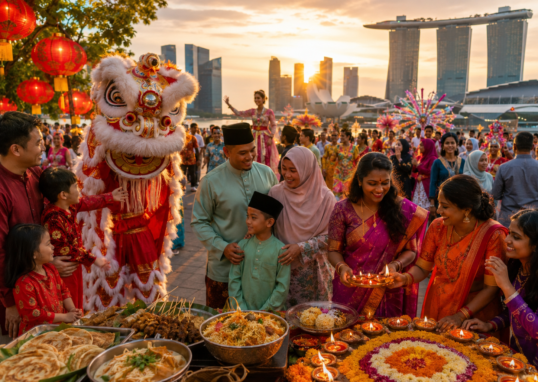
Singapore Cultural Events: A Practical Guide to Traditions and Diversity
- 0
- 1,150 word
Singapore is one of the most accessible places in Asia to experience cultural events in a meaningful way. Within a single city,...
Read out all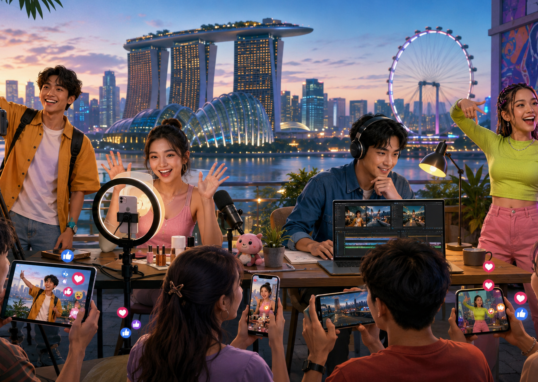
Influencers and YouTubers as New Entertainment Leaders in Singapore
- 0
- 522 words
The entertainment landscape in Singapore is no longer controlled only by television channels, film studios, radio stations, and celebrity agencies. Digital platforms...
Read out all
Social Media as a Catalyst for Entertainment Popularity in Singapore
Social media has revolutionized how entertainment is consumed and promoted in Singapore, creating an ecosystem where content can achieve instant popularity. Platforms...
Read out all