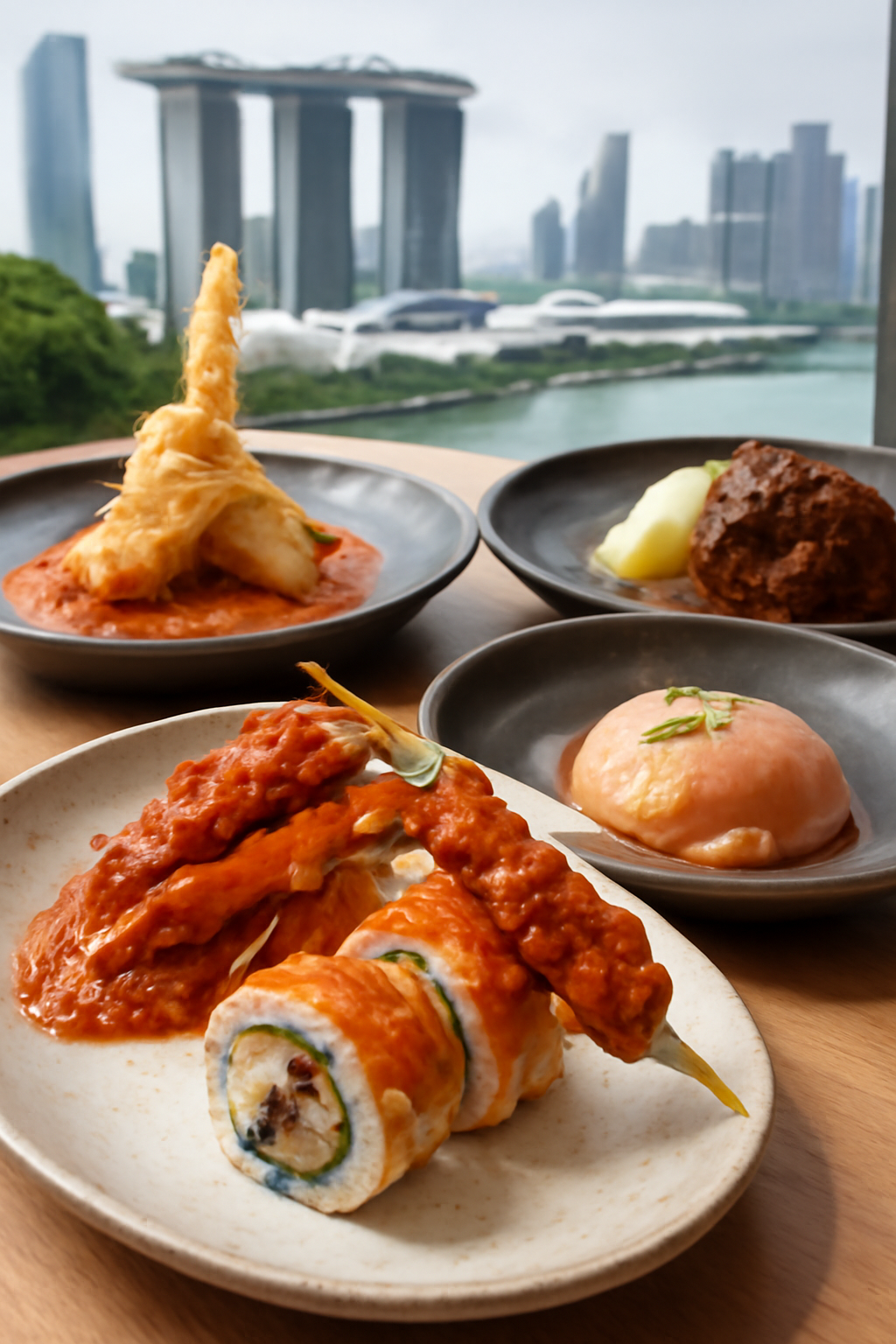
Singapore has long been known for its rich culinary heritage, where various cultural influences have melded into an intricate food landscape. However, in recent years, the city-state has witnessed a new wave of culinary innovation. Modern trends, particularly in fusion cuisine and innovative flavor combinations, are transforming the local dining experience, making it one of the most exciting places to explore food.
Fusion cuisine is the primary trend driving this culinary evolution. The concept involves blending elements from diverse culinary traditions to create novel, dynamic dishes that defy traditional boundaries. In Singapore, this has resulted in some truly creative combinations that take local favorites and turn them on their head. For instance, chefs have started incorporating Japanese ingredients like miso and yuzu into local dishes like satay, creating a marriage of flavors that feels both fresh and familiar at the same time.
Perhaps the most significant influence on modern Singaporean cuisine is the integration of global flavors and cooking techniques. Contemporary chefs are not only looking at local and regional influences but also drawing inspiration from global culinary powerhouses. French techniques, Italian influences, and even South American flavors have found their way into Singapore’s kitchens. A classic example is the use of French sous-vide techniques applied to dishes like braised pork belly, a traditional favorite in Singaporean homes. The long, slow cooking process enhances the flavor and tenderness of the meat, elevating the experience.
Another notable trend in Singapore’s culinary scene is the push towards sustainability. Modern fusion restaurants are increasingly emphasizing the use of locally sourced, seasonal ingredients. This not only supports local farmers but also allows chefs to experiment with fresh, unique products that are often overlooked in traditional cooking. Ingredients like the fragrant torch ginger or the earthy sweet potato leaves are finding their way into innovative dishes, offering diners a fresh take on classic flavors.
Innovation also extends to cooking techniques, where Singapore’s chefs are using advanced technology to reimagine how food is prepared and presented. Techniques like molecular gastronomy, where chefs manipulate the chemical properties of ingredients, have been incorporated into traditional dishes like chili crab and laksa, resulting in surprising new textures and flavor profiles. Some chefs even use liquid nitrogen to create visually spectacular dishes, adding an element of theater to dining.
The rise of fusion food has also sparked a boom in food pop-ups and experimental eateries, where chefs are given the freedom to experiment without the constraints of traditional menus. These venues serve as incubators for bold new ideas, allowing chefs to experiment with new ingredients, techniques, and combinations. Social media has played a massive role in this trend, with food bloggers and influencers sharing their experiences of these groundbreaking culinary adventures with a global audience.
Ultimately, the fusion food movement is about pushing the boundaries of what food can be. It is about blending the old with the new, the familiar with the unfamiliar, and challenging diners to rethink what is possible. In Singapore, this movement is not just a trend but a sign of the city’s growing culinary confidence and its ability to innovate while staying deeply connected to its heritage.
Author

Clara@gmail.com
Related Posts
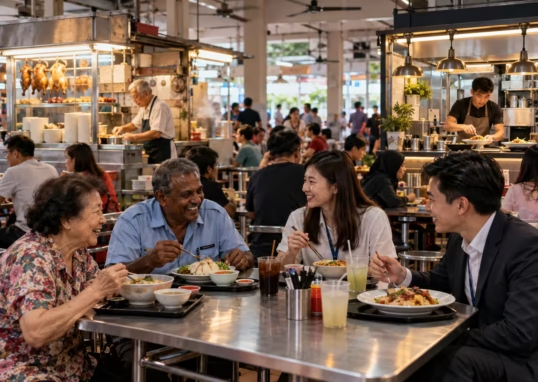
Heritage Under Pressure: Can Neo-Hawker Cuisine Save Singapore’s UNESCO Food Culture?
- 0
- 407 words
The Succession Crisis Nobody Talks About Singapore’s hawker culture is a UNESCO-listed intangible cultural heritage, but its future is far from secure....
Read out all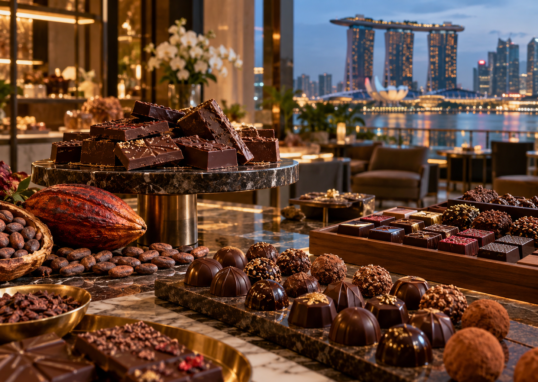
Inside Singapore’s Bean-to-Bar Revolution: The Artisans Redefining Chocolate Craft
- 0
- 535 words
From Supermarket Shelves to Craft Workshops Singapore’s artisanal chocolate movement has evolved from a niche curiosity into a formidable force within the...
Read out all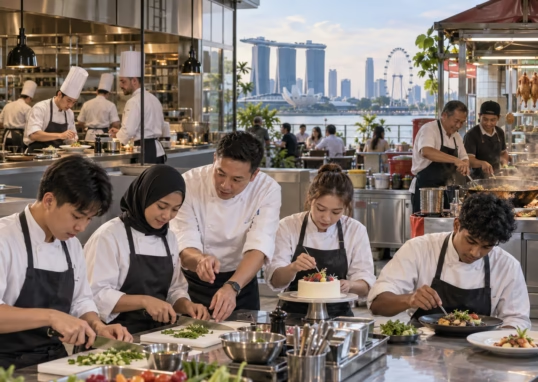
At-Sunrice GlobalChef Academy and the “East-Meets-West” Chef Training Model
- 0
- 437 words
At-Sunrice GlobalChef Academy occupies a distinct position in Singapore’s culinary education market: it is neither a government technical institute nor a traditional...
Read out all
Quick Commerce Revolution: How Singapore’s Grocery Delivery Market Is Reshaping Urban Convenience
- 0
- 431 words
The Speed Economy Comes to Singapore’s Groceries Singapore’s relationship with grocery shopping is undergoing a fundamental transformation. What was once a weekly...
Read out all
Cultivated Beef Meets Frozen Formats: Singapore’s Regulatory Breakthrough Opens New Product Frontiers
- 0
- 474 words
A Regulatory First That Ripples Through the Freezer Aisle In August 2026, the Singapore Food Agency approved Aleph Farms’ cultivated thin-cut steak...
Read out all
Why Korean Convenience Store Culture and Street Food are Taking Over Singapore’s Snack Scene
- 0
- 448 words
While high-end Korean restaurants capture the attention of critics, the true penetration of Korean culture in Singapore is happening on the streets...
Read out all