- 0
- 632 words
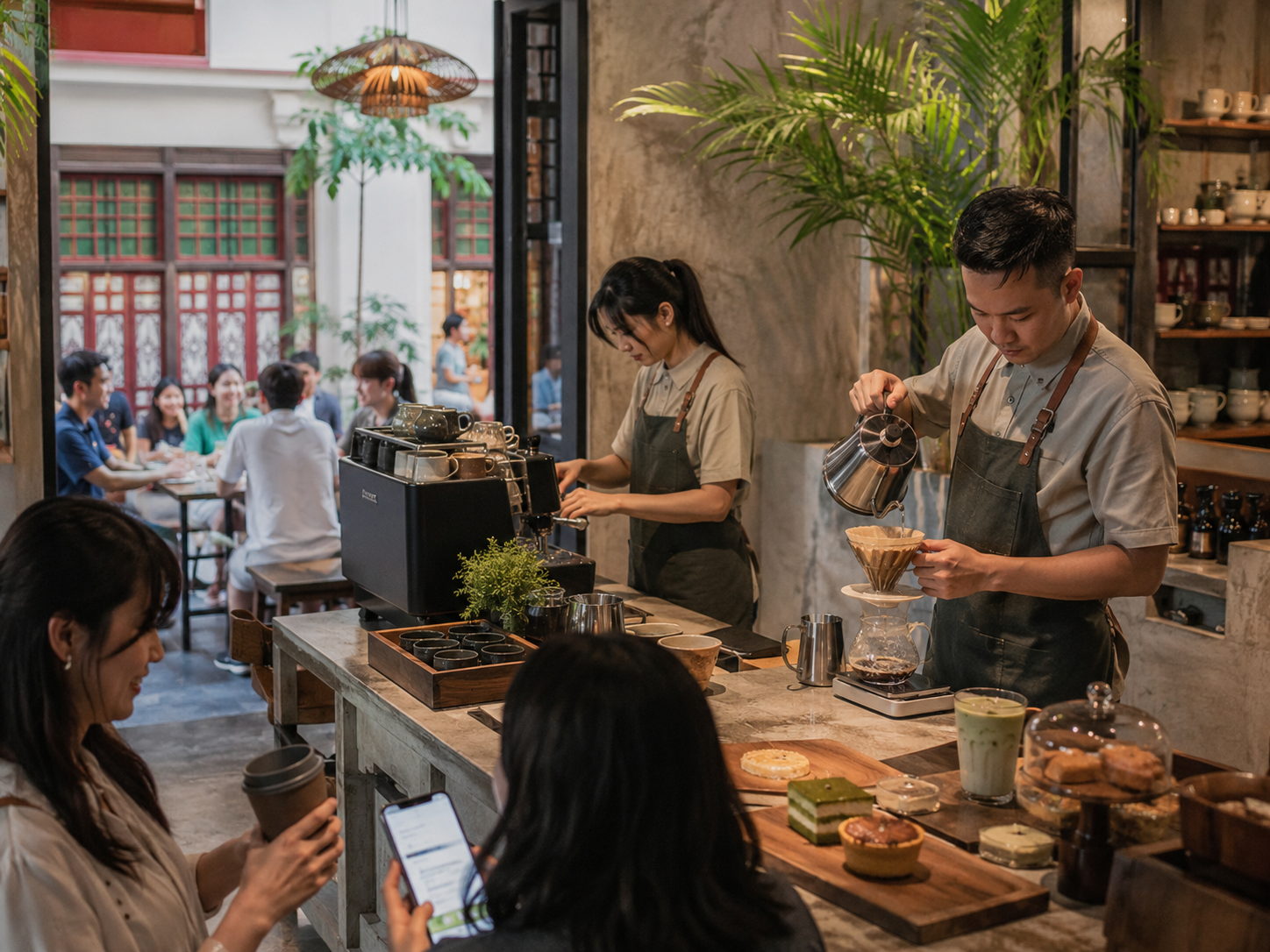
Singapore’s café industry has developed into a major lifestyle sector, where coffee shops have evolved from simple beverage providers into destinations for social interaction, creativity, and professional networking. The transformation reflects changing consumer preferences, particularly among urban residents seeking meaningful experiences beyond traditional dining.
Modern cafés in Singapore now serve multiple purposes. Customers visit cafés for business meetings, remote work sessions, casual gatherings, and cultural experiences. This shift has encouraged local café operators to develop unique concepts that combine coffee quality with atmosphere, design, and community engagement.
The growth of this industry demonstrates how coffee has become closely connected with Singapore’s urban identity. While traditional kopitiams continue to preserve the country’s heritage, modern cafés introduce new interpretations of coffee culture through global influences and local creativity.
Specialty Coffee Creates New Opportunities for Local Businesses
One of the most significant developments in Singapore’s café sector is the expansion of specialty coffee. Unlike conventional coffee businesses that focus primarily on volume and convenience, specialty cafés emphasize craftsmanship, traceability, and customer education.
Local coffee companies are increasingly working with international coffee producers to source high-quality beans from regions such as Ethiopia, Colombia, Brazil, and Southeast Asia. Professional roasting techniques and advanced brewing methods have allowed smaller cafés to compete by offering distinctive flavors and premium experiences.
Businesses such as Nylon Coffee Roasters and Chye Seng Huat Hardware have helped establish Singapore as a recognized specialty coffee destination in Asia. Their success shows that local brands can build strong identities by focusing on quality, storytelling, and customer loyalty.
Technology and Digital Strategies Transform Café Operations
Technology has become an important factor in improving efficiency and customer engagement within Singapore’s café industry. Many businesses now use digital payment systems, online ordering platforms, customer relationship management tools, and social media marketing to attract and retain customers.
The COVID-19 pandemic accelerated digital adoption among food and beverage businesses, pushing cafés to explore alternative revenue channels such as coffee subscriptions, online retail, and home brewing products.
According to Enterprise Singapore, digital transformation remains a key focus for small and medium-sized enterprises (SMEs), including businesses in the food services sector. Business support information can be found at:
https://www.enterprisesg.gov.sg/
For independent cafés, digital platforms provide opportunities to reach wider audiences without depending entirely on physical store traffic. Social media content featuring coffee preparation methods, café interiors, and customer experiences has become a powerful marketing tool.
Challenges Facing Singapore’s Competitive Café Market
Despite strong growth potential, operating a café in Singapore presents significant challenges. High rental costs, rising operational expenses, labor shortages, and intense competition create pressure for business owners to maintain profitability.
Many cafés are responding by developing stronger brand positioning instead of competing solely on price. Some focus on specialty beverages, while others create hybrid concepts combining coffee with bakeries, lifestyle retail, workshops, or cultural events.
The ability to adapt quickly has become essential. Café owners must understand evolving consumer expectations while maintaining consistent product quality and operational sustainability.
The Future Direction of Singapore’s Café Economy
Singapore’s café industry is expected to continue expanding through innovation, personalization, and premium experiences. Future growth will likely come from businesses that successfully combine traditional coffee heritage with modern consumer demands.
Sustainability will also play a larger role as customers become more conscious about ethical sourcing, environmental impact, and responsible consumption. Cafés that demonstrate transparency in their supply chains may gain stronger customer trust.
The development of Singapore’s café scene illustrates how a simple beverage industry has transformed into a complex ecosystem involving entrepreneurship, technology, culture, and lifestyle. Local café businesses are no longer competing only to sell coffee; they are creating experiences that reflect the changing identity of Singapore’s modern society.
Author

Clara@gmail.com
Related Posts
The Omakase Effect: High-End Sushi Dining Transforms Singapore’s Seafood Sourcing and Luxury F&B Scene
- 0
- 359 words
The New Face of Luxury Dining Singapore’s luxury dining scene has long been dominated by European fine dining and modern Asian fusion....
Read out all
Orh Nee Croissants to Gula Melaka Danishes: How Singapore’s Creative Pastry Chefs Are Redefining Premium Viennoiserie in 2026
- 0
- 474 words
Singapore’s premium pastry sector in 2026 is not simply copying Paris. Local chefs are injecting heritage flavours into classic French techniques, producing...
Read out all
Singapore Culinary Competition 2026: How Restaurant Brands Build Stronger Market Positions Through Innovation and Customer Experience
- 0
- 430 words
Singapore’s Food Scene Evolves Beyond Traditional Dining Singapore has long been recognized as a global food destination where hawker culture, fine dining...
Read out all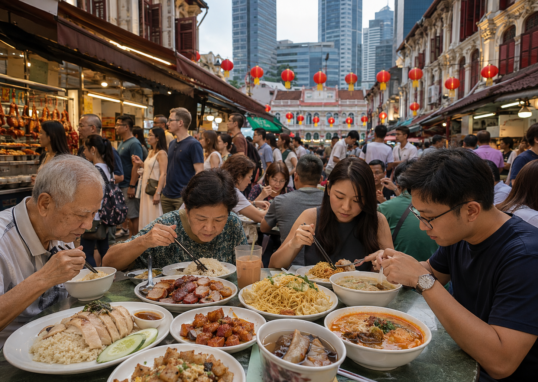
Inside Singapore Chinatown’s 2026 Dining Culture: Iconic Hawker Dishes, Old Recipes, and New Food Trends
- 0
- 645 words
Why Chinatown Remains a Food Landmark In 2026, Chinatown Singapore continues to be one of the clearest places to understand the country...
Read out all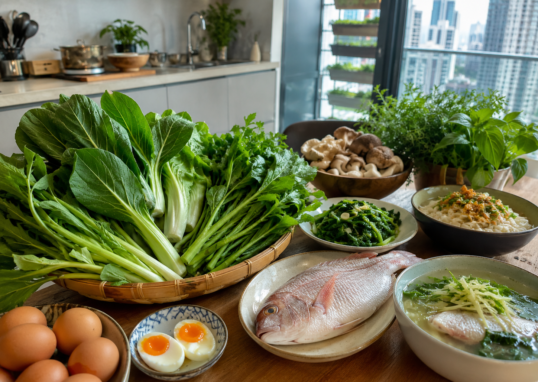
Local Ingredients in Singaporean Cuisine Matter
- 0
- 2,257 words
Singaporean food is famous for its rich mix of Malay, Chinese, Indian, Peranakan, and global influences. From laksa and nasi lemak to...
Read out all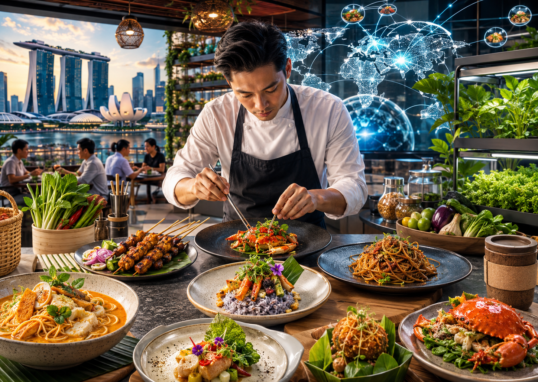
Singapore Cuisine as a Tool of Global Cultural Influence
- 0
- 305 words
Food is one of the most powerful forms of cultural diplomacy, and Singapore has effectively used its cuisine to strengthen its global...
Read out all