- 0
- 352 words
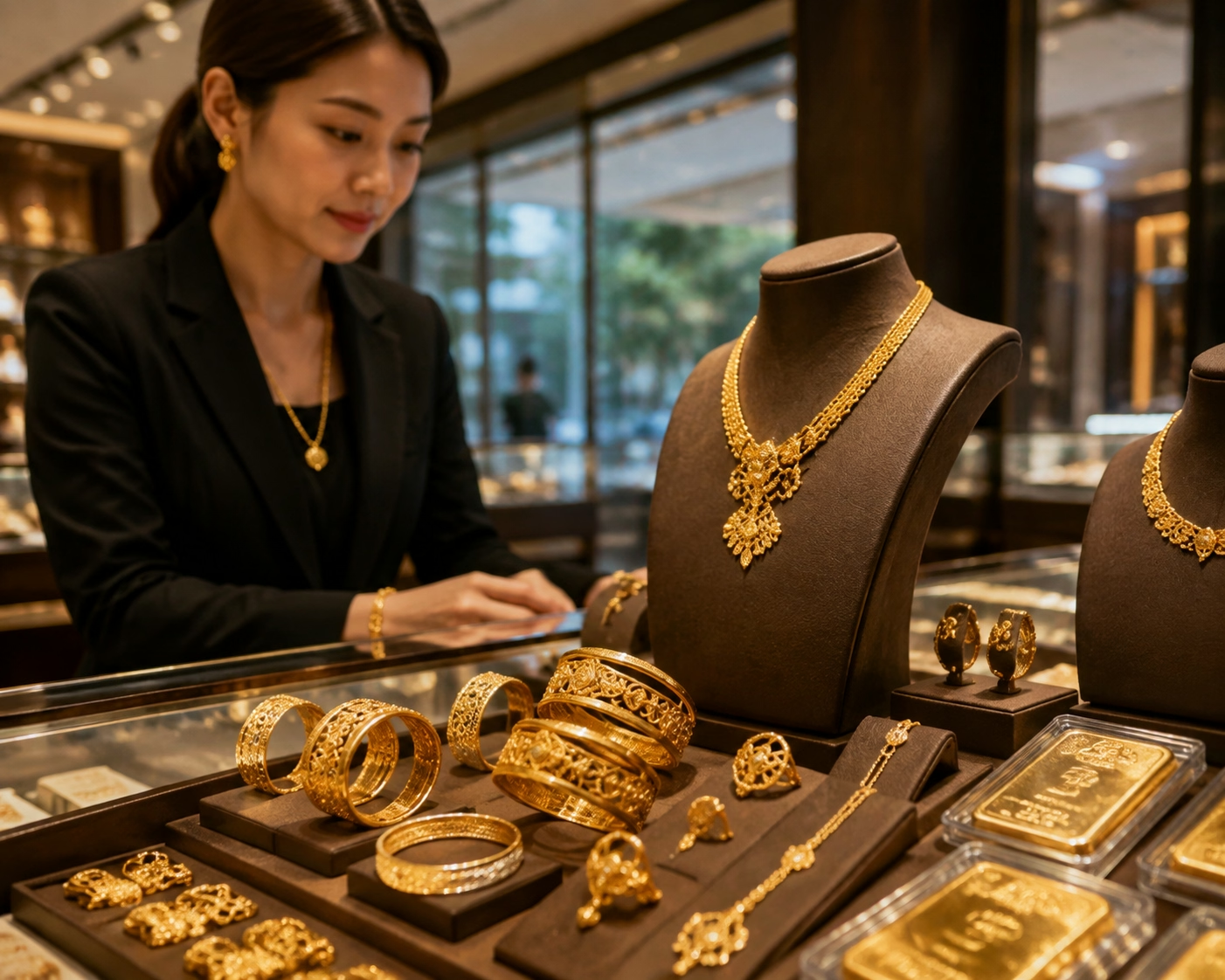
The jewelry counters in Singapore’s luxury malls are witnessing a generational shift in values. While natural diamonds have long been the benchmark for engagement rings and prestige, the rise of lab-grown diamonds (LGDs) is disrupting the status quo. This article investigates how Singaporean consumers are weighing the emotional weight of natural stones against the ethical and economic benefits of LGDs.
The Sustainability Factor
Singapore is positioning itself as a leader in sustainability in Southeast Asia, and this ethos is permeating the luxury sector. Millennials and Gen Z shoppers are increasingly scrutinizing the provenance of their purchases. Lab-grown diamonds, which are chemically and optically identical to mined stones but significantly cheaper, offer a compelling alternative.
High-end boutiques in Marina Bay Sands are now dedicating shelf space to brands that specialize in LGDs. These brands market not just the sparkle, but the story—emphasizing a lower carbon footprint and the absence of mining conflicts. The discussion has moved from “Is it real?” to “Is it responsible?” This shift is forcing traditional houses like Lee Hwa Jewellery to expand their product lines to include lab-created options, acknowledging that the modern consumer is driven by data and ethics as much as by clarity and carat.
The Price Differential and Market Segmentation
The primary driver for the adoption of LGDs in Singapore remains value. For the same budget, a couple can purchase a diamond that is significantly larger or of higher clarity if they opt for a lab-created stone. This has created a distinct market segmentation. Natural diamonds are increasingly reserved for high-net-worth individuals seeking rare pink or blue stones or specific investment-grade pieces. Conversely, LGDs dominate the “affordable luxury” segment, allowing younger professionals to own substantial pieces without debt.
Retailers are reporting that consumers are using savings from LGD purchases to upgrade the setting or allocate funds to other assets like property. The resale market for LGDs remains weak compared to natural stones, a point of contention that sellers must navigate carefully. However, for the average consumer buying for sentiment rather than speculation, the lower entry price is a decisive factor in the current economy.
Author

Clara@gmail.com
Related Posts

How Singapore’s Homegrown Fashion Labels Rebuilt Their Business Around Livestreaming
- 0
- 514 words
From Side Channel to Core Business Model For a growing cohort of Singaporean fashion brands, livestreaming is no longer a supplementary marketing...
Read out all
Localization as Strategy: How Singapore Fashion Brands Speak Asia’s Many Languages
- 0
- 604 words
The End of One-Size-Fits-All Expansion Singapore fashion brands expanding across Asia are discovering that regional success requires more than translated marketing. Love,...
Read out all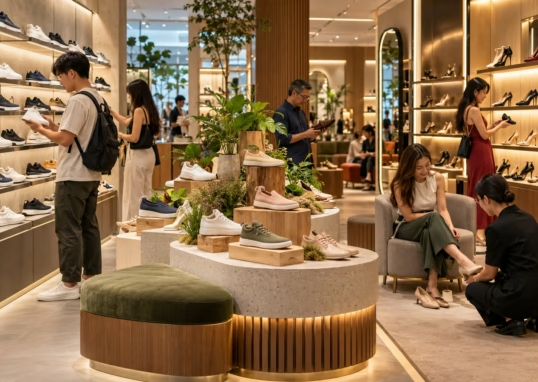
The Comfort Revolution: How Singaporean Footwear Brands Are Redefining Support, Health, and Everyday Wear
- 0
- 658 words
From Pain Point to Product Innovation: The Sunnystep Story Sometimes the most disruptive innovations emerge from the most personal struggles. Mao Ting,...
Read out all
Gen Z vs. Gen X—The Generational Battle Over Singapore’s Office Dress Code
- 0
- 576 words
Two Generations, Two Definitions of Professionalism Walk into any Singapore office in 2026, and you may witness a quiet cultural collision. A...
Read out all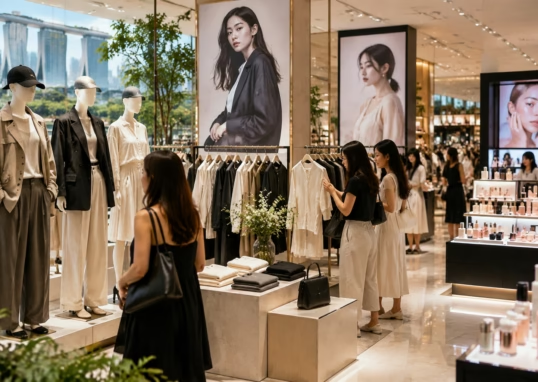
Korean Fashion Brands Are Betting Big on Singapore—and Winning
- 0
- 572 words
The Orchard Road Invasion Nobody Saw Coming When Shinsegae Tomboy opened standalone stores for Studio Tomboy and VOV at the METRO department...
Read out all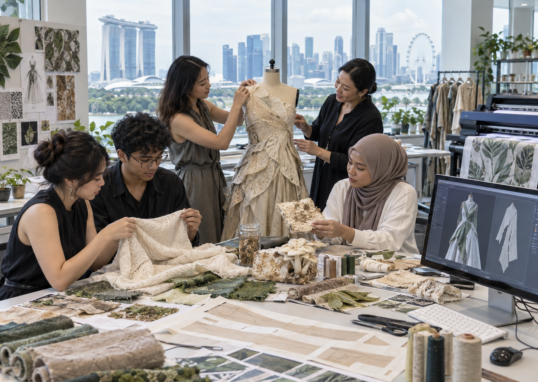
Blending Tradition with Tech: How Singaporean Fashion Schools Are Forging the Ultimate Hybrid Designers in 2026
- 0
- 465 words
The modern fashion designer is expected to be a polymath. They must be an artist, an engineer, a marketer, and increasingly, a...
Read out all